Principal
Yashodeep Institute of B.Pharmacy
It gives me immense pleasure to welcome you to our institution, where academic excellence, innovation, research, and professional ethics are the cornerstones of education.
Our mission is to nurture competent, skilled, and socially responsible pharmacy professionals equipped with scientific knowledge, practical expertise, and ethical values. We strive to provide a student-centric learning environment that promotes critical thinking, creativity, research, and lifelong learning.
With the support of our dedicated faculty, we are committed to quality education, industry collaboration, innovation, and holistic student development. We aim to prepare our students to meet the evolving challenges of the pharmaceutical and healthcare sectors and contribute meaningfully to society.
I encourage all students to dream big, embrace opportunities, and pursue excellence with dedication and integrity.
Together, let us shape a brighter future through knowledge, innovation, and service to society.
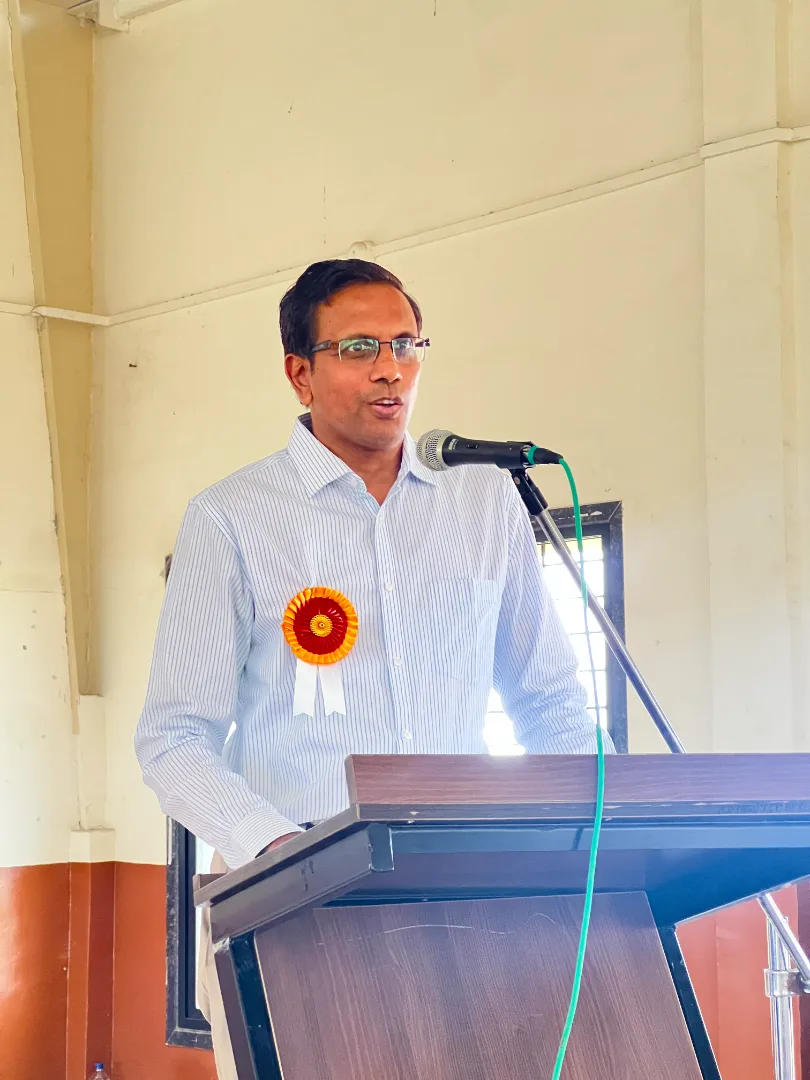
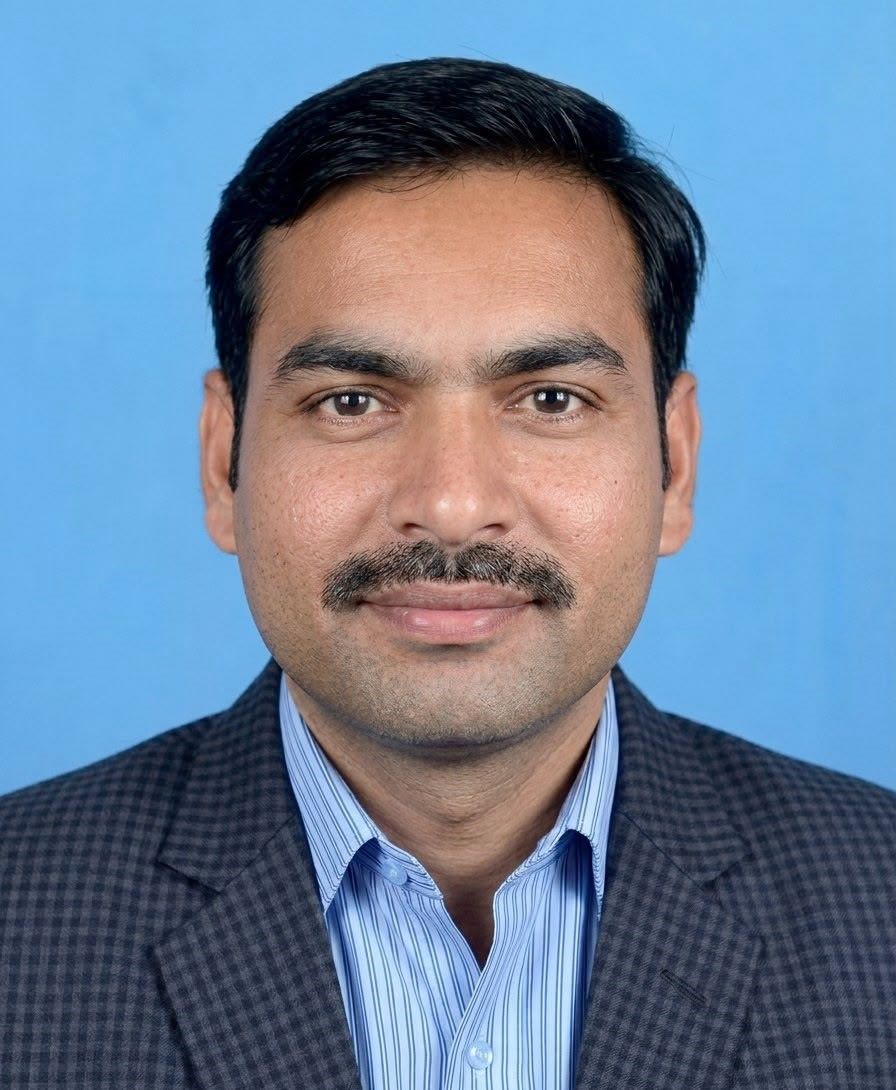
Dr. Ganesh G Tapadiya
Principal - Yashodeep Institute of B.Pharmacy
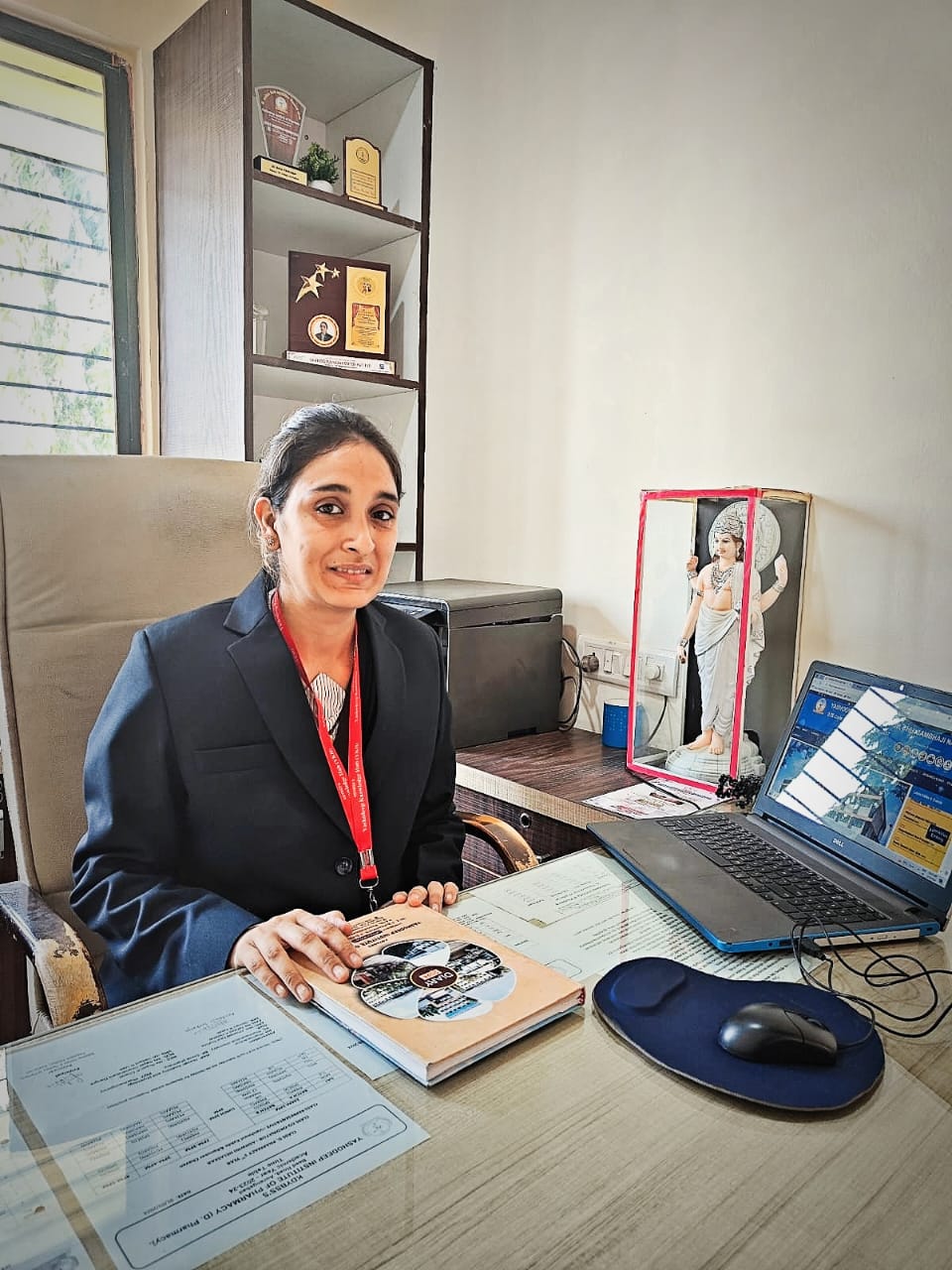
Vice-Principal
Yashodeep Institute of B.Pharmacy
We at Yashodeep Institute of Pharmacy intend to exert as much effort as we can to improve the academic environment in order to fulfill our vision and mission. We believe in giving our students strong values, emotional growth, self-awareness and confidence so that they are able to face the challenges of rapidly changing world.
Seeing the thousands of our students go on to have bright and successful careers that go on to assist society gives us encouragement.
The enlightened Management, well qualified Mentors and adequate Infrastructure that are conducive to learning will help the students to realize and unleash their potential. As an excellent destination for quality education, I extend my best wishes for good fortune, harmony, and prosperity to everyone involved in the admirable endeavor of promoting education and all of its attributes, goals, and aspirations.
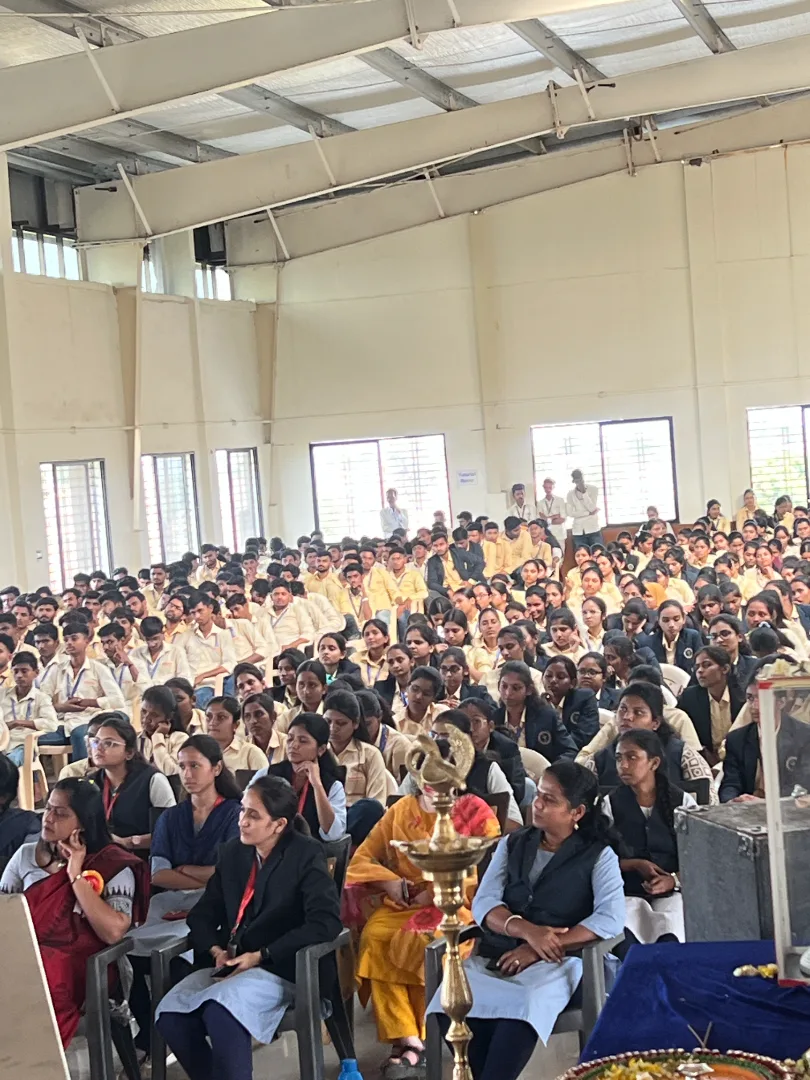
Amanpreet Kaur Dumda Palaya
Vice-Principal - Yashodeep Institute of B.Pharmacy











-01.png)


No timetable documents are available at the moment.
No academic calendar documents are available at the moment.
No syllabus documents are available at the moment.
No examination documents are available at the moment.
No result documents are available at the moment.
| No. | Objective |
|---|---|
| 1 | Core Pharmaceutical Knowledge: Graduates will possess a robust foundation in the basic and applied sciences of pharmacy, including Pharmaceutics, Pharmaceutical Chemistry, Pharmacology, and Pharmacognosy. |
| 2 | Technical and Professional Competence: Graduates will demonstrate high technical skills in the synthesis, formulation, analysis, and testing of drugs and pharmaceuticals in accordance with standard regulatory norms (e.g., pharmacopoeia, GMP, and ISO). |
| 3 | Healthcare and Patient Safety: Graduates will contribute effectively to the healthcare system by promoting safe and effective use of medicines, participating in hospital/community pharmacy services, and prioritizing public health. |
| 4 | Industry and Research Readiness: Graduates will be well-equipped to serve the pharmaceutical industry, pursue higher education, and conduct evidence-based research. |
| 5 | Professionalism and Lifelong Learning: Graduates will exhibit ethical responsibility, strong communication skills, teamwork, and the ability to engage in continuous lifelong learning to adapt to the rapidly evolving pharmaceutical field. |
| PO | Description |
|---|---|
| PO 1 | Pharmacy Knowledge: Possess knowledge and comprehension of the core and basic knowledge associated with the profession of pharmacy, including biomedical sciences; pharmaceutical sciences; behavioural, social, and administrative pharmacy sciences; and manufacturing practices. |
| PO 2 | Planning Ability: Demonstrate effective planning abilities including time management, resource management, delegation skills and organizational skills. Develop and implement plans and organize work to meet deadlines. |
| PO 3 | Problem Analysis: Utilize the principles of scientific enquiry, thinking analytically, clearly and critically, while solving problems and making decisions during daily practice. Find, analyze, evaluate and apply information systematically and shall make defensible decisions. |
| PO 4 | Modern Tools Usage: Learn, select, and apply appropriate methods and procedures, resources, and modern pharmacy-related computing tools with an understanding of the limitations. |
| PO 5 | Leadership Skills: Understand and consider the human reaction to change, motivation issues, leadership and team-building when planning changes required for fulfilment of practice, professional and societal responsibilities. Assume participatory roles as responsible citizens or leadership roles when appropriate to facilitate improvement in health and wellbeing. |
| PO 6 | Professional Identity: Understand, analyze and communicate the value of their professional roles in society (e.g. health care professionals, promoters of health, educators, managers, employers, employees). |
| PO 7 | Pharmaceutical Ethics: Honour personal values and apply ethical principles in professional and social contexts. Demonstrate behaviour that recognizes cultural and personal variability in values, communication and lifestyles. Use ethical frameworks; apply ethical principles while making decisions and take responsibility for the outcomes associated with the decisions. |
| PO 8 | Communication: Communicate effectively with the pharmacy community and with society at large, such as, being able to comprehend and write effective reports, make effective presentations and documentation, and give and receive clear instructions. |
| PO 9 | The Pharmacist and Society: Apply reasoning informed by the contextual knowledge to assess societal, health, safety and legal issues and the consequent responsibilities relevant to the professional pharmacy practice. |
| PO 10 | Environment and Sustainability: Understand the impact of the professional pharmacy solutions in societal and environmental contexts, and demonstrate the knowledge of, and need for sustainable development. |
| PO 11 | Life-Long Learning: Recognize the need for, and have the preparation and ability to engage in independent and life-long learning in the broadest context of technological change. Self-assess and use feedback effectively from others to identify learning needs and to satisfy these needs on an ongoing basis. |
| CO No. | Theory | Practical |
|---|---|---|
| CO1 | Define anatomy & physiology, basic anatomical terminology, describe various homeostatic mechanisms & their imbalances in the human body and identify different tissues and different systems of the human body | Perform various experiments related to identification of the tissues in different systems of human body. |
| CO2 | Demonstrate skin, different types of bones & joints in the human body. | Examine various techniques like blood group determination, blood pressure determination, blood cell counting. |
| CO3 | Explain different body fluids, blood and lymphatic system | Evaluate various experiments related to special senses and nervous system. |
| CO4 | Classify peripheral nervous system, explain structure and functions of special senses. | Practice the determination of heart rate and pulse rate. |
| CO5 | Illustrate the anatomy and physiology of cardiovascular system. | Record blood parameters like hemoglobin, clotting and bleeding time. |
| CO No. | Theory | Practical |
|---|---|---|
| CO1 | Learn scope and principles of volumetric analysis | Determine quality control tests in limiting traces of impurities present in pharmaceuticals by performing limit tests. |
| CO2 | Explain principles and procedures involved in Volumetric titrations like Acid-base and Non-aqueous titrations. | Impart knowledge in preparation and standardization of solutions with different strength. |
| CO3 | Learn classification and how to perform various volumetric titrations like precipitation, non-aqueous, gravimetric and Diazotization titrations. | Perform volumetric analysis such as Acid-base titrations and Cerimetry and Idometry. |
| CO4 | Explain concepts, principle, classification and applications involved in Redox titrations. | Conduct volumetric analysis such as complexometry and permanganometry titrations and precipitation and non-aqueous titration. |
| CO5 | Develop analytical skills to perform Electrochemical analysis | Perform electro-analytical methods. |
| CO No. | Theory | Practical |
|---|---|---|
| CO1 | Explain history of profession of Pharmacy in India & Pharmacopoeia and its development. Learn parts and handling of prescription, posology & dose calculation of drug in children. | Explain the preparation Pharmaceutics Syrups and Elixirs. |
| CO2 | Elaborate different pharmaceutical calculation involved in formulation. Explain basic requirement and formulation of powders and liquid dosage form. | Formulation and applications of Linctus and Solutions. |
| CO3 | Explain basic requirement and formulation of Monophasic and Biphasic liquid dosage forms. | Compounding and usage of Liniments and Suspensions. |
| CO4 | Learn basic requirement, formulation and evaluation of suppositories and types of pharmaceutical incompatibility. | Preparation and stability of suspensions, emulsions, powders and granules. Formulation of suppositories, topical and oral hygienic products. |
| CO5 | Explain the mechanisms of drug penetration transdermal route. Explain the formulation and evaluation of semisolid preparation such as ointment, gel, Pastes, cream etc. | Formulation of suppositories, topical and oral hygienic products. |
| CO No. | Theory | Practical |
|---|---|---|
| CO1 | Know the sources of impurities and methods to determine the impurities present in Inorganic drugs. | Perform quality control tests in limiting traces of impurities present in pharmaceuticals by performing limit tests. |
| CO2 | Learn methods to adjust Isotonicity, Major Physiological ions and Replacement Therapy. | Perform identification inorganic salts through various qualitative tests. |
| CO3 | Explain Medicinal and Pharmaceutical importance of Gastrointestinal agents and antimicrobial agents. | Determine the tests for purity for different compounds as per IP. |
| CO4 | Explain Medicinal and Pharmaceutical importance of Expectorants, Emetics, Haemetinics, Antidotes and Astringents. | Knowledge and skills to prepare inorganic salts - boric acid, potash alum and ferrous sulphate. |
| CO5 | Explain Pharmaceutical importance and applications of Radiopharmaceuticals. | - |
| CO No. | Theory | Practical |
|---|---|---|
| CO1 | Outline the communication skills with respect to process and barriers. | Apply effective communication skill during interaction with others. |
| CO2 | Explain the behavioral needs for a pharmacist to function effectively in the areas of pharmaceutical operations. | Make use of pronunciations during the process of communication. |
| CO3 | Demonstration on basic listening skills and written communications. | Explaining the listening and writing techniques during communication. |
| CO4 | Summarize the interview skills. | Explain about the techniques in written documentation professionally. |
| CO5 | Develop the Pharmacist towards the facing of problems in Group discussion. | - |
| CO No. | Theory | Practical |
|---|---|---|
| CO1 | Define characters of living organisms, explain binomial nomenclature, classify kingdoms of life, and explain the morphology of flowering plants. | Study and explain Microscope, Section cutting, Mounting and staining techniques along with Permanent slide preparation. |
| CO2 | Explain composition of blood, human circulatory system, digestive and respiratory systems in detail. | Study and explain cell, its inclusions, various modifications of Stem, Root, Leaf, seed, fruit, flower. |
| CO3 | Explain excretory system, nervous system and reproductive system, and chemical coordination and regulation of hormones. | Detailed study of frog and computer-based tutorials. |
| CO4 | Illustrate plants and mineral nutrition and mechanism of photosynthesis. | Illustrate microscopic identification of tissues pertinent to Stem, Root Leaf, seed, fruit, flower & bones. |
| CO5 | Explain cell and its organelles, tissues and cell division. Acknowledge the mechanism of plant respiration, plant growth and development. | Determination of blood group, blood pressure & tidal volume. |
| CO No. | Theory | Practical |
|---|---|---|
| CO1 | Explain the theory and solving the problems of Partial fraction, Logarithms and Limits and continuity. | - |
| CO2 | Know the solving of different types of problems by learning and applying theory in Matrices and Determinant. | - |
| CO3 | Develop in solving the problems by learning the theory of Calculus in Pharmacy. | - |
| CO4 | Develop in solving the problems by learning the theory of Analytical Geometry in Pharmacy. | - |
| CO5 | Explain the use of theories in calculating the problems in pharmacy for Differential Equations and Laplace Transform. | - |
| CO No. | Theory | Practical |
|---|---|---|
| CO1 | Explain organization of nervous system & central nervous system. | Identify and examine histological sections of various human tissues, glands, and organs under a compound microscope. |
| CO2 | Explain anatomy of GI tract and energetics. | Demonstrate an understanding of the nervous, sensory, cardiovascular, and digestive systems using models, anatomical charts, and preserved specimens. |
| CO3 | Explain anatomy of respiratory & urinary system. | Perform basic haematological and physiological experiments, such as recording blood pressure, measuring pulse rate, and determining blood groups. |
| CO4 | Classify hormones, explain mechanism of action and structure and functions of various glands. | Evaluate and interpret diagnostic parameters (like heart rates, lung volumes, and blood counts) to understand systemic homeostasis and disease processes. |
| CO5 | Explain male and female reproductive system, hormones and genetics. | - |
| CO No. | Theory | Practical |
|---|---|---|
| CO1 | Apply the principles of organic chemistry for the classification, nomenclature, structure, and isomerism of organic compounds. | Analyze unknown organic compounds and functional groups using standard qualitative tests. |
| CO2 | Explaining of important physical properties, reactions (and underlying mechanisms) and methods of preparation of various functional groups. | Determine critical physical properties—such as melting and boiling points—to verify compound purity. |
| CO3 | Analyze and write the reactions and uses of various organic compounds. | Safely synthesize, purify, and prepare solid derivatives of medicinal or organic compounds. |
| CO4 | Discuss the orientation, reactivity, and stability of organic compounds. | Demonstrate safe handling of laboratory glassware, reagents, and instruments required for pharmaceutical experimentation. |
| CO5 | Identify and confirm the organic compounds by qualitative tests. | Construct and understand the three-dimensional molecular models and isomerism of organic structures. |
| CO No. | Theory | Practical |
|---|---|---|
| CO1 | Discuss about the bio molecules gives knowledge on bio chemical organization of living organisms along with their role. | Perform qualitative and quantitative analysis of carbohydrates and proteins using standard laboratory methods. |
| CO2 | Explain the catalytic role of enzymes, importance of enzyme inhibition in the design of new drug. | Determine factors like temperature, substrate concentration, and pH that affect the activity of enzymes (e.g., salivary amylase). |
| CO3 | Study of enzymes and isoenzymes emphasizes their role in therapeutic and diagnostic applications. | Measure and analyze critical biochemical parameters in blood and serum (e.g., cholesterol, blood sugar, creatinine). |
| CO4 | Study on metabolic pathways of bio molecules helps the students to acquire knowledge on various energy metabolisms that occur in living organisms. | Analyze and identify physiological and pathological constituents in urine samples. |
| CO5 | Explaining the concepts of DNA, RNA, Protein and mutations gives wide knowledge to the student community to face the future challenges in health care sector. | Prepare standard buffer solutions, measure pH, and effectively operate various instruments used in biochemical testing. |
| CO No. | Theory | Practical |
|---|---|---|
| CO1 | Study the various etiological factors for the development of diseases including cell injury and adaptation, mechanism involved in process of inflammation and repair. | - |
| CO2 | Explain the concepts of pathophysiological basis of selected diseases related to cardiovascular, respiratory and renal systems. | - |
| CO3 | Learn the basics of signs and symptoms of Diseases such as hematological, endocrine, nervous and gastrointestinal system. | - |
| CO4 | Study of common complications of the diseases. | - |
| CO5 | Explain infectious and sexually transmitted diseases. | - |
| CO No. | Theory | Practical |
|---|---|---|
| CO1 | Explaining various number system in computers. | Use word processing packages to build forms for gathering disease-specific information. |
| CO2 | Explain the web technologies with respect to Pharmacy Drug Database. | Successfully utilize online databases to search for medications and their adverse effects. |
| CO3 | Outline the applications of computers in Pharmacy. | Build and manage patient databases, queries, and invoice tables using MS Access. |
| CO4 | Summarize the Bioinformatic techniques in development of Pharmacy. | Design basic HTML web pages to showcase personal information and export reports. |
| CO5 | Make use of computers as data analysis in Preclinical development. | Prepare mailing labels, newsletters, and perform label generation using MS Word. |
| CO No. | Theory | Practical |
|---|---|---|
| CO1 | Create widespread awareness regarding environmental issues and possess foundational knowledge of the environment and its associated problems. | - |
| CO2 | Understand the structure and function of various ecosystems, food chains, food webs, and ecological pyramids. | - |
| CO3 | Identify natural sources, both renewable and non-renewable, and understand the role of individuals in their conservation to save the environment. | - |
| CO4 | Comprehend the causes, effects, and control measures for various types of environmental pollution (such as air, water, and soil). | - |
| CO5 | Develop a positive attitude of concern for the environment and actively participate in environmental protection, improvement, and the pursuit of harmony with nature. | - |
| CO No. | Theory | Practical |
|---|---|---|
| CO1 | Explain the principles, mechanisms, and orientation of electrophilic aromatic substitution reactions, and apply Huckel's rule to determine the aromatic character of benzene and related | Apply the basic knowledge of organic chemistry in the identification of functional groups and synthesis of organic compounds. |
| CO2 | Recall and analyze the effects of various substituents on the acidity of carboxylic acids (e.g., benzoic acid derivatives) and the basicity of amines. | Analyze and predict the principles of chemical reactions. |
| CO3 | Describe the chemical composition of fats and oils, and identify analytical constants (like acid value, saponification value, and iodine value) along with their pharmaceutical significance. | Analyze and interpret the mechanism of chemical reactions. |
| CO4 | Discuss the synthesis, structure, and medicinal applications of polynuclear aromatic hydrocarbons such as Naphthalene, Anthracene, and Phenanthrene. | Apply the concept of moles in calculating theoretical yield. |
| CO5 | State the stability of various cycloalkanes and explain the mechanisms behind their relevant reactions. | Calculate and estimate the percentage purity of the compounds synthesized. |
| CO No. | Theory | Practical |
|---|---|---|
| CO1 | Understand how fundamental properties (e.g., solubility, partition coefficient, surface tension, and states of matter) dictate drug action and inform the formulation of robust dosage forms. | Determine the solubility of poorly soluble drugs, understand the effect of temperature and co-solvents, and evaluate the partition coefficient of drugs between aqueous and organic phases. |
| CO2 | Interpret principles at interfaces, including surface-active agents (surfactants), HLB scale, detergency, adsorption mechanisms, and solubilization. | Calculate the pKa value of various pharmaceutical compounds using analytical methods such as half-neutralization or Henderson-Hasselbalch equations. |
| CO3 | Analyze how complexes are formed, measured, and used in pharmaceutical practices, as well as how protein binding affects the delivery and efficacy of active drugs. | Measure the surface tension of liquids, determine the Critical Micelle Concentration (CMC) of surfactants, and calculate the Hydrophilic-Lipophilic Balance (HLB) number. |
| CO4 | Determine the pH of pharmaceutical/biological systems, calculate buffer capacity, and prepare buffered isotonic solutions to ensure safety and patient comfort upon administration. | Determine the stability constants and complexation ratios of pharmaceutical complexes (e.g., via pH titration or solubility methods). |
| CO5 | Explain states of matter, phase equilibria, and changes in states (such as polymorphism and amorphous states), applying these concepts directly to pharmaceutical manufacturing and drug stability. | Evaluate the viscosity of various polymer and liquid formulations using instruments like the Ostwald viscometer. |
| CO No. | Theory | Practical |
|---|---|---|
| CO1 | Classify structural features and reproduction methods of various microbes (bacteria, fungi, and viruses). | Safely operate and handle microscopes, autoclaves, laminar flow hoods, and B.O.D incubators. |
| CO2 | Describe the mechanisms, procedures, and efficiency of physical, chemical, and radiation sterilization techniques. | Demonstrate skills in the preparation and sterilization of culture media, and the subculturing of bacteria and fungi. |
| CO3 | Explain the design of aseptic areas, laminar flow equipment, and cleanroom classifications. | Apply staining methods (Simple, Gram's, and Acid-fast) to observe and differentiate bacterial morphology. |
| CO4 | Understand the principles behind the microbiological assay of antibiotics, vitamins, and amino acids. | Isolate pure microbial cultures utilizing techniques like the multiple streak plate method. |
| CO5 | Grasp the basics of animal cell culture technology and its applications in the pharmaceutical industry. | Perform sterility testing of pharmaceuticals, microbiological assays of antibiotics, and bacteriological analysis of water. |
| CO No. | Theory | Practical |
|---|---|---|
| CO1 | Explain the theoretical principles and working mechanisms of industrial processes like filtration, drying, evaporation, and distillation. | Measure and analyze the effects of various factors (e.g., surface area, temperature, and viscosity) on operational rates such as filtration and evaporation. |
| CO2 | Describe the operation, construction, and applications of major machinery (e.g., fluid energy mills, mixers, and centrifuges) used to prepare formulations. | Calculate percentage moisture content and loss on drying (LOD) using hot air ovens to evaluate raw materials and final products. |
| CO3 | Understand the properties of fluids and evaluate material selection to prevent equipment corrosion and ensure safe plant layout designs. | Construct drying curves, calculate heat transfer coefficients, and verify size reduction laws using equipment like ball mills and sieves. |
| CO No. | Theory | Practical |
|---|---|---|
| CO1 | To apply the concepts of stereochemistry in identifying the chiral and achiral molecules, Racemic modification, and Resolution of Racemic mixture. | - |
| CO2 | To determine the nomenclature and configuration of stereoisomer and Conformational isomerism of saturated compounds and Stereoisomerism in biphenyl compounds. | - |
| CO3 | To interpret the nomenclature and classification of heterocyclic compounds, methods of preparation, and uses. | - |
| CO4 | Synthesis, reactions of heterocyclic compounds and compare the reactivity and properties of heterocyclic compounds with their uses. | - |
| CO5 | Outline and discuss the reaction with its mechanism and Applications of Named reactions and Reagents. | - |
| CO No. | Theory | Practical |
|---|---|---|
| CO1 | Explain the history, development, and classification of various medicinal compounds. | Students gain the ability to synthesize, recrystallize, and calculate the percentage yield of key organic drugs and chemical intermediates. |
| CO2 | Discuss the SAR of different classes of agents and how chemical modifications alter pharmacological potency. | Students master titrimetric techniques to perform the assay of official medicinal compounds, enabling them to calculate normality, molarity, and percentage purity. |
| CO3 | Understand receptor interactions and the biochemical mechanisms by which medicinal compounds produce their therapeutic effects. | Students learn to determine fundamental properties such as the partition coefficient, which is critical for understanding drug absorption and drug action. |
| CO4 | Outline and write the chemical synthesis pathways for key Active Pharmaceutical Ingredients (APIs). | Students acquire practical skills in the preparation and standardization of analytical solutions, as well as the purification of crude organic products. |
| CO5 | Recognize the therapeutic uses, adverse effects, and recent developments related to specific drug classes. | - |
| CO No. | Theory | Practical |
|---|---|---|
| CO1 | Understand the properties of colloidal dispersions to optimize drug delivery and formulation stability. | Determine particle size, particle size distribution (using sieving/microscopy), bulk/true density, porosity, and the angle of repose to evaluate powder flow. |
| CO2 | Differentiate between Newtonian and non-Newtonian flow behaviors to properly measure and control fluid viscosity. | Measure the viscosity of liquids and semisolids using various viscometers, determine the surface tension of liquids, and calculate the HLB value of surfactants. |
| CO3 | Measure fundamental particle properties and powder flow to ensure uniform tablet and capsule manufacturing. | Formulate pharmaceutical suspensions and emulsions, analyzing their physical stability, sedimentation volume, and degree of flocculation. |
| CO4 | Apply interfacial principles to prevent formulation failures like creaming in emulsions or caking in suspensions. | Calculate the order of reaction, reaction rate constants, and perform accelerated stability studies to predict the shelf life of drug products. |
| CO5 | Use chemical kinetics and accelerated stability testing to calculate drug degradation rates and expiration dates. | Determine the partition coefficient of drugs to understand drug lipophilicity and membrane permeability. |
| CO No. | Theory | Practical |
|---|---|---|
| CO1 | Understand the nature, sources of drugs, routes of drug administration, and the core concepts of pharmacokinetics (absorption, distribution, metabolism, excretion) and pharmacodynamics (drug-receptor interactions and dose-response relationships). | Study and manage common laboratory animals according to CPCSEA guidelines and select appropriate routes of drug administration. |
| CO2 | Explain the organization of the ANS, neurohumoral transmission, and the pharmacological actions of drugs that mimic or block the sympathetic and parasympathetic systems. | Gain hands-on familiarity with physiological instruments and basic laboratory techniques like blood withdrawal and anesthesia. |
| CO3 | Describe the pharmacological profile and mechanisms of action of agents used for specific conditions, such as local anesthetics, drugs for glaucoma, and skeletal muscle relaxants. | Perform standard experiments to observe drug effects, such as the impact of enzyme inducers on phenobarbitone sleeping time in mice. |
| CO4 | Identify the stages of the new drug discovery process, preclinical/clinical evaluations, and the fundamentals of pharmacovigilance and adverse drug reactions. | - |
| CO No. | Theory | Practical |
|---|---|---|
| CO1 | Explain the history, scope, and development of pharmacognosy, alongside the conservation and quality control of medicinal plants. | Analyze unorganized crude drugs (e.g., acacia, tragacanth, honey) and organized drugs through morphological, organoleptic, and specific chemical tests. |
| CO2 | Detail the techniques involved in the cultivation, collection, and processing of crude drugs, as well as the evaluation methods used to verify their purity. | Calculate critical leaf constants and cellular measurements (e.g., stomatal number, stomatal index, palisade ratio, vein-islet number) using an eyepiece micrometer and camera lucida. |
| CO3 | Outline the principles and applications of plant tissue culture and have a basic understanding of edible vaccines. | Determine quality control parameters like ash values, extractive values, moisture content, and swelling/foaming indices to ensure compliance with pharmacopeial guidelines. |
| CO4 | Describe the morphology and anatomy of various plant parts (roots, stems, leaves, seeds, etc.). | Proficiently operate microscopes and utilize the Lycopodium spore method for accurate starch grain counting and quantitative analysis. |
| CO5 | Classify and study the chemistry, isolation, and commercial utility of primary metabolites found in plant sources. | - |
| CO No. | Theory | Practical |
|---|---|---|
| CO1 | To relate the physicochemical properties of drugs to their pharmacological action. | - |
| CO2 | To solve the nomenclature of different categories of drugs by analyzing the chemical structure to classify different categories of drugs and to appraise their medicinal and pharmaceutical applications. | - |
| CO3 | To find the mechanism of action, metabolic pathways, adverse effects, and therapeutic value of different classes of drugs. | - |
| CO4 | To determine the Structure-Activity Relationship (SAR) of different classes of drugs. | - |
| CO5 | To synthesize different classes of drugs. | - |
| CO No. | Theory | Practical |
|---|---|---|
| CO1 | Assess the physicochemical properties of drugs and identify how factors like particle size, solubility, and polymorphism impact drug stability and dosage form development. | Perform experiments measuring the physicochemical and flow parameters of raw drug powders. |
| CO2 | Describe the formulation, manufacturing techniques, coating processes, and machinery considerations for tablets and capsules. Troubleshoot and provide remedies for processing/manufacturing defects. | Hands-on formulation of solid dosage forms (e.g., uncoated/coated tablets, capsules) and liquid orals (e.g., suspensions, eye drops). |
| CO3 | Understand the formulation and manufacturing aspects of liquid orals (syrups, elixirs, suspensions, emulsions) and topical products. | Perform official and unofficial QC tests (dissolution, disintegration, friability, weight variation) on manufactured and marketed tablets and capsules according to the Indian Pharmacopoeia (IP). |
| CO4 | Describe the preparation methods, formulation, and quality control tests for parenterals and ophthalmic sterile products. | Evaluate packaging materials—such as testing glass containers for hydrolytic resistance—and formulate cosmetic products like cold creams. |
| CO No. | Theory | Practical |
|---|---|---|
| CO1 | Detail the mechanisms, classifications, and therapeutic relevance of drugs for congestive heart failure, hypertension, angina, and arrhythmias. | Demonstrate an understanding of isolated organ preparations (e.g., rabbit jejunum, guinea pig ileum) using simulation software to study drug responses. |
| CO2 | Explain the pharmacology of diuretics, anti-diuretics, and hematinics/coagulants. | Determine the effects of spasmogens, spasmolytics, and antagonists on tissue. |
| CO3 | Describe the physiology and pharmacological management of autacoids (e.g., histamine, serotonin, prostaglandins) and Non-Steroidal Anti-Inflammatory Drugs (NSAIDs). | Perform experiments to observe analgesic, anti-inflammatory, or anti-allergic activity using standard laboratory animal models. |
| CO4 | Relate the mechanisms of drugs acting on the anterior pituitary, thyroid, parathyroid, pancreas (antidiabetic drugs), and reproductive system. | Calculate drug potencies using matching, graphical, or bracketing methods. |
| CO5 | State and understand the basic principles, types, and importance of bioassays in evaluating drug potency. | Analyze clinical case studies, calculate drug dosages, and understand the rationale behind drug usage. |
| CO No. | Theory | Practical |
|---|---|---|
| CO1 | Know & explain the basic metabolic pathways and formation of various secondary metabolites, and comprehend utilization of radioactive isotopes in the investigation of biogenetic studies. | Analyze the morphology, histology & powder characteristics of crude drugs for extraction and detection. |
| CO2 | Explain the source, chemistry, therapeutic uses & commercial applications of various secondary metabolites containing drugs. | Apply the techniques & tests for the isolation & identification of active principles. |
| CO3 | Learn isolation, identification and analysis of various phytoconstituents. | Explain the separation techniques of sugars and herbal extract by paper and thin layer chromatography. |
| CO4 | Discuss the method for industrial production, estimation and utilization of few therapeutically important phytoconstituents. | Know the separation and detection techniques of volatile oils. |
| CO5 | Explain the basic techniques like spectroscopy, chromatography & electrophoresis in the isolation, purification, & identification of crude drugs. | Distinguish the unorganized crude drugs by various chemical tests. |
| CO No. | Theory | Practical |
|---|---|---|
| CO1 | Explain the importance of code of pharmaceutical ethics and process of import, manufacture and licensing of drugs. | - |
| CO2 | Detailed study of the provisions of acts pertaining to drugs and cosmetics. | - |
| CO3 | Summarize about pharmacy act, medicinal and toilet preparations act and narcotic drugs and psychotropic substance act. | - |
| CO4 | Demonstrate the drugs and magic remedies act, cruelty to animals act and national pharmaceutical pricing authority. | - |
| CO5 | Study of pharmaceutical legislations and code of ethics during the pharmaceutical practice. | - |
| CO No. | Theory | Practical |
|---|---|---|
| CO1 | Describe the chemistry of drugs with respect to their pharmacological activity. | Experiment with chemicals to prepare drugs and Intermediates. |
| CO2 | Discuss the drug metabolic pathways, adverse effects, and therapeutic value of drugs. | Estimate the percentage purity of the compounds by performing different types of assay techniques. |
| CO3 | Examine the chemical synthesis of various drugs. | Prepare medicinally important compounds or intermediates by Microwave synthesis. |
| CO4 | Explain the structural activity relationship of different classes of drugs. | Design the structures and reactions using Chem Draw. |
| CO5 | Study various approaches used in drug design. Explain the physicochemical parameters used in QSAR, docking techniques, and concept & applications of combinatorial chemistry. | Explain and calculate the physiochemical properties of drug molecules using drug design software Drug likeliness screening (Lipinskies RO5). |
| CO No. | Theory | Practical |
|---|---|---|
| CO1 | Explain the mechanism of drug action and its relevance in the pharmacological treatment of infectious diseases of respiratory and gastrointestinal system. | Study on different dose calculations in pharmacological experiments. |
| CO2 | Explain the significance of chemotherapeutic agents and study of chemotherapy of drugs acting on folic acid metabolism, cell wall synthesis and protein synthesis. | Demonstration of various activities, test and effect on different models of experiments. |
| CO3 | Study in detail about the chemotherapy of drugs acting on tuberculosis, leprosy, fungal, viral, helminthiasis, malaria and amoebic infections. | Demonstration of acute corrosion activity of test substances over skin and eye. |
| CO4 | Demonstrate the chemotherapy of UTI, STD and cancer and drugs acting on immune system. | Explain the calculations of pharmacokinetic parameters. |
| CO5 | Explain about toxicological studies and chronopharmacology. | Explain Biostatistical methods in experimental pharmacology. |
| CO No. | Theory | Practical |
|---|---|---|
| CO1 | Explain raw materials as source of herbal drugs from cultivation to herbal drug product and to know biodynamic agriculture and to explain basic principles, preparation and standardization of various formulations of Indian systems of medicine. | Evaluate the preliminary qualitative screening of crude drugs and excipients of natural sources. |
| CO2 | Utilize the plants of neutraceuticals in ailments and also explain herb-food and herb-drug interaction of various plant drugs. | Determine the alcohol content of ayurvedic preparation and aldehyde content, phenol content and determination of total alkaloid content. |
| CO3 | Identify the natural origin drugs as raw materials for preparation of cosmetics, excipients, conventional herbal formulations & novel dosage formulations like phytosomes. | Know the formulation and evaluation techniques of herbal creams, lotions & shampoos. |
| CO4 | Explain the stability testing of herbal drugs as per WHO & ICH guidelines for evaluation of herbal drugs & patenting of natural products. | Apply the preparation and standardization process of herbal syrup, mixtures and tablets. |
| CO5 | Know present and future scope of herbal industry & good manufacturing practices of Indian system of medicine. | Analyze the monograph of herbal drugs from recent pharmacopoeia. |
| CO No. | Theory | Practical |
|---|---|---|
| CO1 | Broader Explaining the concepts of ADME of drug in human body. | - |
| CO2 | Learn the measurement of bioavailability and development of BA-BE study protocol for the new drug molecule. | - |
| CO3 | Determine the various pharmacokinetic parameters from either plasma concentration or urinary excretion data for drug. | - |
| CO4 | Design dosage regimens for patients based on calculated pharmacokinetic parameters and ability to calculate loading and maintenance doses. | - |
| CO5 | Learn the concept of non-linear pharmacokinetics and michaelis-menten equation and calculate the pharmacokinetic parameters. | - |
| CO No. | Theory | Practical |
|---|---|---|
| CO1 | Define basic concepts & applications of enzyme biotechnology, protein & genetic engineering, & explain use of microbes in industry. | - |
| CO2 | Explain & apply recombinant DNA technology & PCR. | - |
| CO3 | Utilize the knowledge of immunity and blood products. | - |
| CO4 | Examine immune blotting techniques & genetic organization & types of mutants. | - |
| CO5 | Study of microorganisms in fermentation techniques. | - |
| CO No. | Theory | Practical |
|---|---|---|
| CO1 | Explain Regulatory aspects and certification involved in Regulatory bodies like ICH, ISO and GMP & cGMP aspects in Pharmaceutical Industry. | - |
| CO2 | Gain knowledge on Organization, Personnel, Premises, Equipment and raw materials in Pharmaceutical Industry. | - |
| CO3 | Remember QC tests for containers, Closures and packaging and Good Laboratory Practices. | - |
| CO4 | Appreciate the importance of documentation and handling of Complaints. | - |
| CO5 | Know Calibration, Qualification, Validation of Different analytical Instruments and Ware housing Practices. | - |
| CO No. | Theory | Practical |
|---|---|---|
| CO1 | Explain interaction of matter with UV-Visible light, instrumentation in UV and Fluorimetry and their applications in drug analysis. | Explain the concept of absorbance maxima and their effect on organic compounds. |
| CO2 | Explain fundamentals, principles, instrumentation, Interferences and applications of IR, Flame Photometry, AAS and Nephelometry. | Estimate the number of drugs present in the pharmaceutical products using colorimetric, UV visible and Fluorometric principles. |
| CO3 | Learn principle, methodology, various techniques and applications of CC, PC, TLC and Electrophoresis. | Determine the ions through flame photometry and nephelo turbidometry methods. |
| CO4 | Describe Chromatographic separation and analysis of drugs by GC and HPLC. | Separate and evaluate the natural products using paper, thin layer chromatography and column chromatography techniques. |
| CO5 | Know theory involved, instrumentation and applications of Ion exchange, Gel and Affinity chromatographic techniques. | Demonstration on HPLC and gas chromatography techniques. |
| CO No. | Theory | Practical |
|---|---|---|
| CO1 | Know the process of pilot plant and scale up of pharmaceutical dosage forms. | - |
| CO2 | Explain the process of technology transfer from lab scale to commercial batch. | - |
| CO3 | Know different Laws and Acts that regulate pharmaceutical industry. | - |
| CO4 | Describes the role of Quality Management in Pharmaceutical industry. | - |
| CO5 | Explain the organization and responsibilities of national and state licensing authority. | - |
| CO No. | Theory | Practical |
|---|---|---|
| CO1 | Explain the organization of hospital pharmacy, drug distribution methods, and identification of drug-related problems. | - |
| CO2 | Monitor patient drug therapy through medication chart reviews and clinical evaluations. | - |
| CO3 | Interpret laboratory results to use as monitoring parameters for specific disease states. | - |
| CO4 | Provide pharmaceutical care services and patient counseling in community pharmacies to enhance patient quality of life. | - |
| CO5 | Explain hospital formulary management and inventory control. | - |
| CO No. | Theory | Practical |
|---|---|---|
| CO1 | Explain the principles and technology used in the design of controlled release drug delivery systems and criteria for selection of a drugs and polymers for the development of Novel drug delivery systems. | - |
| CO2 | Learn the various approaches for development of novel drug delivery systems. | - |
| CO3 | Explain the formulation and evaluation of transdermal drug delivery systems, Approaches and formulations for gastroretentive and nasopulmonary drug delivery systems. | - |
| CO4 | Discuss various approaches for the development of targeted drug Delivery systems. | - |
| CO5 | Explain development of ocular formulations and intra uterine devices (IUDs) and its applications. | - |
| CO No. | Theory | Practical |
|---|---|---|
| CO1 | Explain the introduction, measures of central tendency and dispersion and Correlation in Biostatistics. | - |
| CO2 | To gain the knowledge and explaining the concept of statistical theories of Regression, Probability and Parametric test in evaluation of Research. | - |
| CO3 | Gain the knowledge of Non parametric test in evaluation of Research and study about the graphs and design and methodology. | - |
| CO4 | Know the utilization of statistical softwares to industrial and clinical trial approach. | - |
| CO5 | Explain and gain the knowledge in design and analysis of experiments in Research. | - |
| CO No. | Theory | Practical |
|---|---|---|
| CO1 | Recognize the concepts and evaluation of public health. | - |
| CO2 | Explain the principles on the prevention and control of communicable and noncommunicable diseases. | - |
| CO3 | Identify National health programs, its objectives, functioning and outcomes. | - |
| CO4 | Explaining of National health intervention programs. | - |
| CO5 | Recognize the community services in rural, urban and school health. | - |
| CO No. | Theory | Practical |
|---|---|---|
| CO1 | Analyze the pharmaceutical marketing environment, competitive landscapes, and consumer (physician/patient) buying behaviors. | - |
| CO2 | Make informed decisions regarding product branding, positioning, packaging, and the Product Life Cycle (PLC) within the healthcare industry. | - |
| CO3 | Formulate promotional budgets and select appropriate communication methods, including personal selling (Medical Representatives) and digital marketing for OTC products. | - |
| CO4 | Select, manage, and optimize supply chains and marketing channels specific to pharmaceutical physical distribution management. | - |
| CO5 | Determine pharmaceutical pricing methods and navigate regulatory price management controls like the Drug Price Control Order (DPCO). | - |
| CO No. | Theory | Practical |
|---|---|---|
| CO1 | Define pharmacovigilance, its history, development, and the importance of medicine safety monitoring, including WHO and PvPI programs. | - |
| CO2 | Describe and classify adverse drug reactions (ADRs) and explain methods for their detection, reporting, causality assessment, and management. | - |
| CO3 | Explain drug and disease classification, drug dictionaries, and coding systems such as MedDRA and WHO drug dictionaries. | - |
| CO4 | Develop and manage pharmacovigilance programs in hospitals, industry, CROs, and nationally, using relevant drug information resources. | - |
| CO5 | Explain ICH guidelines for pharmacovigilance, including expedited reporting, safety reports, and pharmacovigilance planning, and compare Indian and global regulatory requirements. | - |
Open the approval document for B.Pharmacy.

Open the approval document for B.Pharmacy.

Open the approval document for B.Pharmacy.
Open the approval document for B.Pharmacy.

Open the approval document for B.Pharmacy.

Priyanka S. Borde
B pharmacy
Lab Technician
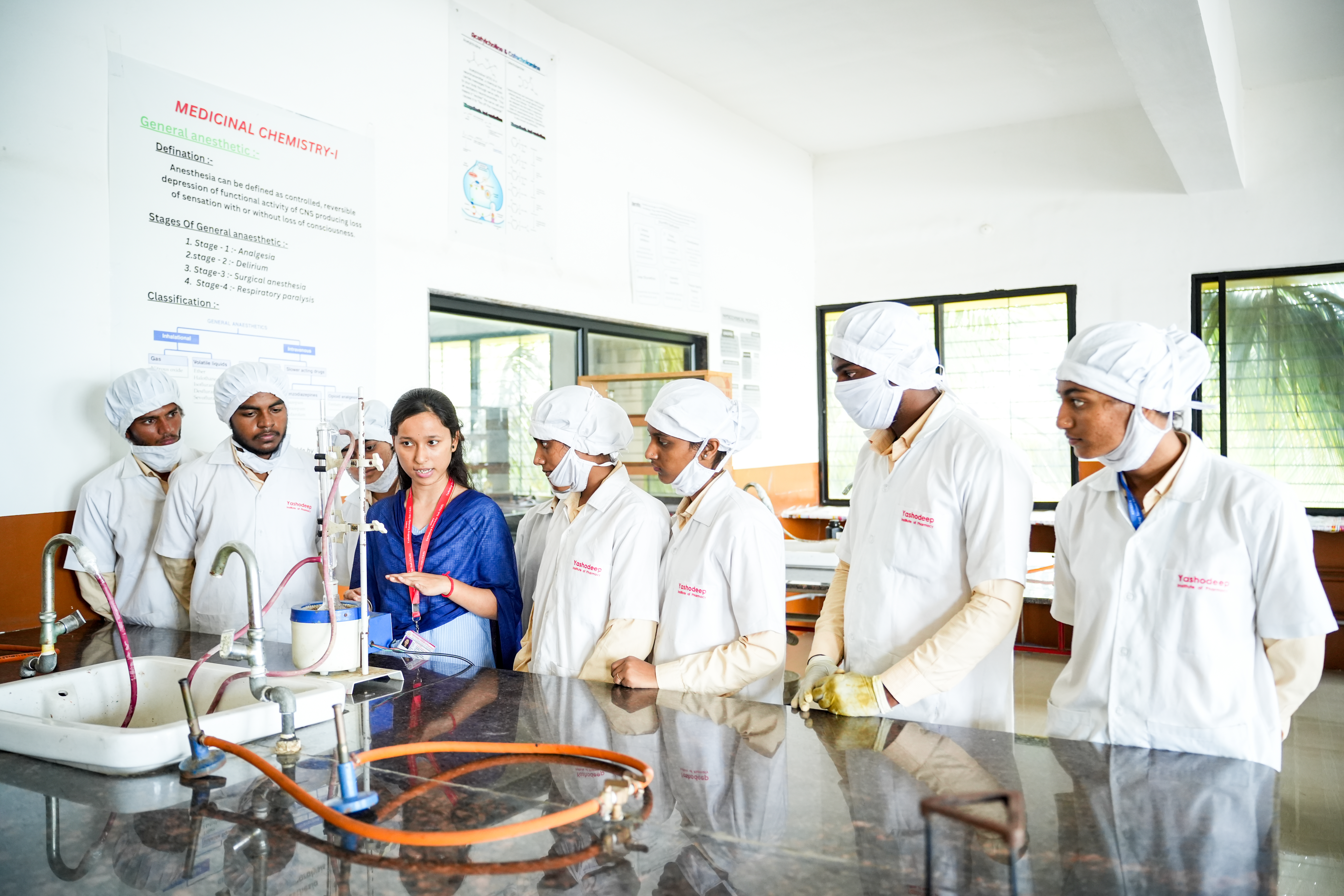
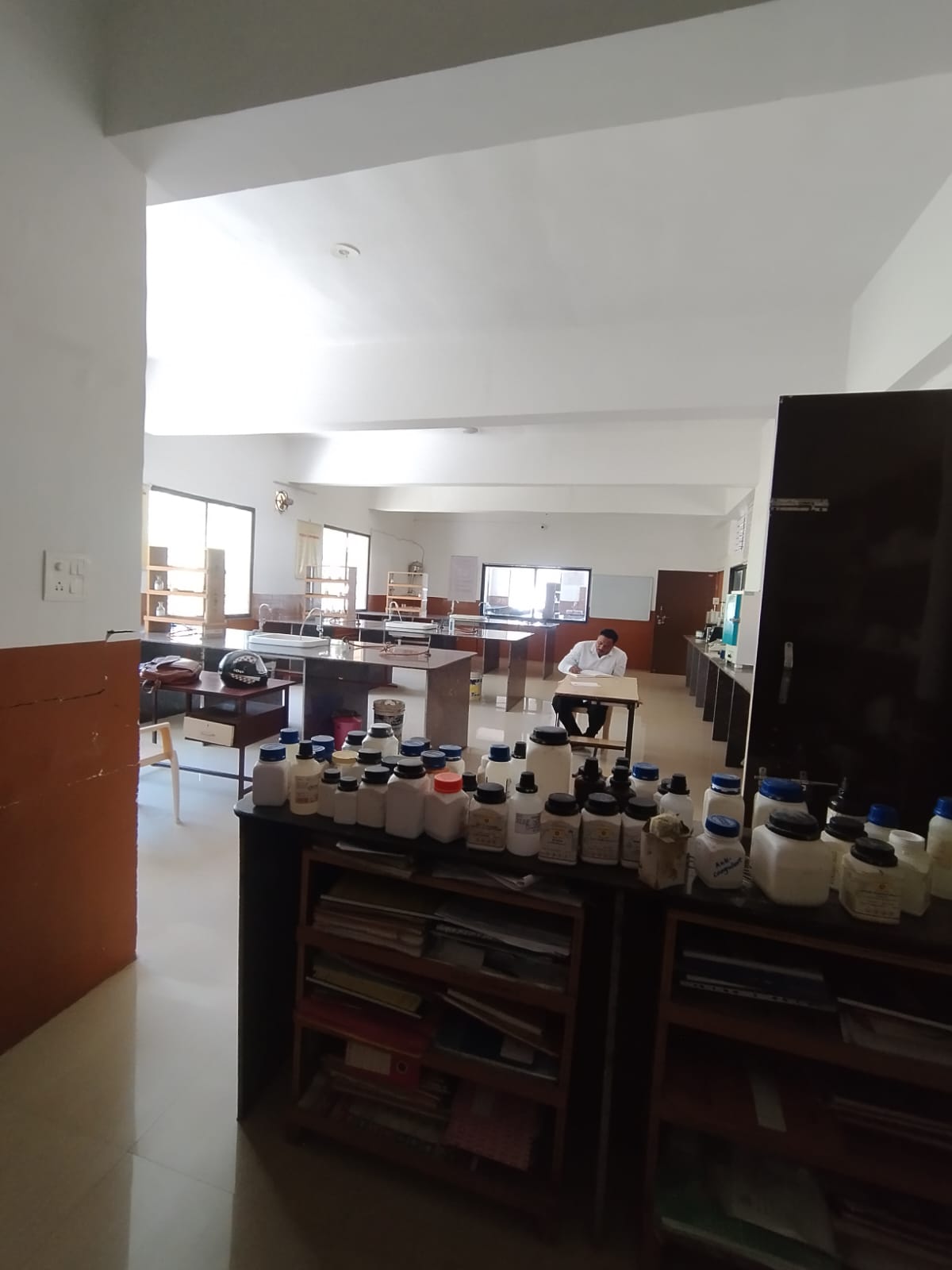
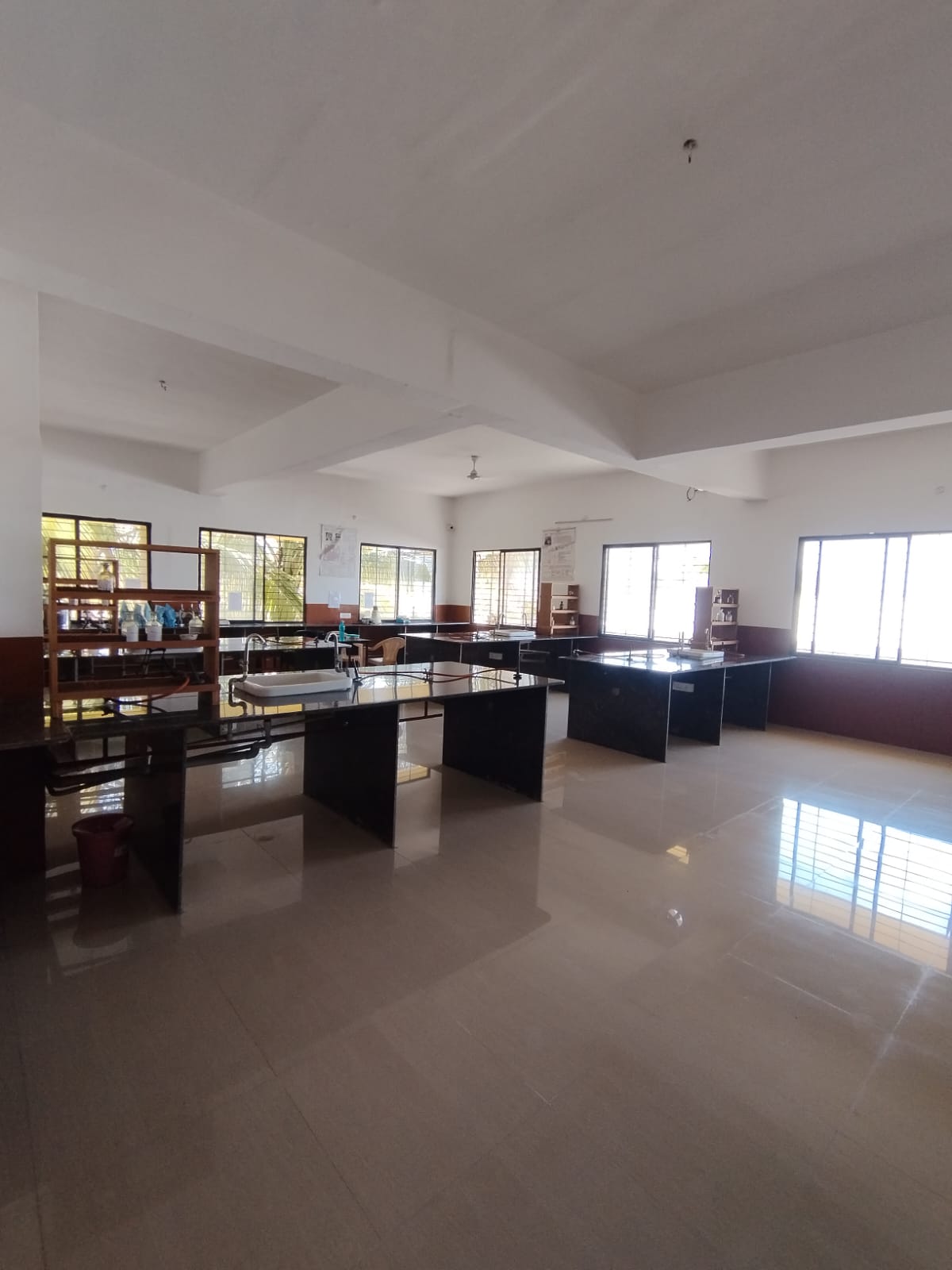
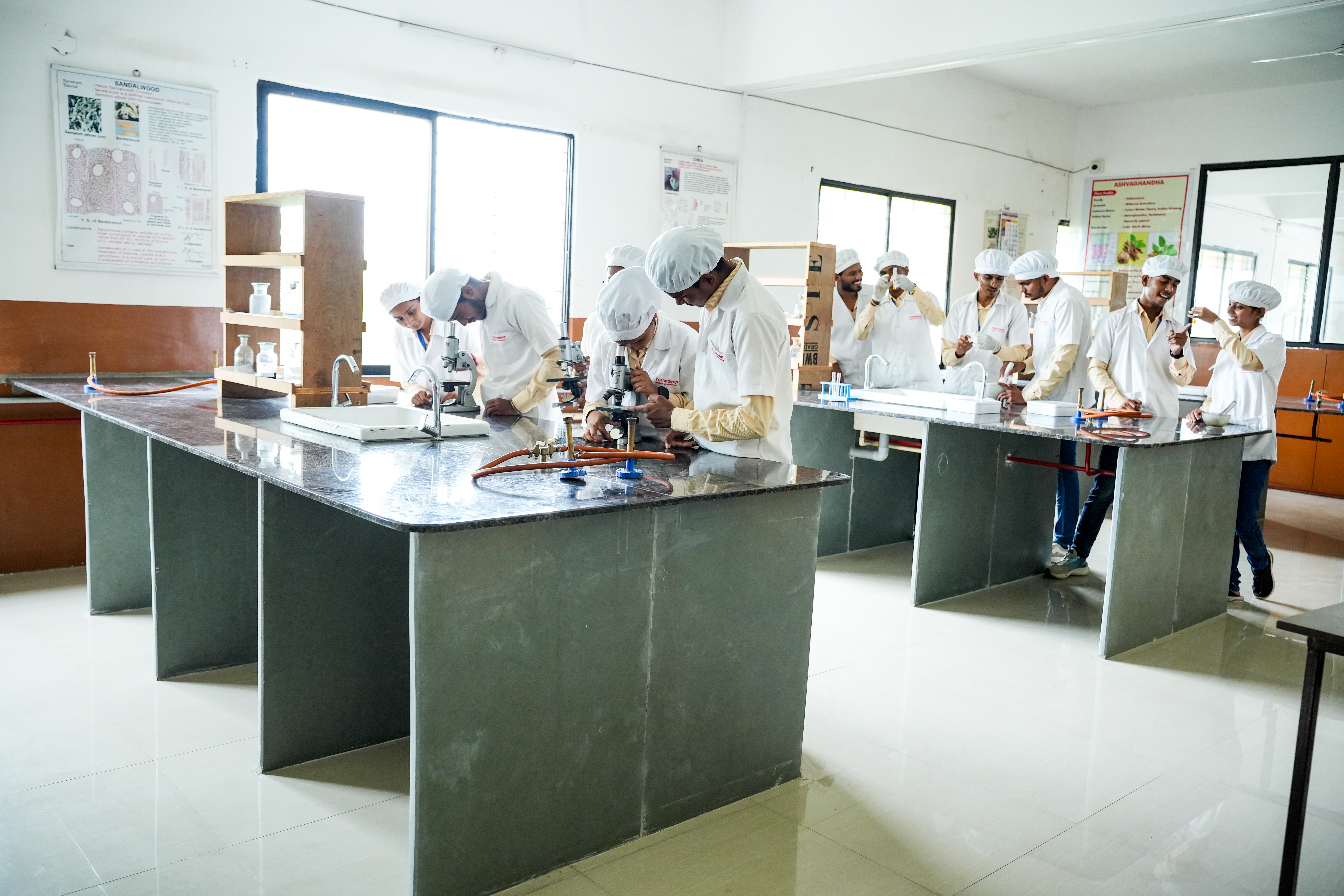
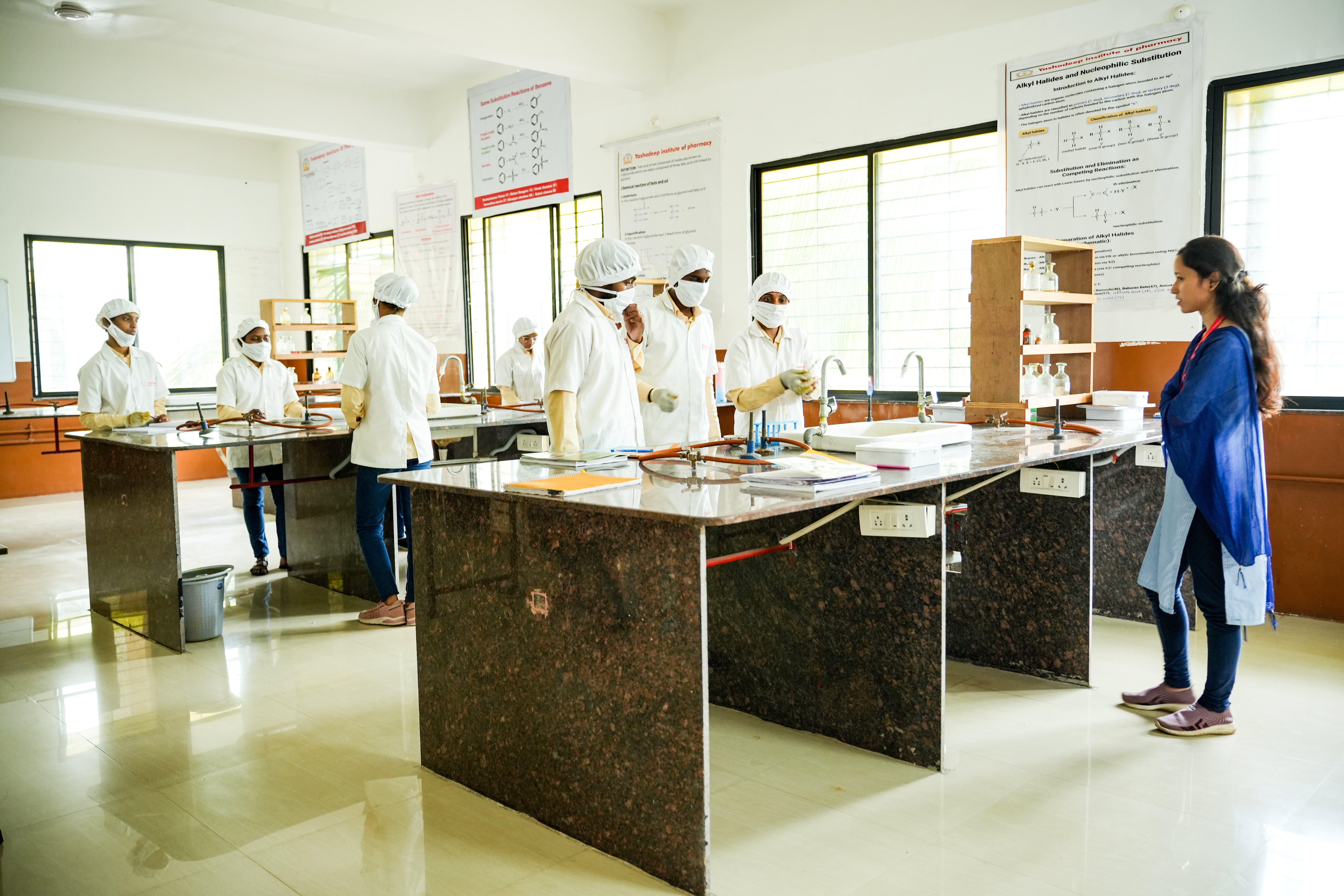
The Department of Pharmaceutical Chemistry at Yashodeep Institute of Pharmacy focuses on the Synthesis, Purification, Identification and Analysis of novel bioactive drug molecules. Here Students learn about Drug discovery and Design, Structural Activity Relationship, Molecular Docking and gain expertise in virtual screening, lead optimization and predictive toxicology.
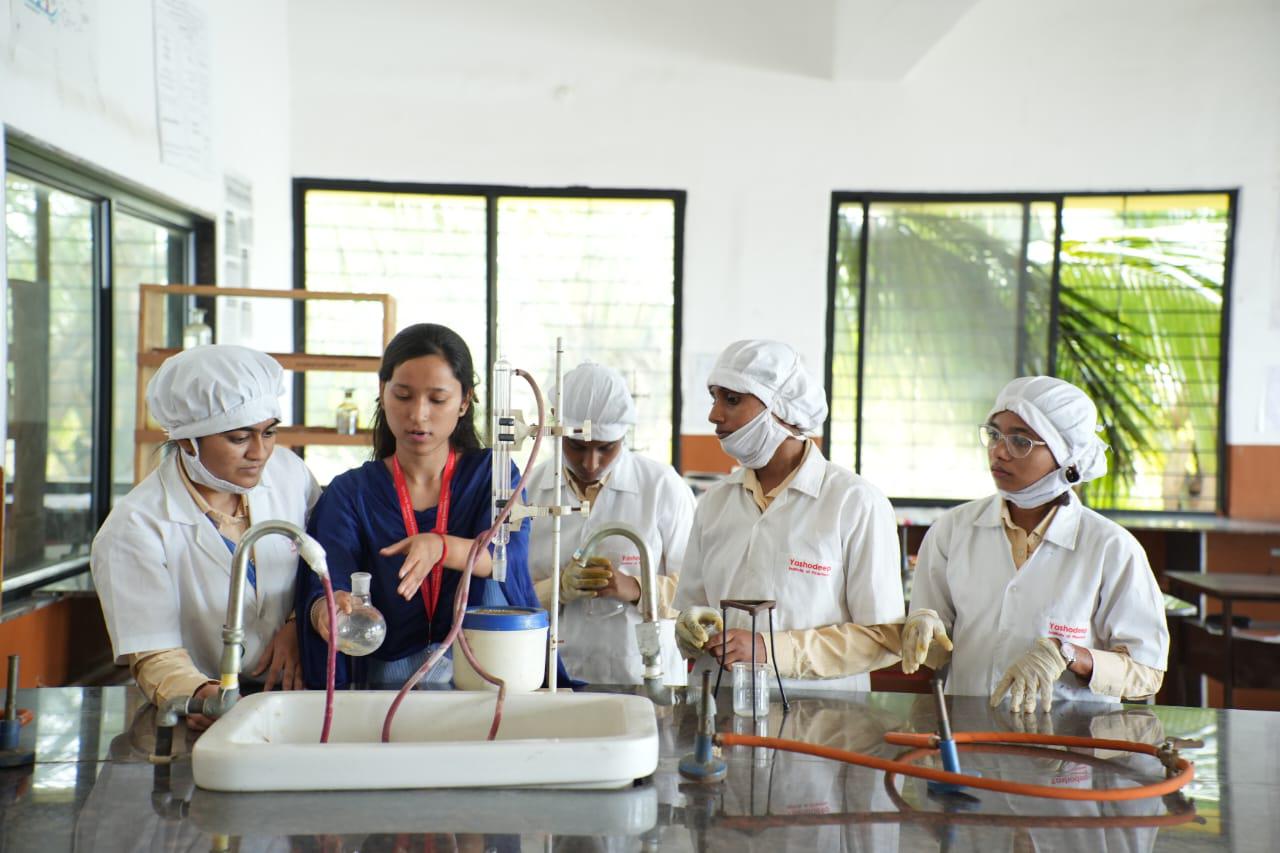
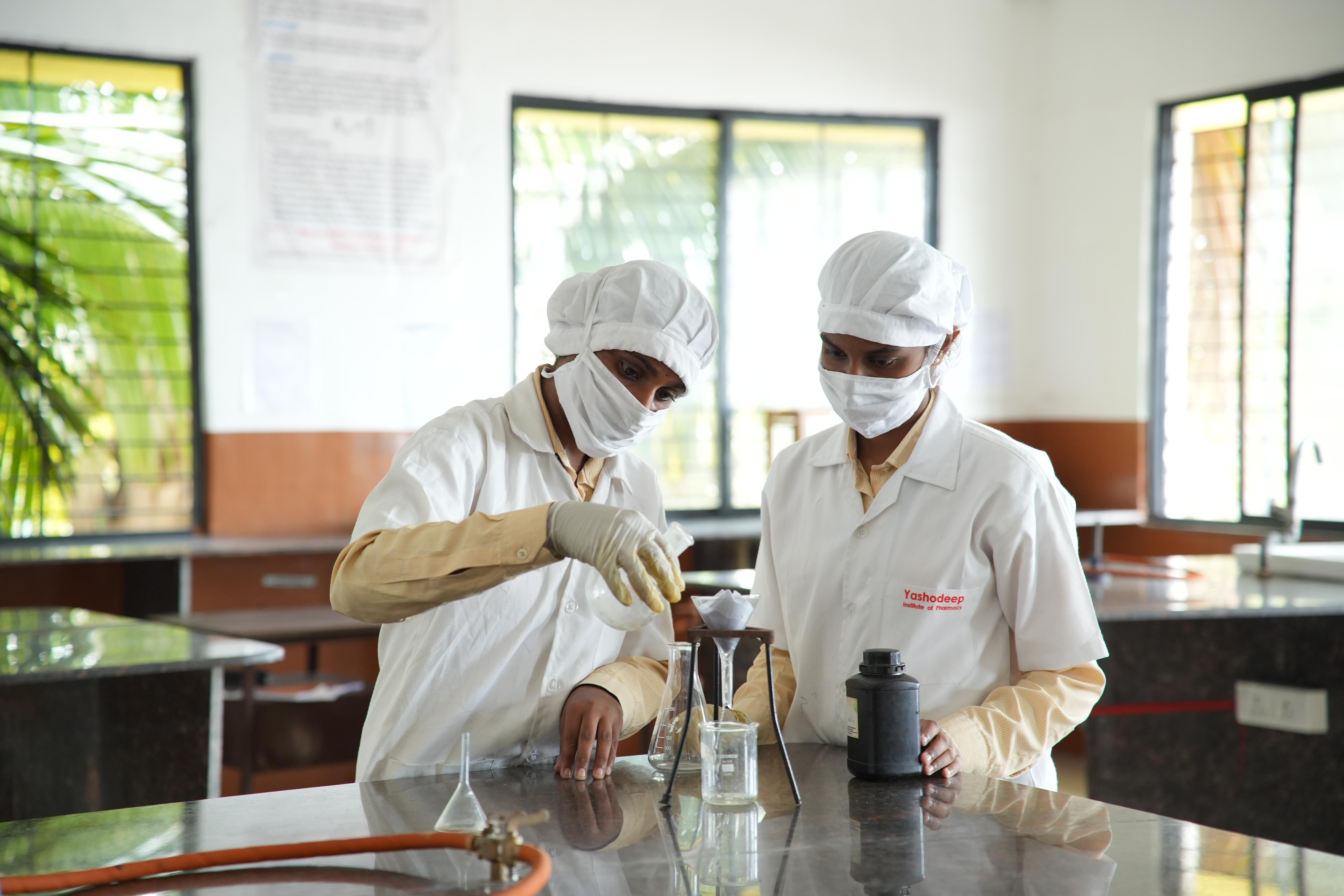
Our Laboratories are equipped with advanced software tools and facilities for the Synthesis, Characterization and Structural elucidation of bioactive molecules. The course content is structured & designed to prepare students to build career in Academic as well as Pharmaceutical Industry. The department actively collaborates with Pharmaceutical Industries and Research Institutions providing students with hands on training on various Instruments.
The Department of Pharmaceutics at Yashodeep Institute of Pharmacy, Chh. Sambhajinagar mainly focuses on formulation, development and evaluation of different dosage forms ensuring effective delivery of drug for the desired therapeutic effects. The Laboratory is equipped with sophisticated instruments and facilities for a research driven curriculum and emphasizes on Novel drug delivery system (NDDS), Nanotechnology, Bio pharmaceutics, Pharmacokinetics and Industrial Pharmacy.
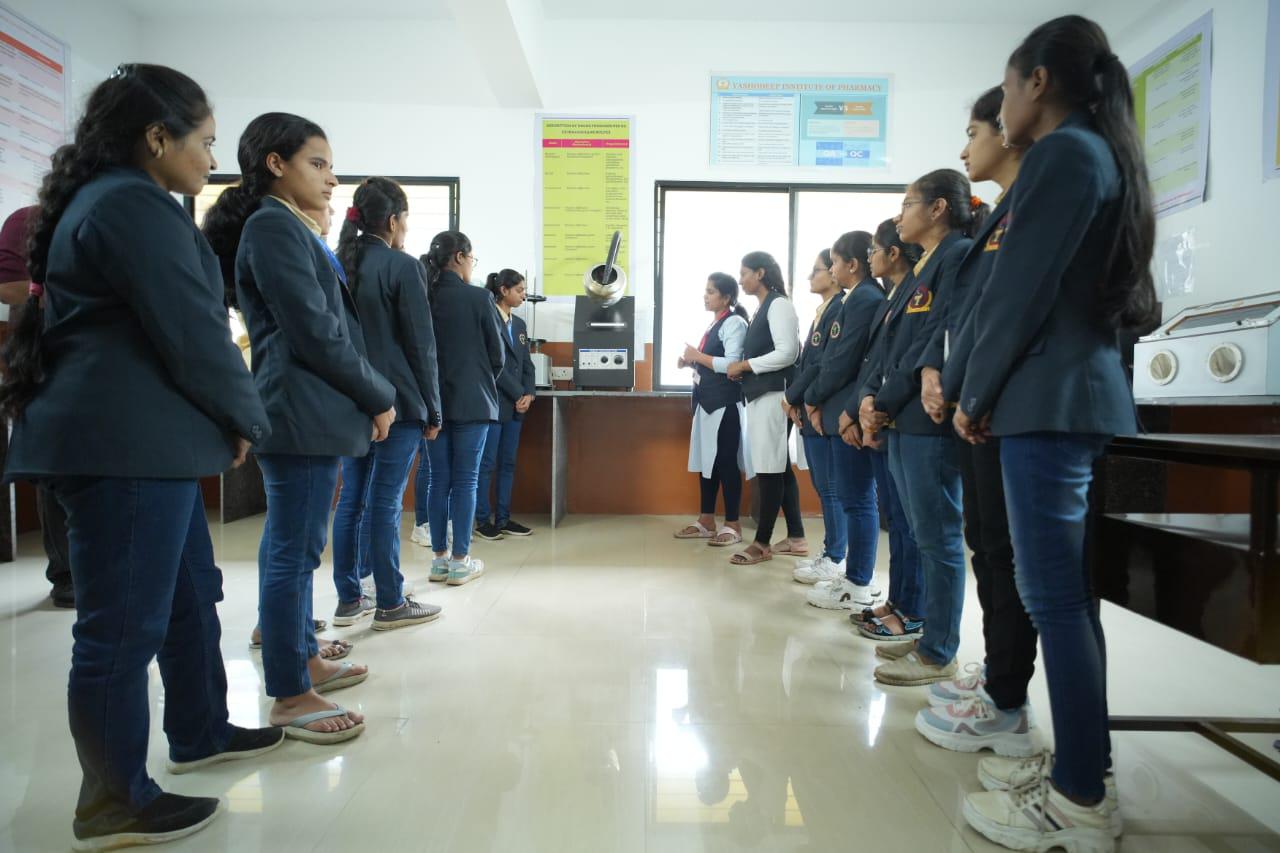
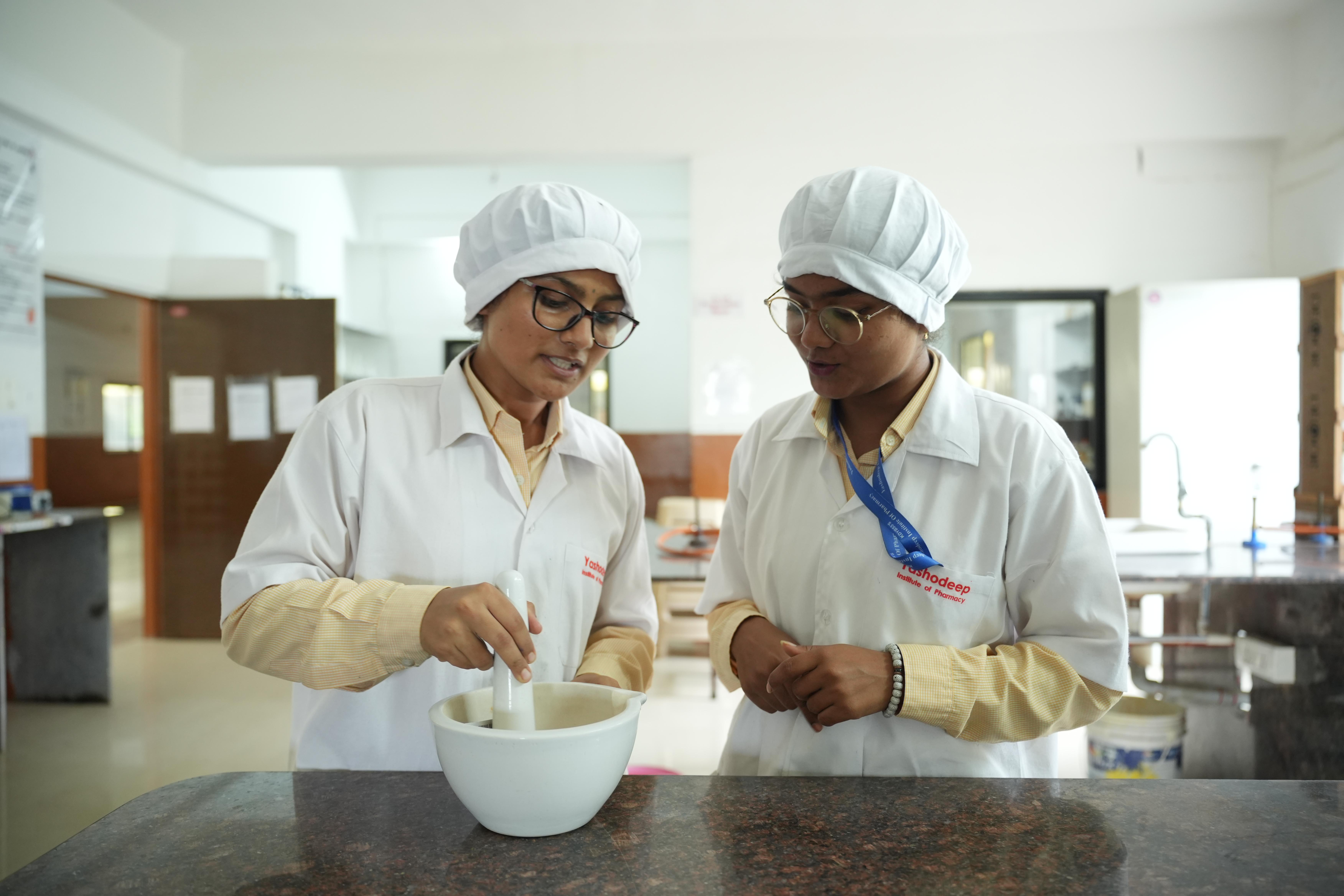
The course content helps the students to bridge the gap between Academic and Industry. The Pharmaceutics department prepares students for careers in Research & development, Formulation & development, Regulatory affairs and Pharmaceutical manufacturing.
The Department of Pharmacognosy at Yashodeep Institute of Pharmacy Chh. Sambhajinagar deals with the study of various medicinal plants, natural products and herbal drugs. The department focuses on identification, cultivation, collection, isolation, extraction, processing, evaluation and utilization of natural phyto-constituents emphasizing their role in Healthcare and drug Discovery. Our Laboratories are well equipped with advanced isolation, extraction and characterization techniques to enable students to explore the potential of phyto-constituents.
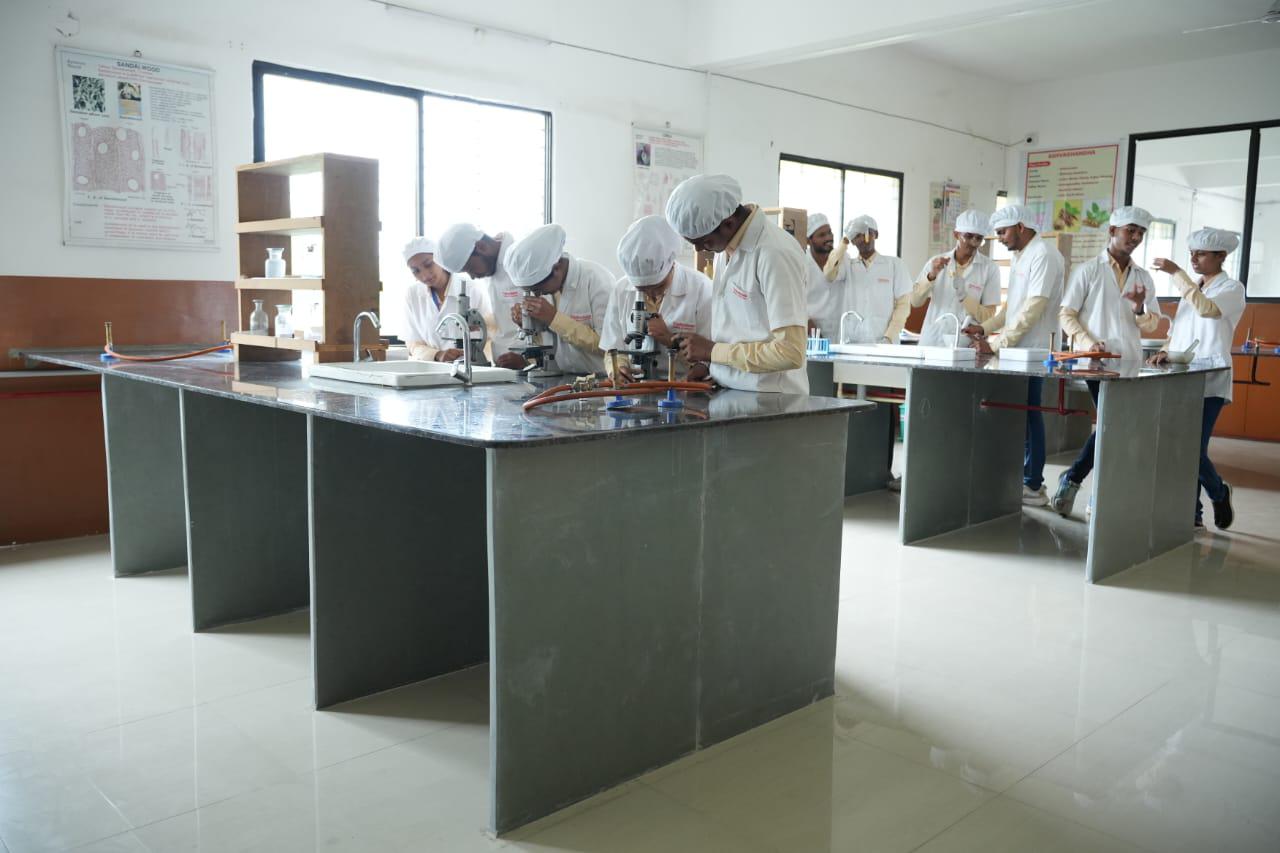
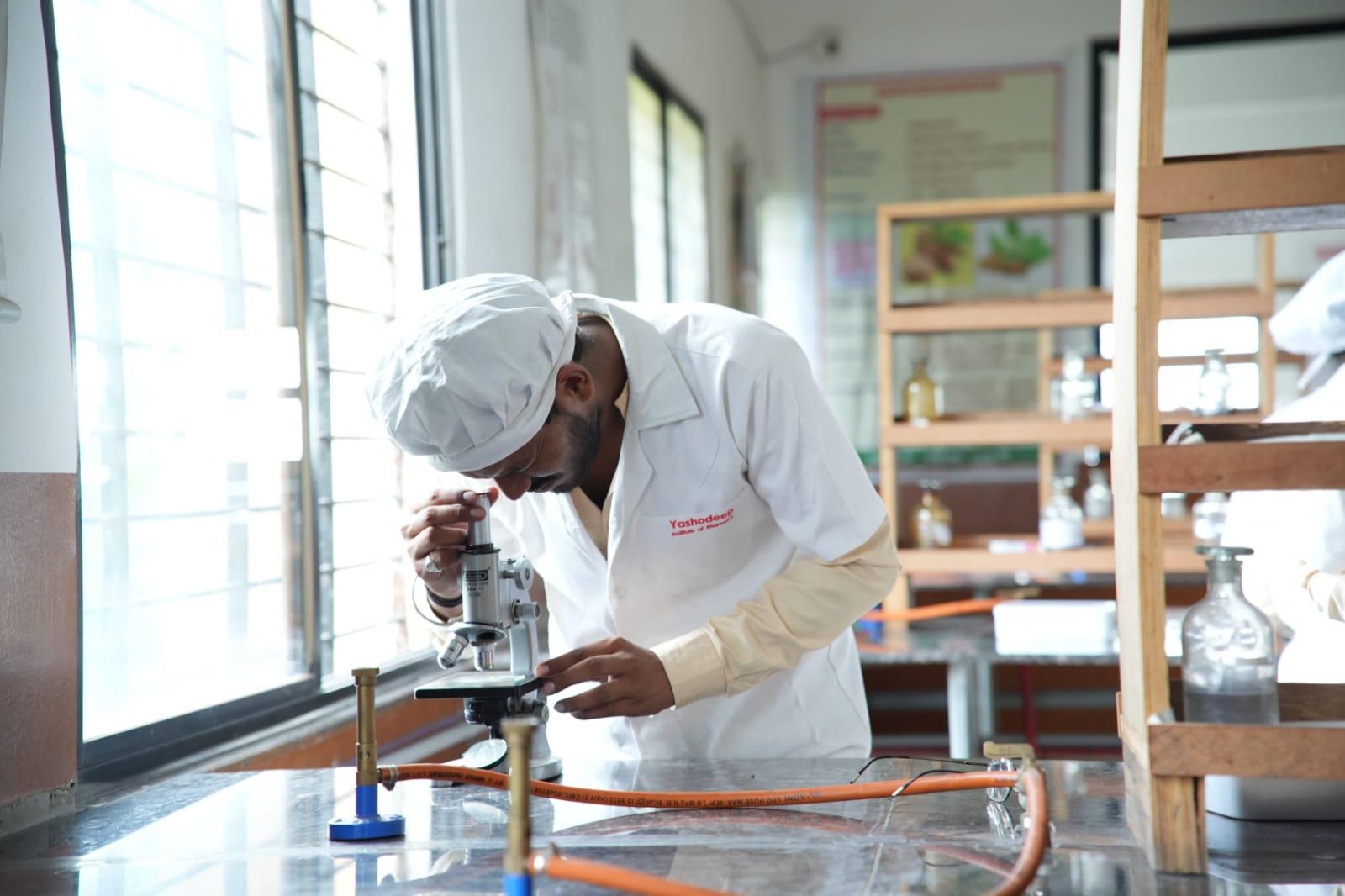
The institute is equipped with a herbal drug museum and medicinal plant garden which preserves various crude drugs and medicinal plants. To prepare the students to build a career in phytochemical industries, nutraceuticals, Cosmeceuticals and herbal drug research & technology, the department has well qualified professionals with expertise.
The Department of Pharmacology, Yashodeep Institute of Pharmacy, Chh. Sambhajinagar focuses on the study of drugs and their effects on living organisms. Here, the students gain knowledge about the mechanism of drug action, therapeutic effects, side effects, adverse effects and drug interactions. The two main areas of pharmacology are Pharmacokinetics and Pharmacodynamics. Pharmacokinetics is what the body does to the drug — it deals with Absorption, Distribution, Metabolism & Excretion (ADME) — whereas Pharmacodynamics is what the drug does to the body, involving how drugs interact with receptors, enzymes, or ion channels.
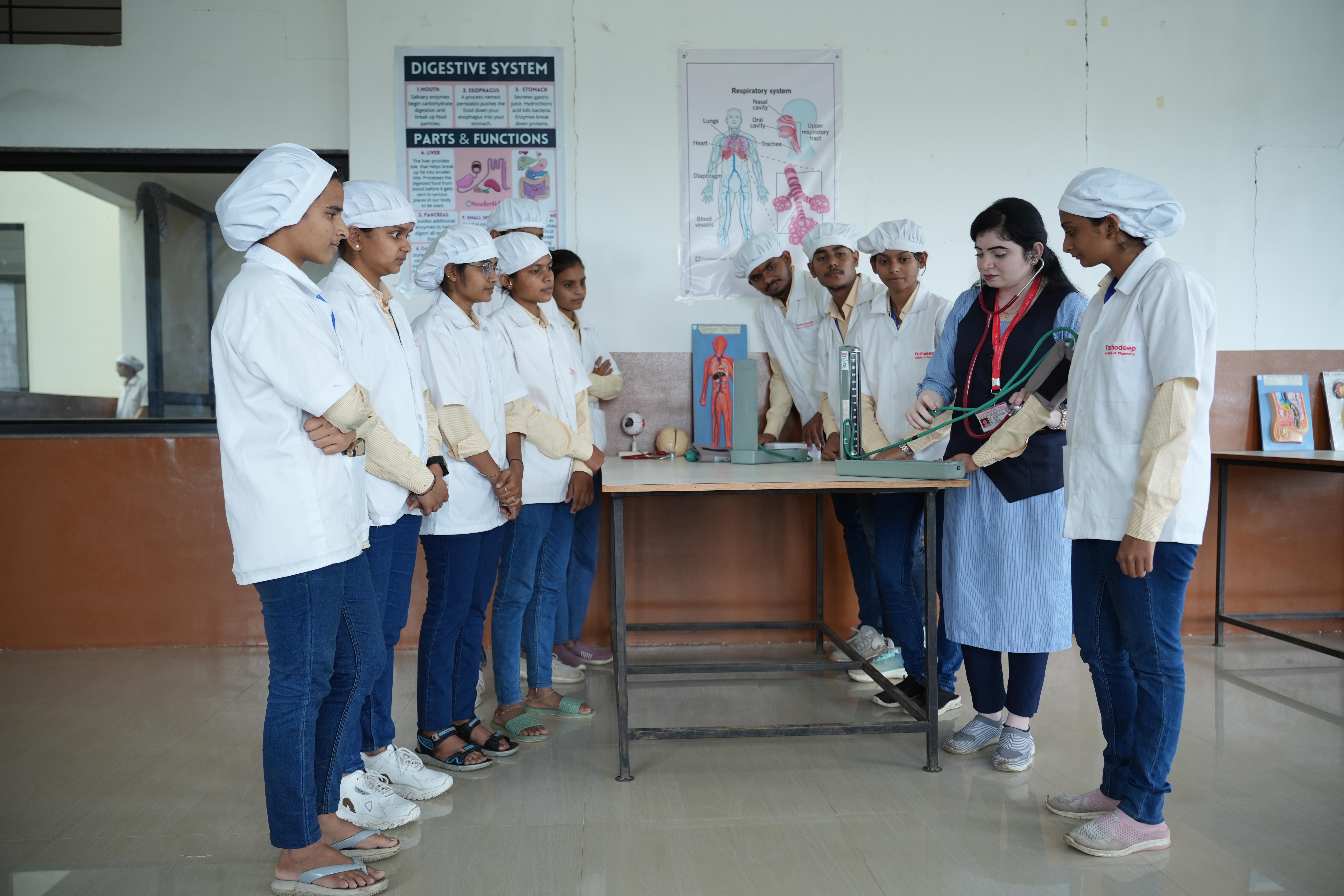
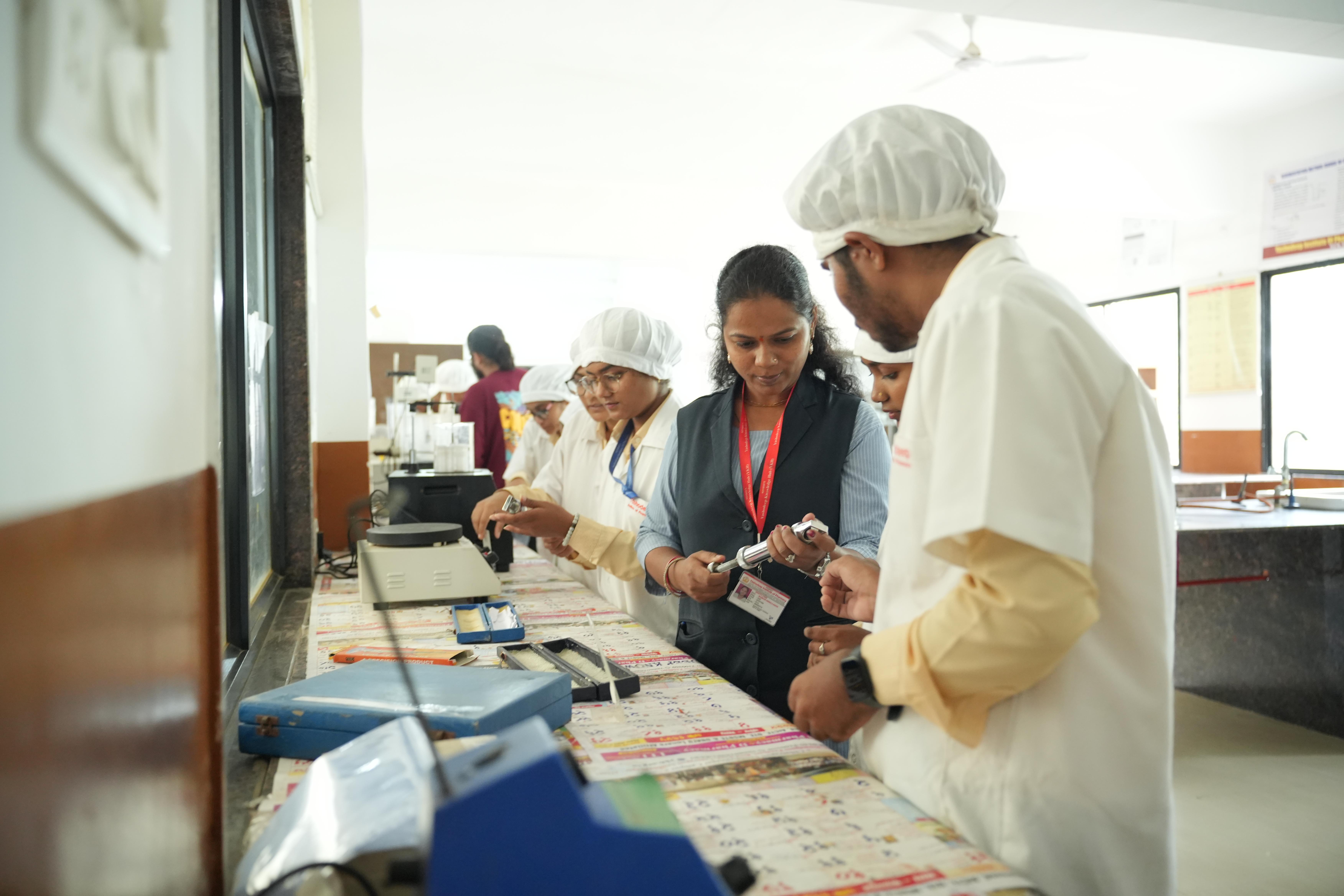
It involves experimental demonstration of drug effect on different tissues or organs of various animals like frogs, Guinea pigs and rabbits. The course content is structured & designed to build a student's career in Research & Development, Clinical Research, Pharmacovigilance, Academics and Regulatory affairs.
The Department of Pharmaceutical Quality Assurance at Yashodeep Institute of Pharmacy, Chh. Sambhajinagar emphasizes on the highest standards in drug quality, safety and compliance. It deals with analytical method development, validation, stability studies, Good Manufacturing Practices (GMP) and Good Laboratory Practices (GLP). It emphasizes a science based and risk based approach to Pharmaceutical product development by integrating Quality by Design (QbD). It promotes a quality-oriented approach in pharmaceutical manufacturing and research.
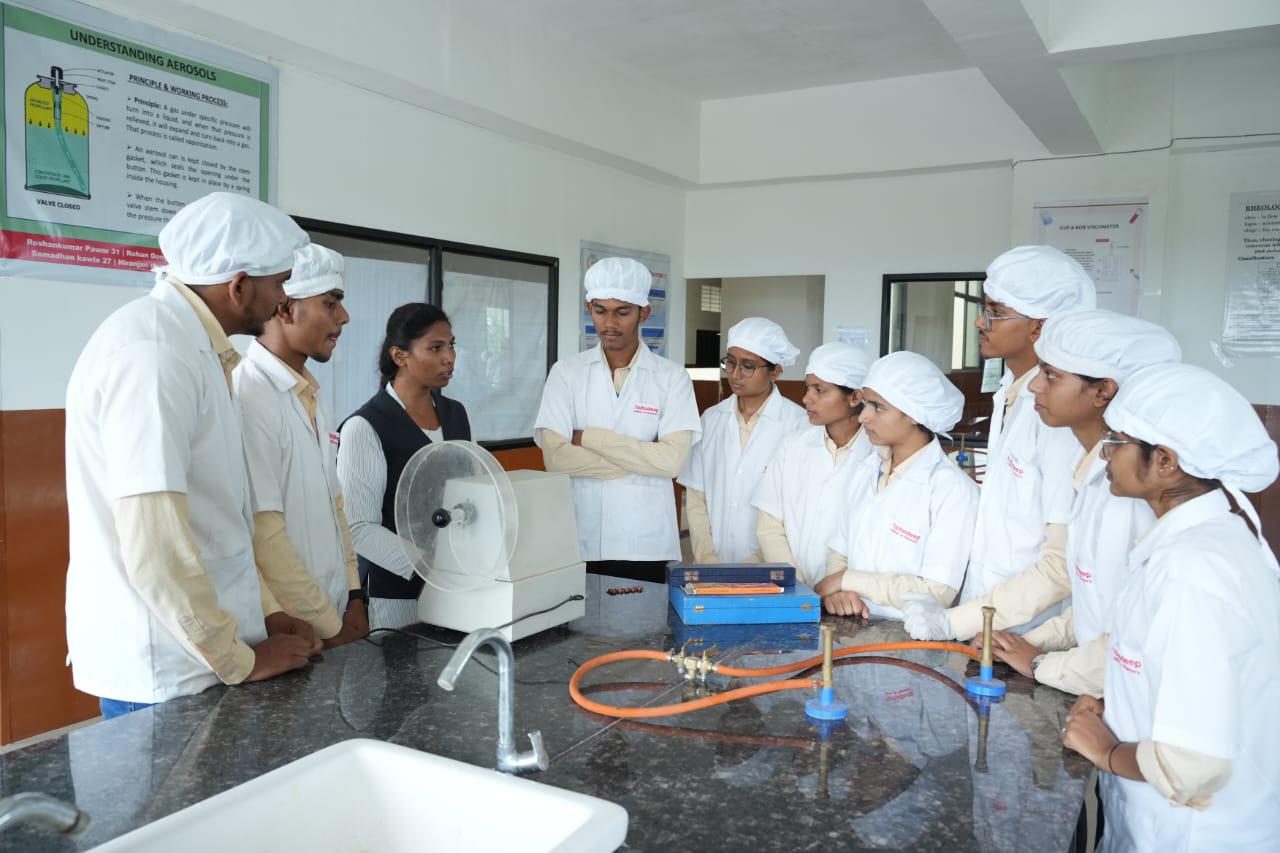
The course content is designed and structured to enable the students to build a career in Quality Control (QC), Quality Assurance (QA), Regulatory Affairs and Pharmaceutical Analysis.
B.Pharmacy is a four-year undergraduate degree designed to build expertise in pharmaceutical
sciences and healthcare applications. The curriculum offers an in-depth understanding of drug
formulation, pharmacology, medicinal chemistry, clinical pharmacy, and pharmaceutical
regulations. Students gain hands-on experience in labs and real-world settings, preparing them
for diverse roles in the pharmaceutical sector.
Graduates are equipped to work in
pharmaceutical manufacturing, quality control, medical research, hospital pharmacy, and drug
safety. With modern teaching methods and a focus on ethical practice, YKH ensures students not
only master pharmaceutical knowledge but also become responsible contributors to the healthcare
system.
D.Pharmacy is a focused two-year diploma course that qualifies students to become registered
pharmacists. The program covers drug composition, formulation, uses, dosage, and storage, along
with legal and ethical pharmaceutical practices. With practical training modules and experienced
faculty, the course prepares students for entry-level pharmacy roles across hospitals, clinics,
and retail sectors.
Students are trained to handle responsibilities like prescription verification, patient
counselling, inventory control, and medication dispensing. D.Pharm. also lays a strong
foundation for those aspiring to pursue higher education such as B.Pharm. through lateral entry.
Academic Year 2026-27 | First Year – Pharmacy (2 Years Duration)
Note: Candidates other than Maharashtra State Candidates shall be eligible for Institution quota only.
NRI / OCI / PIO / Children of Indian Workers in Gulf Countries / Foreign National
The following original documents, along with one set of photocopies (one attested and one without attestation), are required to be submitted at the time of confirmation of admission.
| Sr. No. | Documents Required |
|---|---|
| 1 | Application form – DTE Portal (for all candidates) |
| 2 | Document verification status report from the FC Centre (Acknowledgement) |
| 3 | Seat Allotment Letter (for CAP allotted candidates) |
| 4 | Online Seat Acceptance Letter (for CAP allotted candidates) |
| 5 | Certificate of Age, Nationality & Domicile Certificate |
| 6 | Mark sheet of the SSC & HSC Examination |
| 7 | Caste Certificate (if applicable) |
| 8 | Caste Validity Certificate (if applicable) |
| 9 | Non-Creamy Layer Certificate, valid up to 31st March 2027 (if applicable) |
| 10 | College Leaving Certificate or Transfer Certificate |
| 11 | Income Certificate (if applicable) |
| 12 | Economically Weaker Section (EWS) Certificate (if applicable) |
| 13 | Defense Certificate (if applicable) |
| 14 | Physically Handicapped Certificate (if applicable) |
| 15 | Gap Certificate (if applicable) |
| 16 | Aadhar Card Xerox – Student |
| 17 | Aadhar Card Xerox – Parent |
| 18 | Bank Passbook Copy |
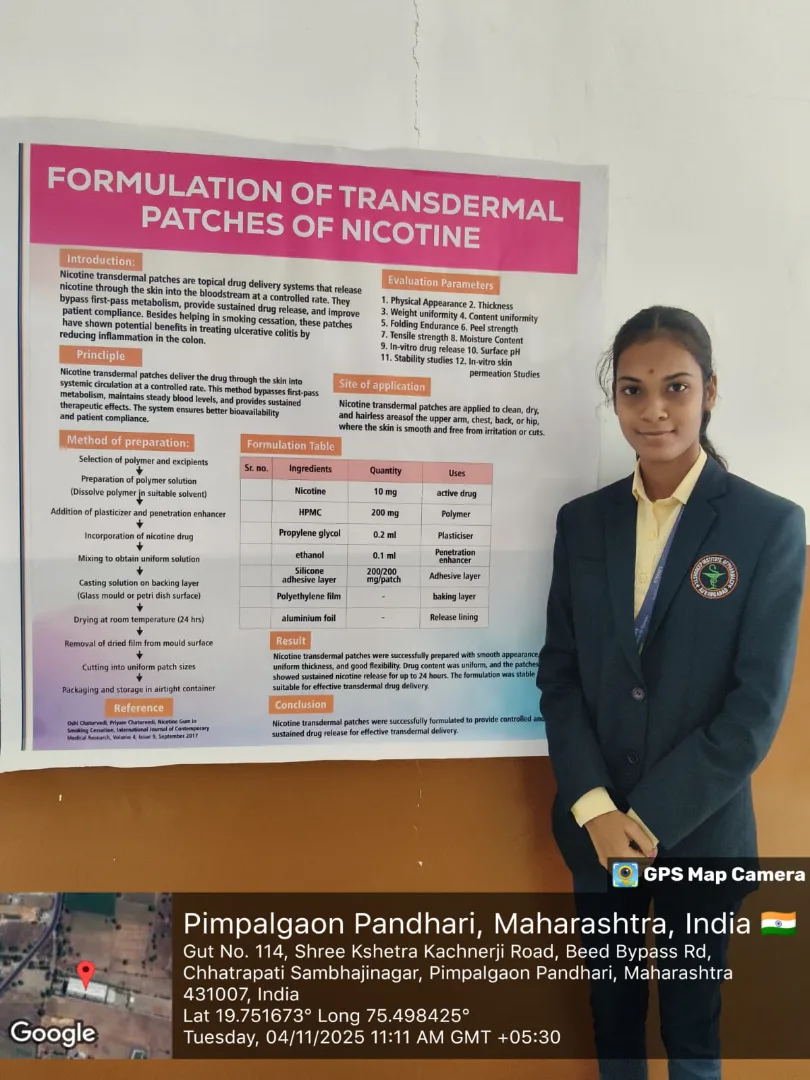
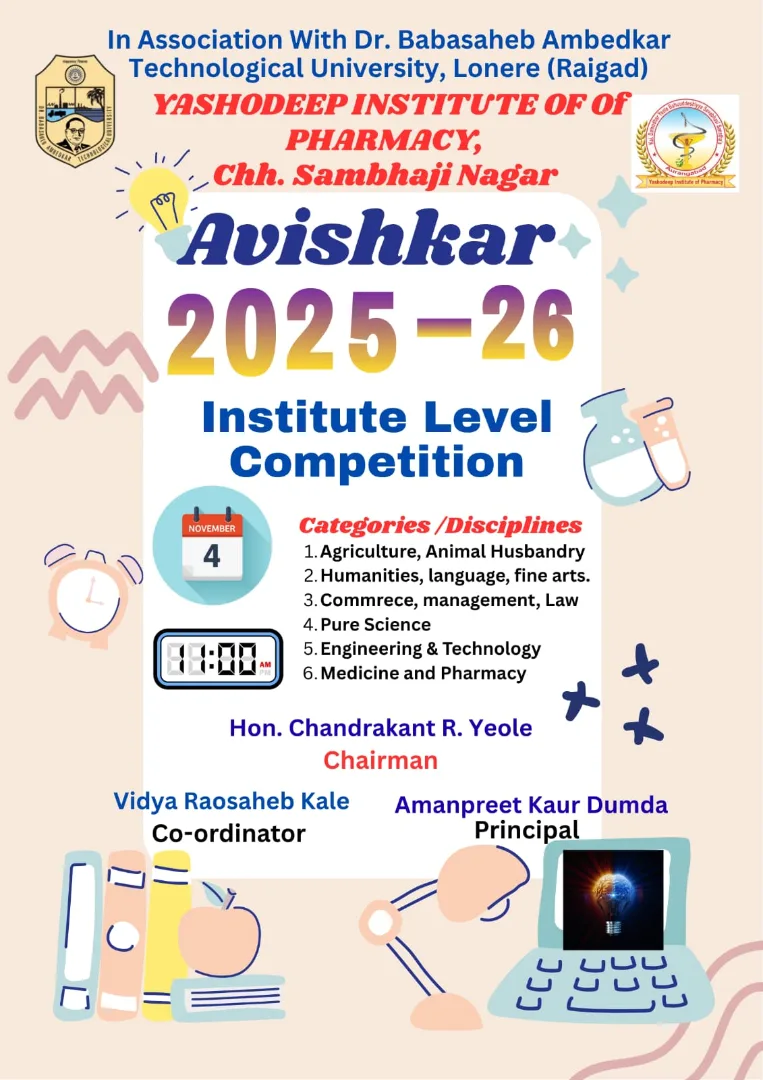
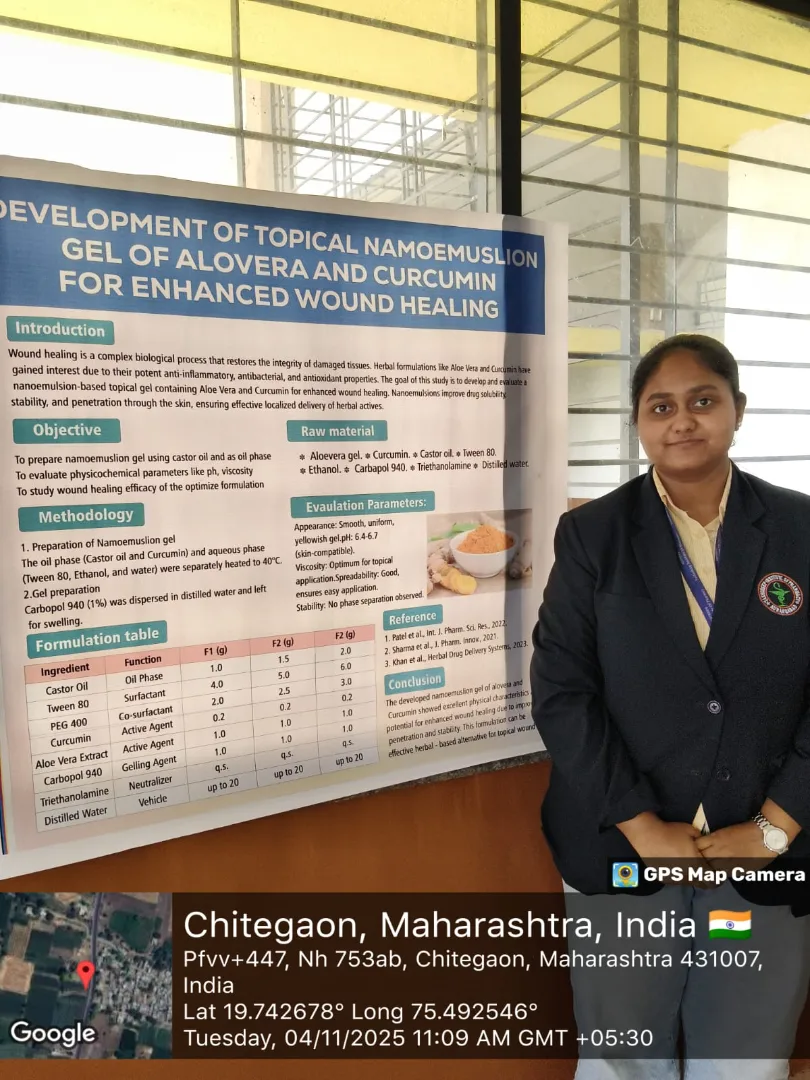
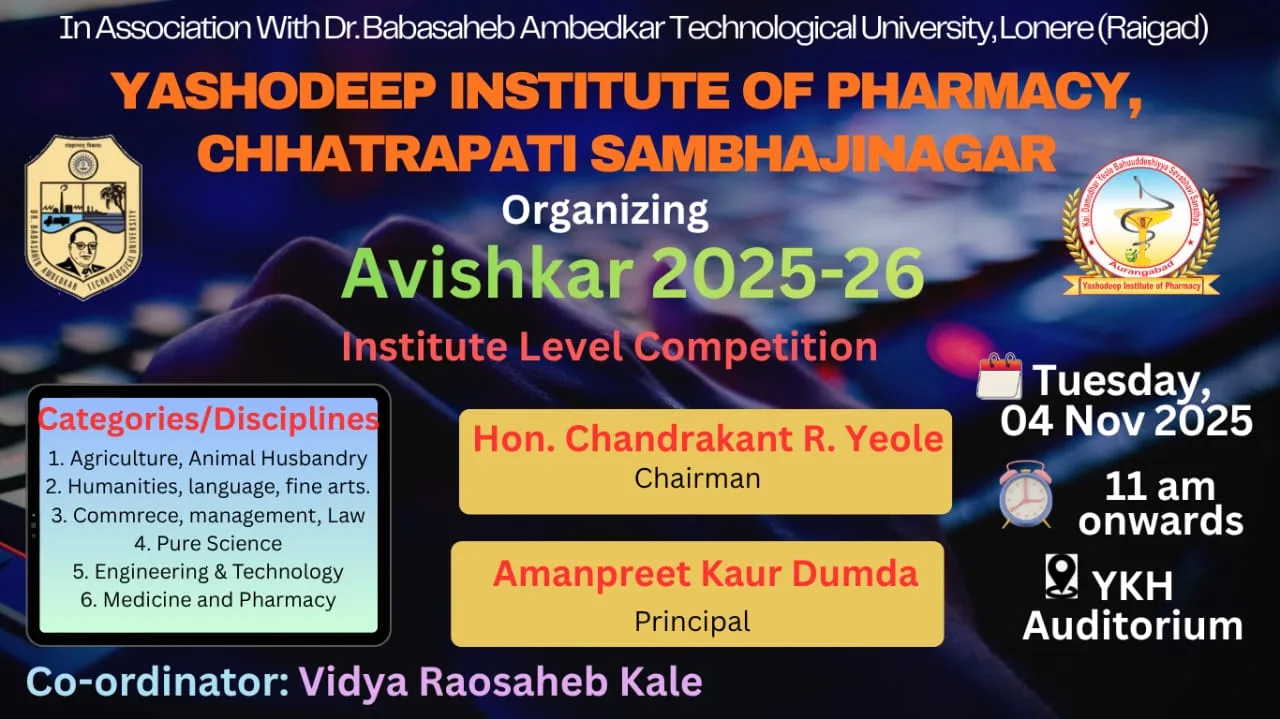
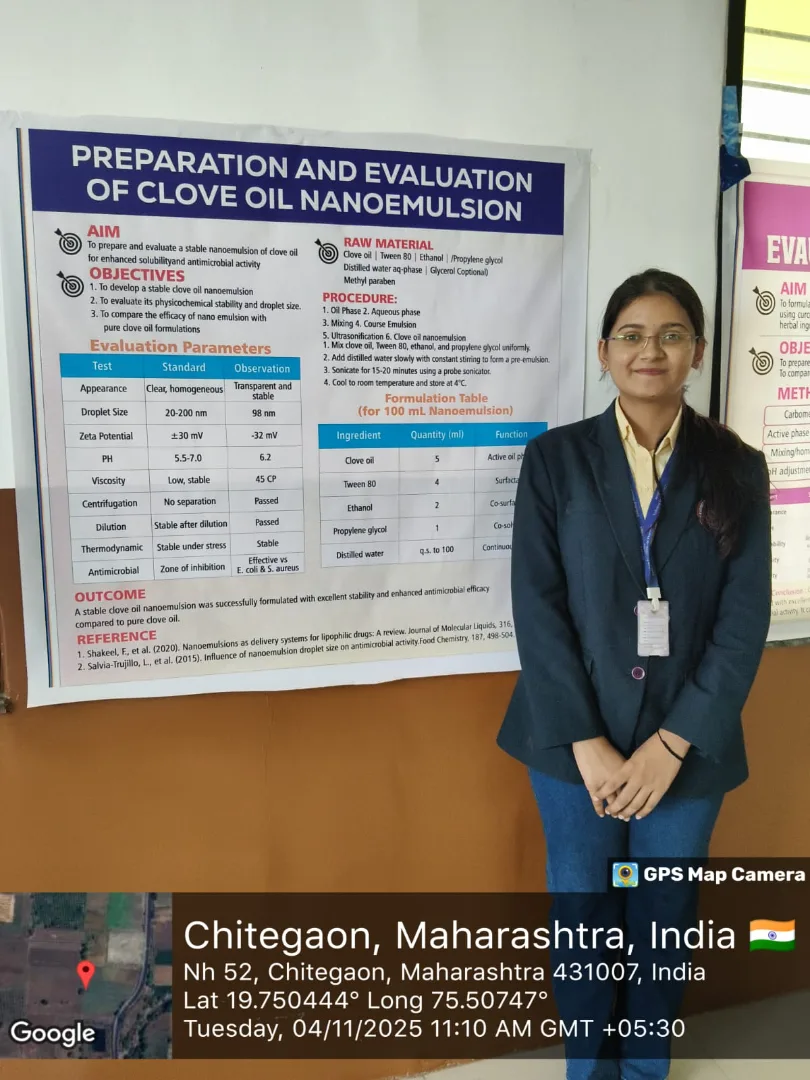
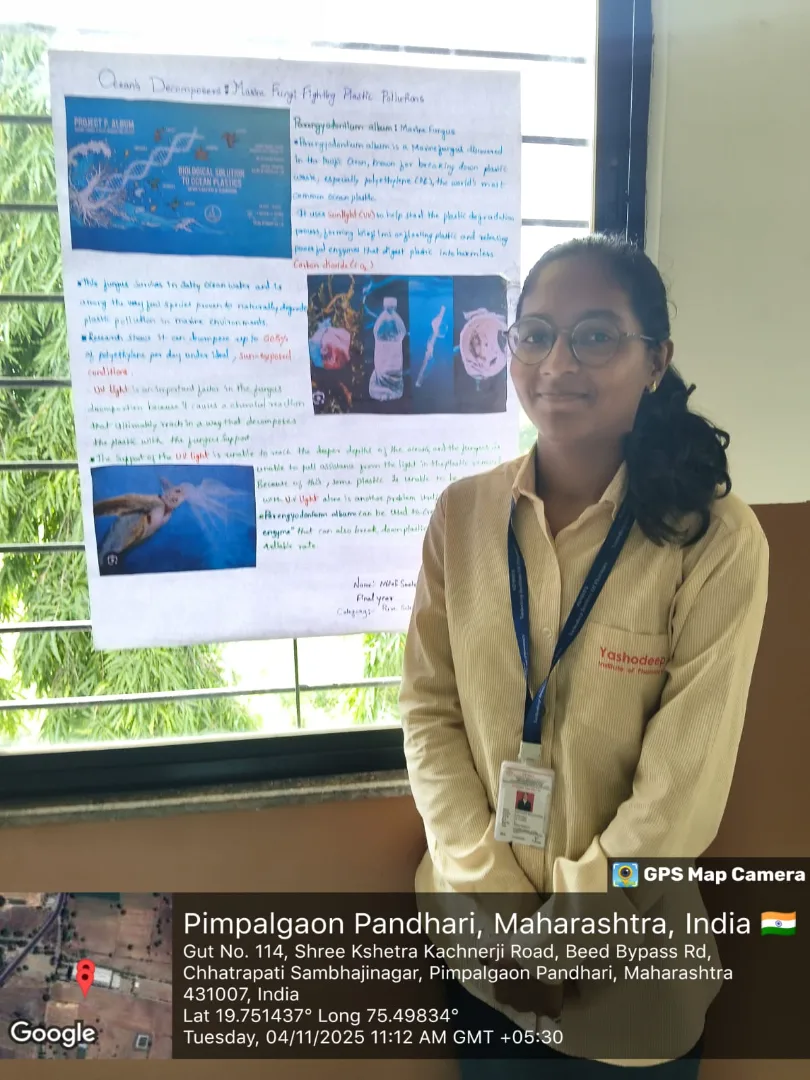
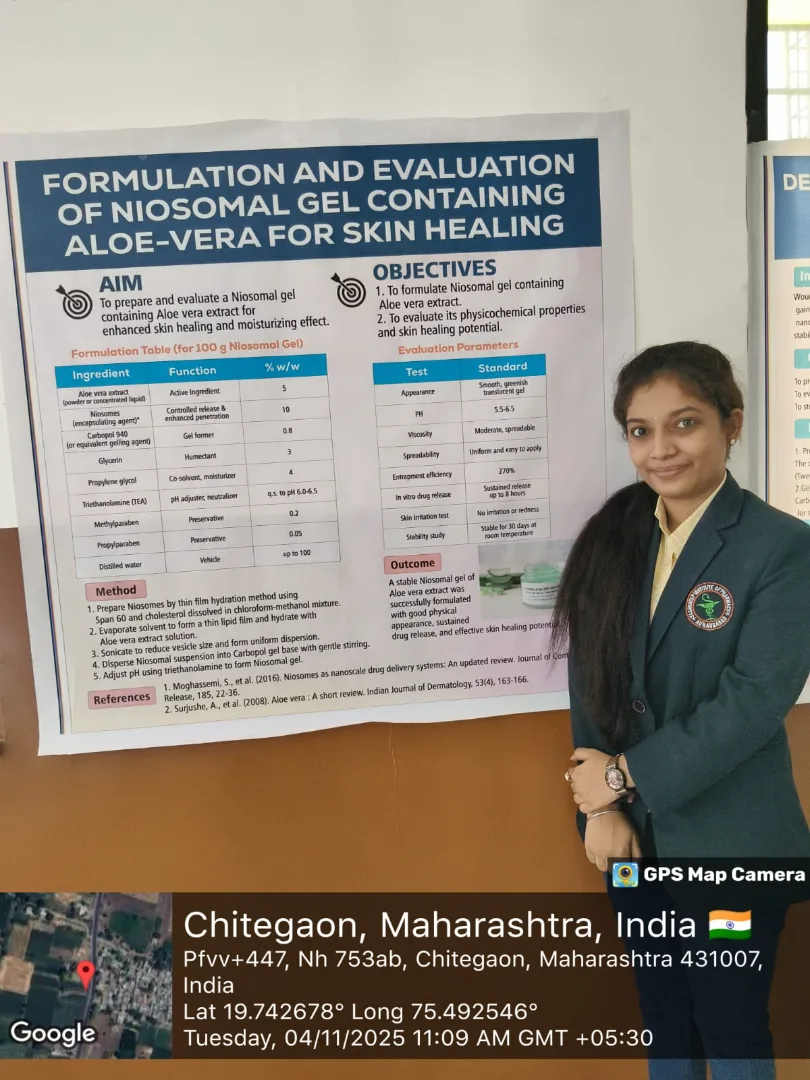
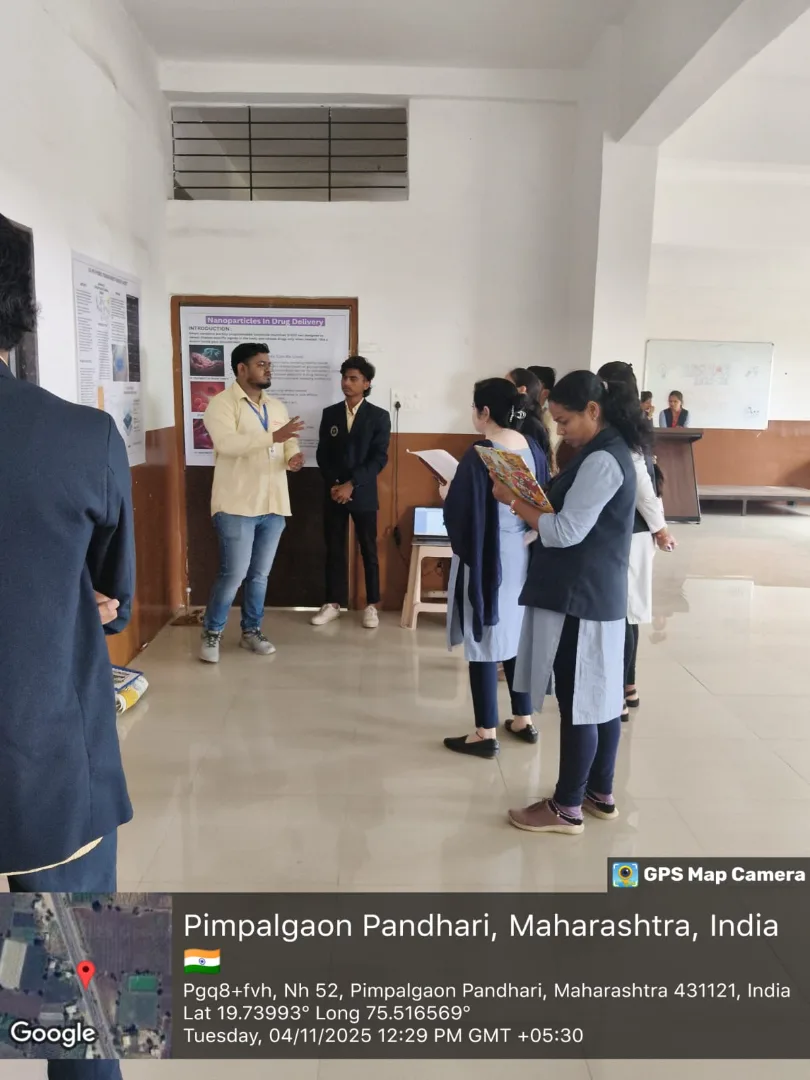
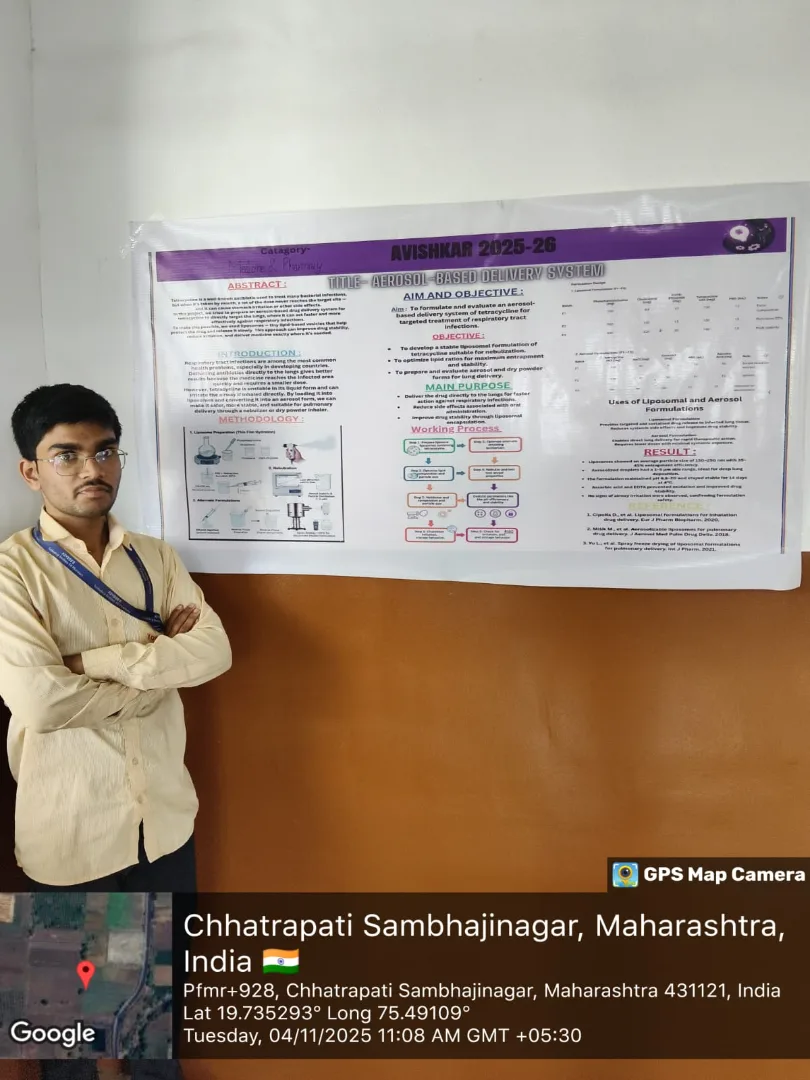
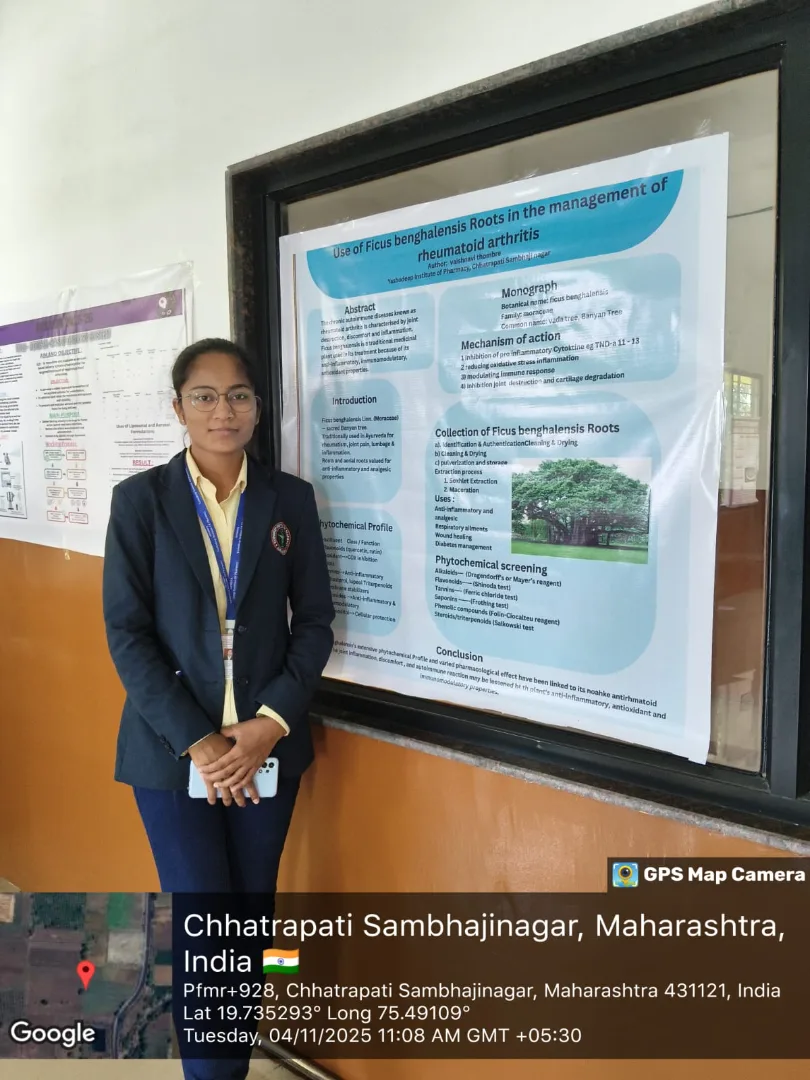
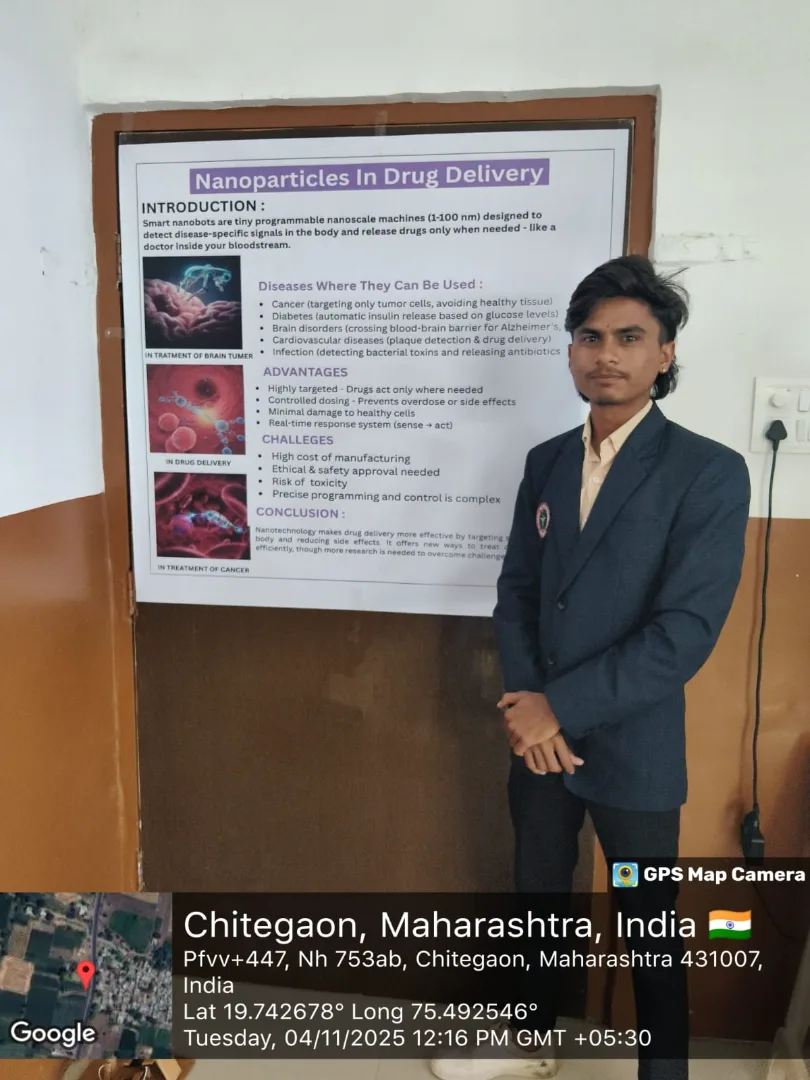
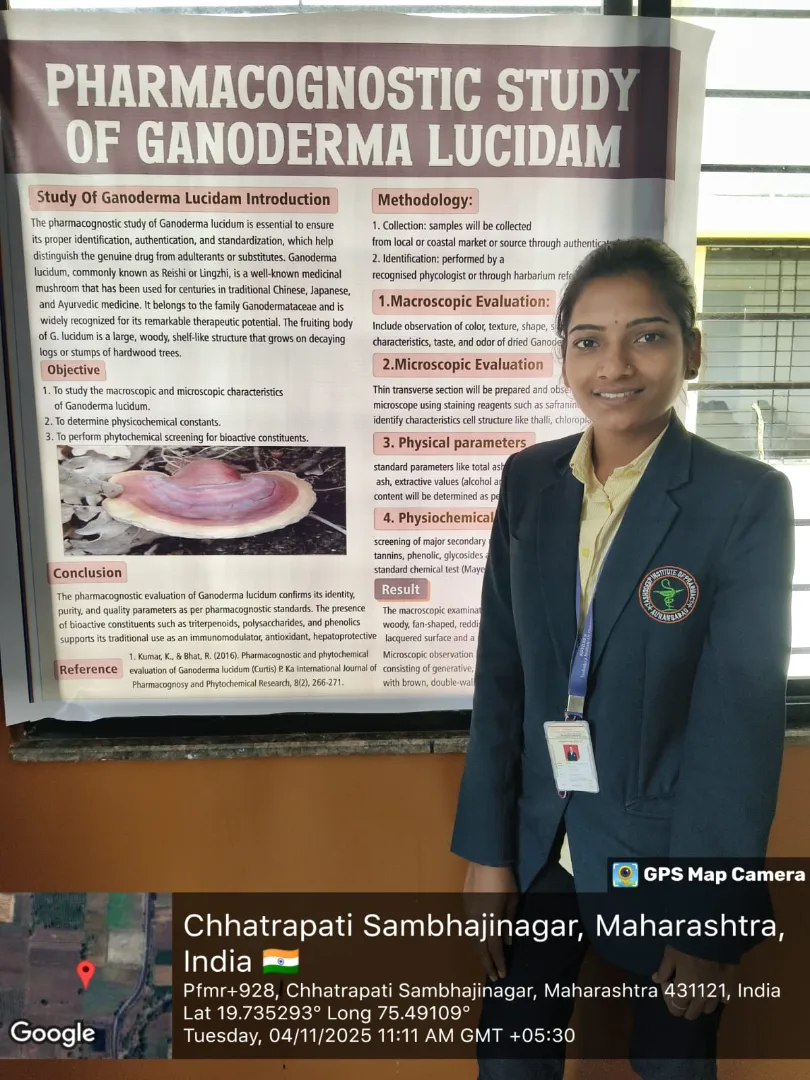
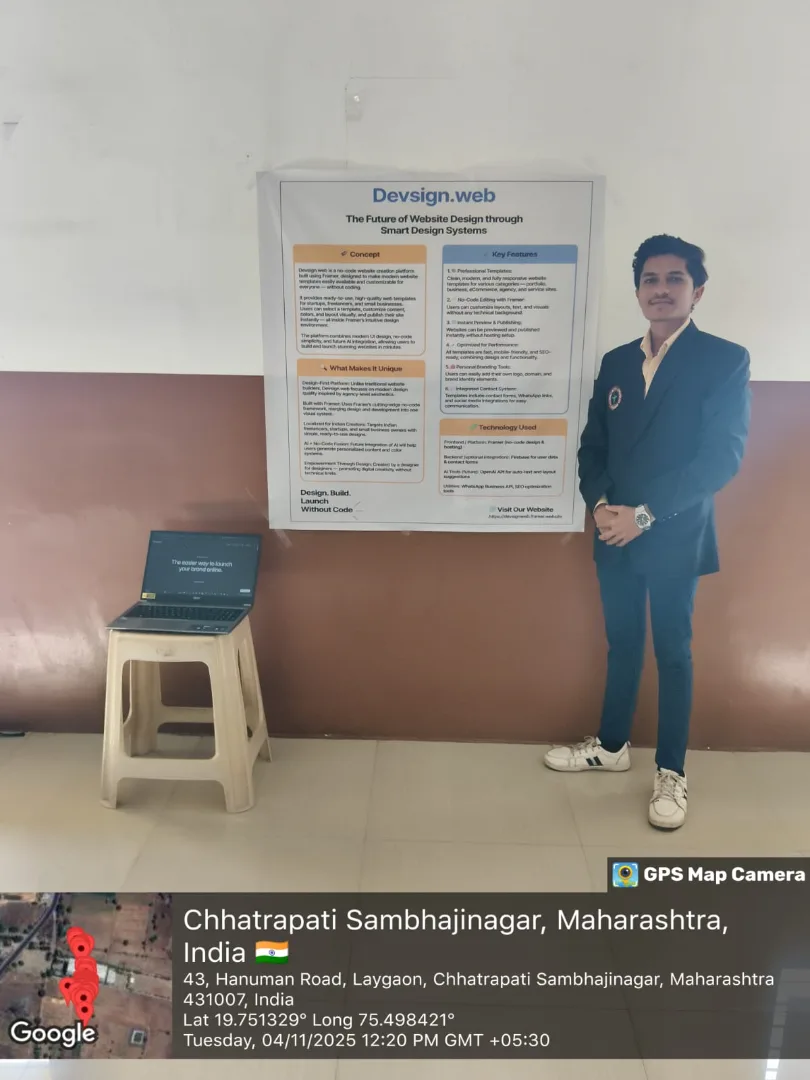
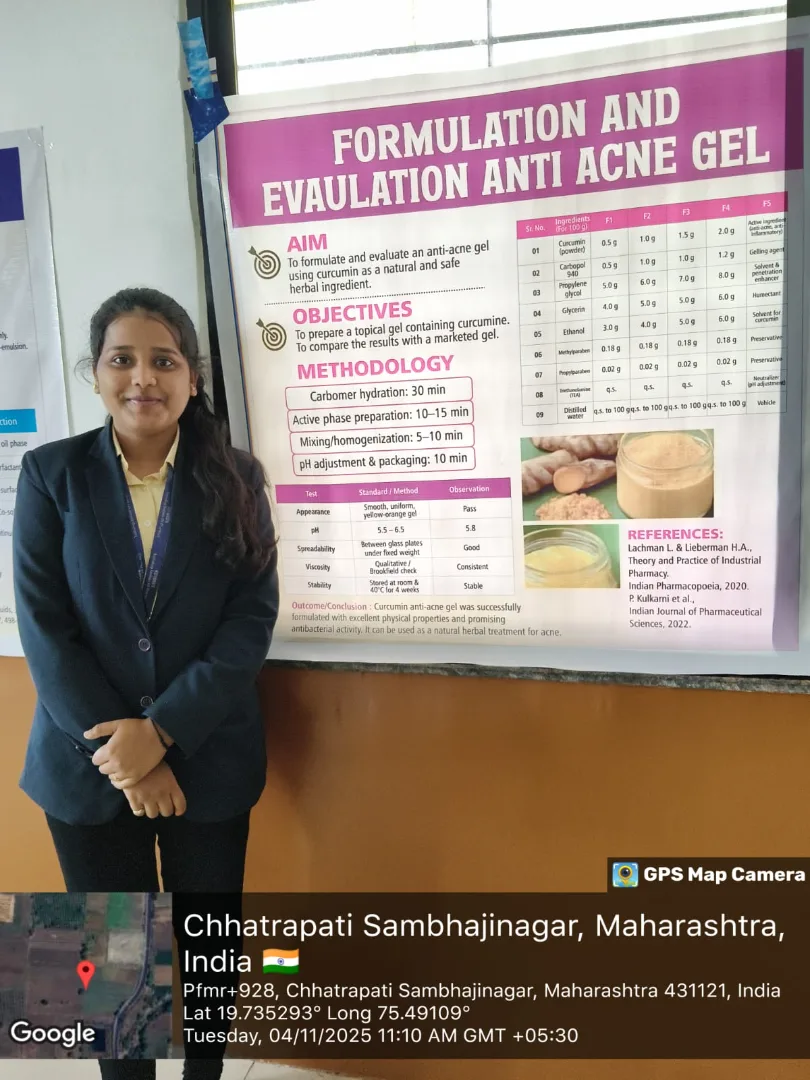
REPORT: AVISHKAR 2025–26 – Institute Level Competition
Organizing Institute: Yashodeep Institute of Pharmacy, Chhatrapati Sambhajinagar
REPORT: AVISHKAR 2025–26 – Institute Level Competition
Organizing Institute: Yashodeep Institute of Pharmacy, Chhatrapati Sambhajinagar
In Association With: Dr. Babasaheb Ambedkar Technological University (DBATU), Lonere
Venue: Yashodeep Institute of Pharmacy, Chhatrapati Sambhajinagar
Date: 4th November 2025
Introduction
The AVISHKAR 2025–26 Institute Level Competition was successfully organized by Yashodeep Institute of Pharmacy in association with DBATU, Lonere, on 4th November 2025. The competition aimed to promote a culture of research, innovation, and scientific thinking among students and identify meritorious projects for higher-level competitions.
Objectives of the Event
1. Encourage Innovation: Motivate students to develop novel research ideas and solutions.
2. Provide Platform: Enable presentation of research projects, working models, and concepts.
3. Interdisciplinary Learning: Enhance teamwork and collaboration across disciplines.
4. Talent Identification: Select outstanding projects for University/State Level Avishkar.
Organizing Committee & Guidance
The event was conducted under the able guidance of:
- Hon. Chairman: Hon, Chandrakant R. Yeole
- Administrative Officer: Respected Shyam Kulkarni
- Academic Dean: Milind Kulkarni
- Training & Placement Head: Shri Manish Bhallal
- Principal: Dr. Amanpreet Kaur Dumda
- Head of Department: Mrs. Nirmala Musmade
- Co-ordinator – Vidya Kale
Participation & Categories
Students participated enthusiastically across three major categories, presenting innovative ideas, working models, and conceptual projects that reflected creativity, scientific temperament, and practical relevance:
Categories:
1. Engineering & Technology
2. Medicine & Pharmacy
3. Pure Science
Evaluation Process
Projects were assessed by a distinguished panel of jury members based on originality, innovation, applicability, presentation skills, and research methodology.
Jury Panel:
1. Dr. Amanpreet Kaur Dumda – Principal
2. Mrs. Nirmala Musmade – Head of Department
3. Mrs. Kalyani Patil – Faculty Member
4. Mrs. Rutuja Shelke – Faculty Member
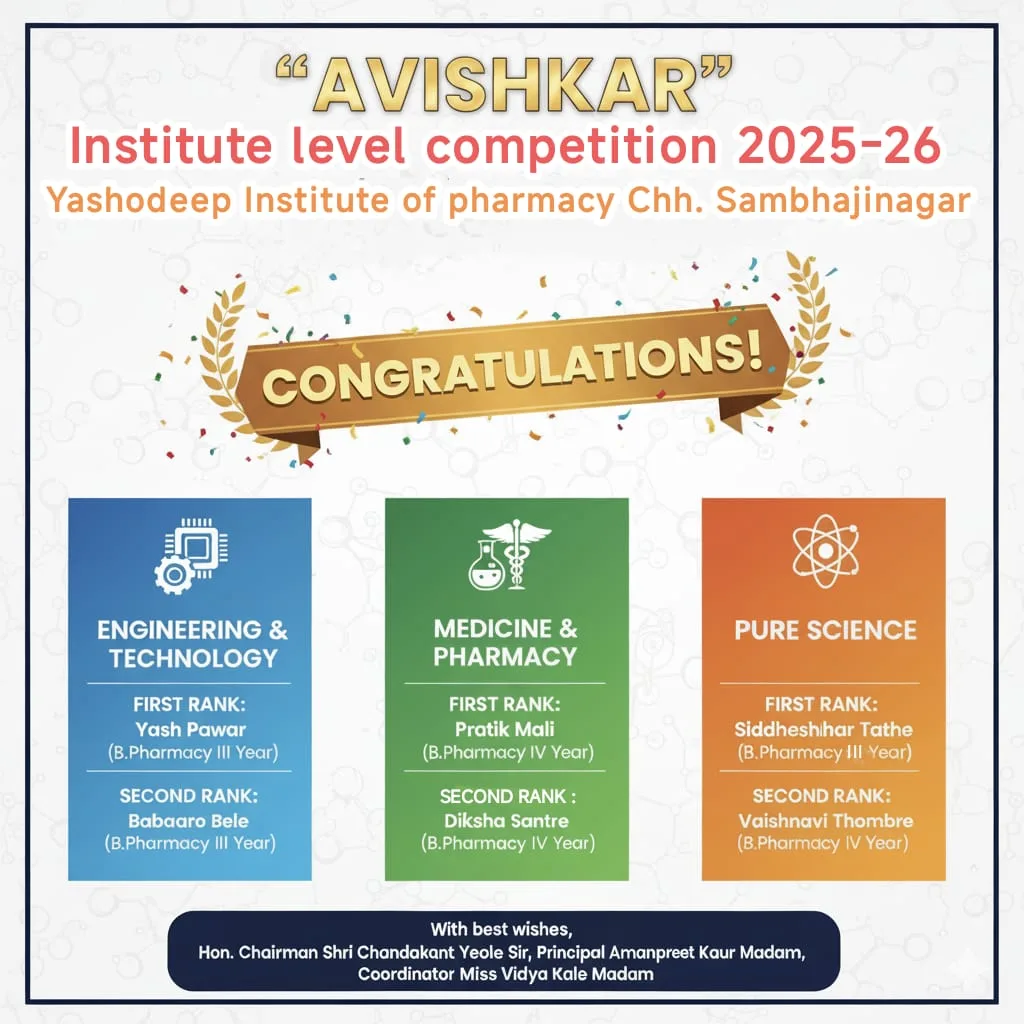
Winners of Avishkar 2025–26
Engineering & Technology
🥇 First Prize: Yash Pawar
🥈 Second Prize: Baburao Bele
Medicine & Pharmacy
🥇 First Prize: Pratik Mali
🥈 Second Prize: Diksha Santre
Pure Science
🥇 First Prize: Siddheshwar Tathe
🥈 Second Prize: Vaishnavi Thombre
The jury appreciated the high quality of presentations and encouraged all participants to refine their projects for University and State Level Avishkar competitions.
Outcome & Conclusion
The AVISHKAR 2025–26 Institute Level Competition concluded successfully with active participation from students and faculty. The event significantly fostered a spirit of research, innovation, creativity, and teamwork. It provided students a valuable platform to showcase technical skills and problem-solving abilities across disciplines.
The competition successfully identified promising projects for further academic and research development. The event concluded on a positive note with appreciation for the organizing committee, teaching staff, jury members, and participating students.
Overall, Avishkar 2025–26 upheld the institute’s commitment to academic excellence and innovation, aligning with DBATU’s vision of nurturing young researchers.
Congratulations to all participants! Selected projects to go for next level.
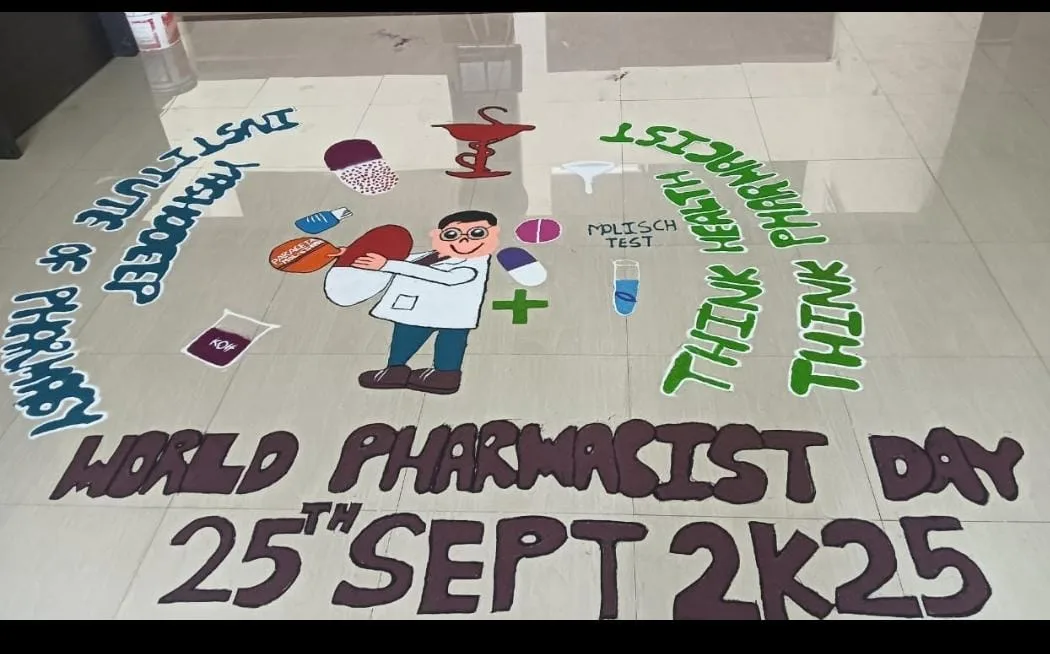
World Pharmacist Day – Rangoli Competition 2025
Date: 22nd September 2025
World Pharmacist Day – Rangoli Competition 2025
Date: 22nd September 2025
Occasion: World Pharmacist Day 2025
Venue: Yashodeep Institute of Pharmacy, Chhatrapati Sambhajinagar
Theme: “Pharmacist: Trusted for Your Health”
The competition was graced by Hon. Chairman Shri Chandrakant Yeole, Administrative Officer Shri Shyam Kulkarni, Academic Dean Shri Milind Kulkarni, Principal Dr. Amanpreet Kaur Dumda, and HR & Finance Head Mrs. Aarti Bangad. Their inspiring words motivated students to showcase their talent with enthusiasm.
Event Highlights
Students from D.Pharm and B.Pharm programs participated enthusiastically, creating rangolis that depicted:
1. Importance of pharmacy in healthcare
2. Rational use of medicines
3. Role of pharmacists in community well-being
The judges evaluated entries based on creativity, color harmony, theme relevance, and presentation. Winners were felicitated with certificates during the concluding ceremony.
Winners:
1. 1st Rank – Arya Tekale, http://B.Pharm 1st Year
2. 2nd Rank – Prerana Huse, http://B.Pharm 3rd Year
3. 3rd Rank – Aarti Sureji, http://B.Pharm 1st Year
Conclusion
Coordinated by the Cultural Committee with support from faculty and non-teaching staff, the event successfully fostered artistic skills while strengthening students’ connection to the pharmacy profession. It blended creativity with health awareness in a unique celebration.
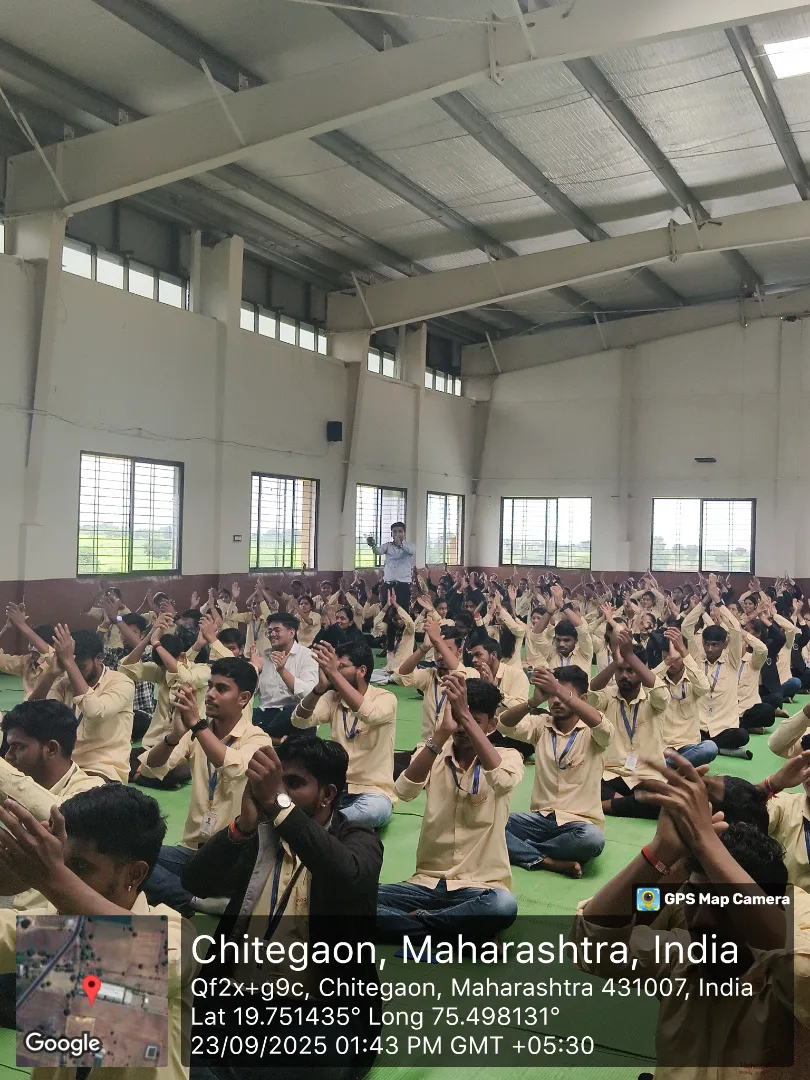
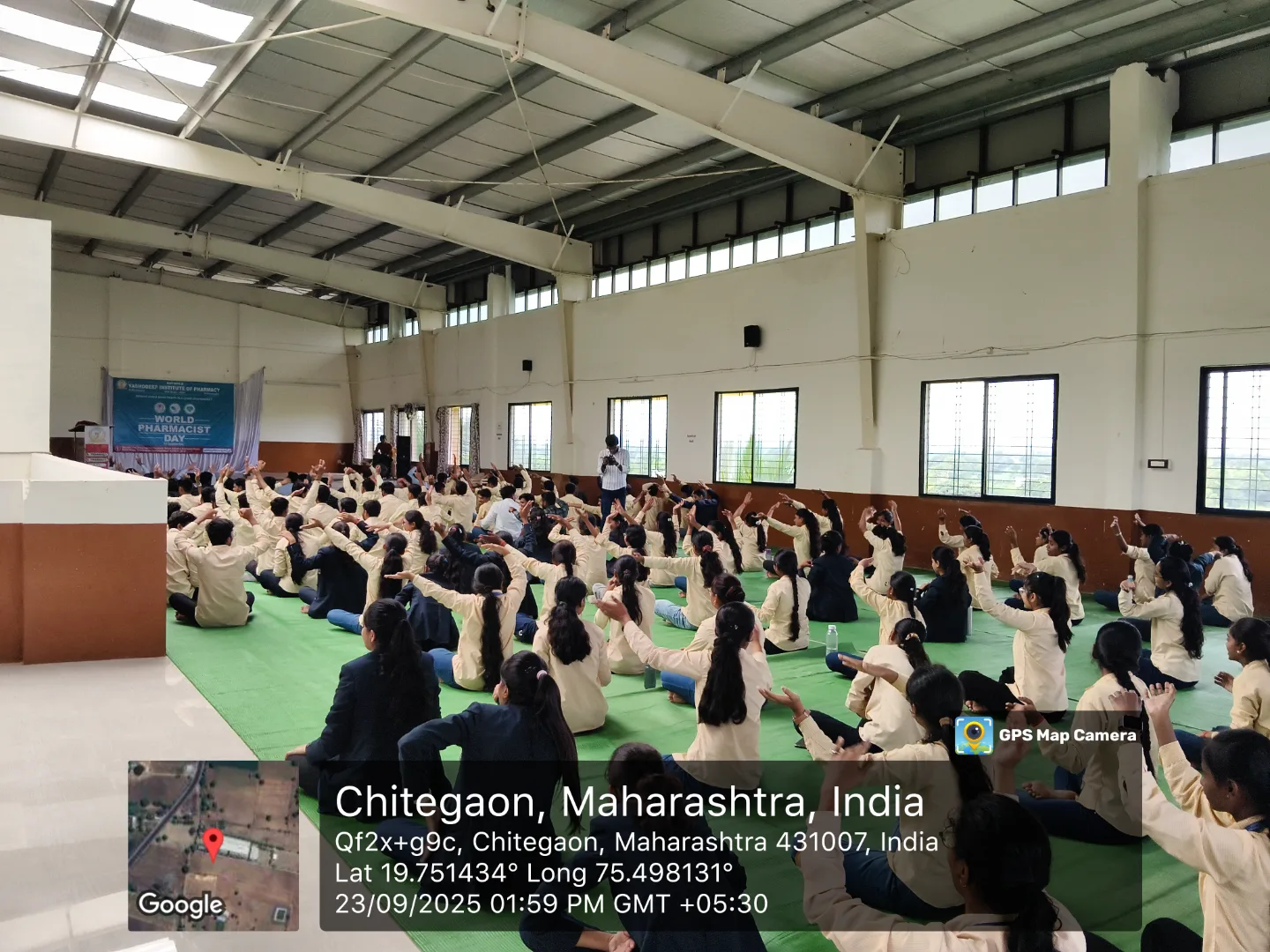
Report on : "Say Yes to Zindagi" – Mental Health Event
Date: 23rd September 2025, Reported on 24/09/2025
Occasion: Pharmacist Day Week
Venue: Yashodeep Institute of Pharmacy
Theme: Mental Health and Emotional Well-being
Introduction
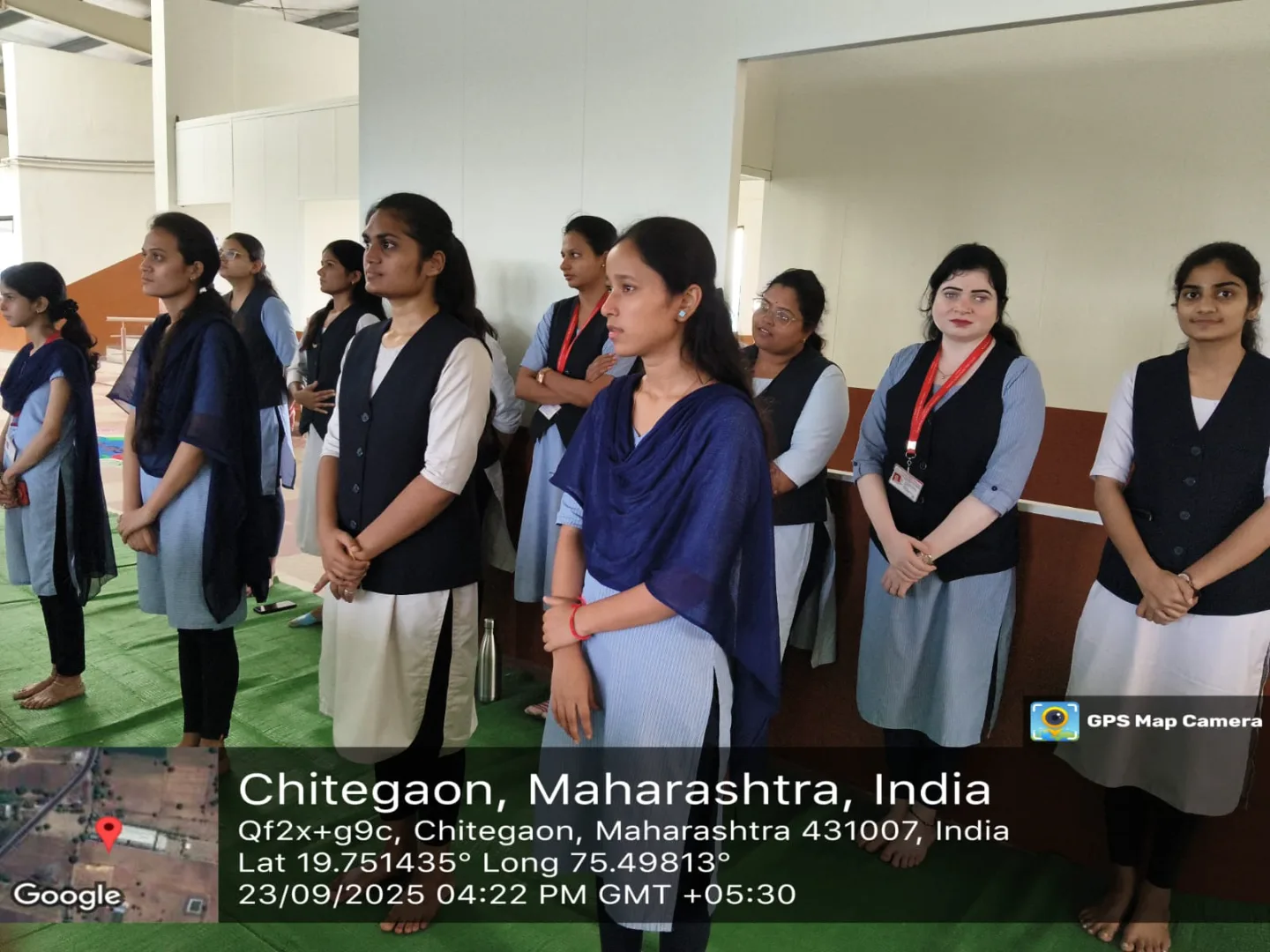
To commemorate Pharmacist Day, the institute organized “Say Yes to Zindagi,” a thought-provoking event focused on mental health awareness, stigma reduction, and encouraging individuals to prioritize emotional well-being.
> “Life is 10% what happens to you and 90% how you react to it.” — Charles R. Swindoll
Key Highlights
1. Expert Talk: Renowned mental health professional Mr. Jay Upase delivered an insightful session on the importance of mental well-being and strategies for a healthy mind.
2. Panel Discussion: Mental health professionals, students, and individuals with lived experience shared perspectives on challenges and the importance of seeking help.
3. Interactive Sessions: Mindfulness exercises, stress management techniques, and group discussions fostered community and connection.
Key Takeaways
- Mental Health Matters: Integral to overall well-being and must be prioritized.
- Reduce Stigma: Open conversations about mental health must be encouraged.
- Self-Care: Practicing self-care, seeking help, and building support networks are crucial.
Conclusion
The event successfully promoted mental health awareness. By encouraging everyone to “Say Yes to Zindagi,” the institute aims to build a more supportive and inclusive community.
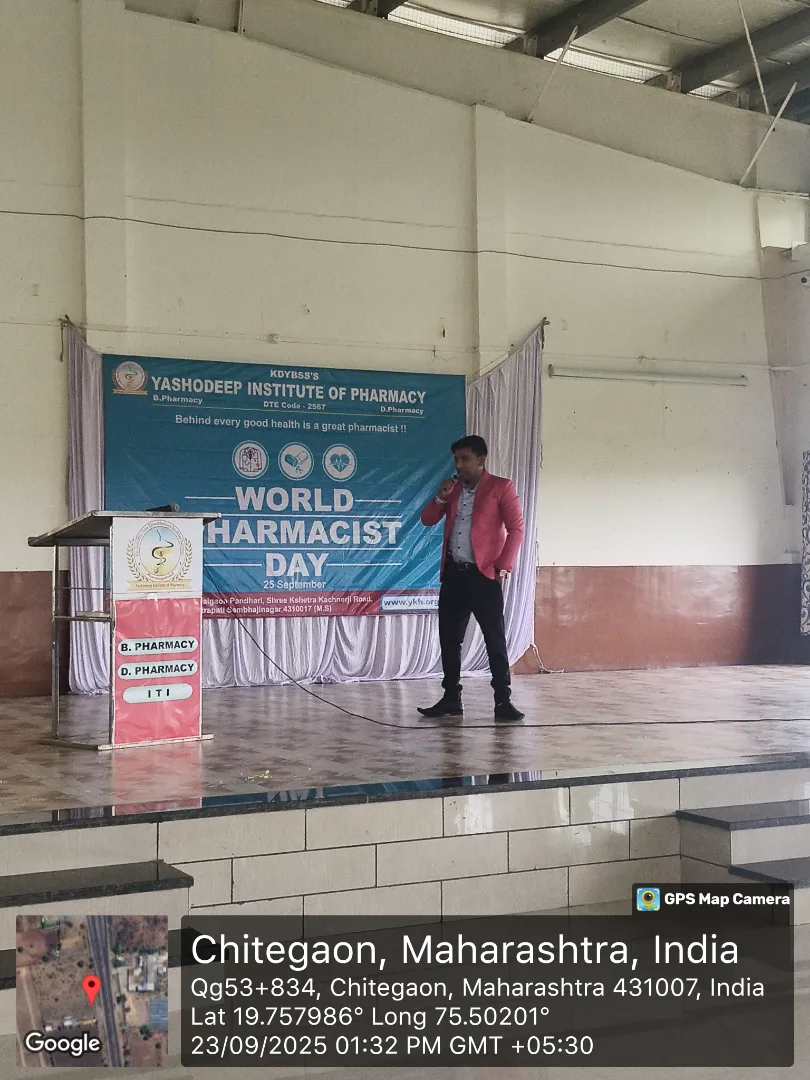
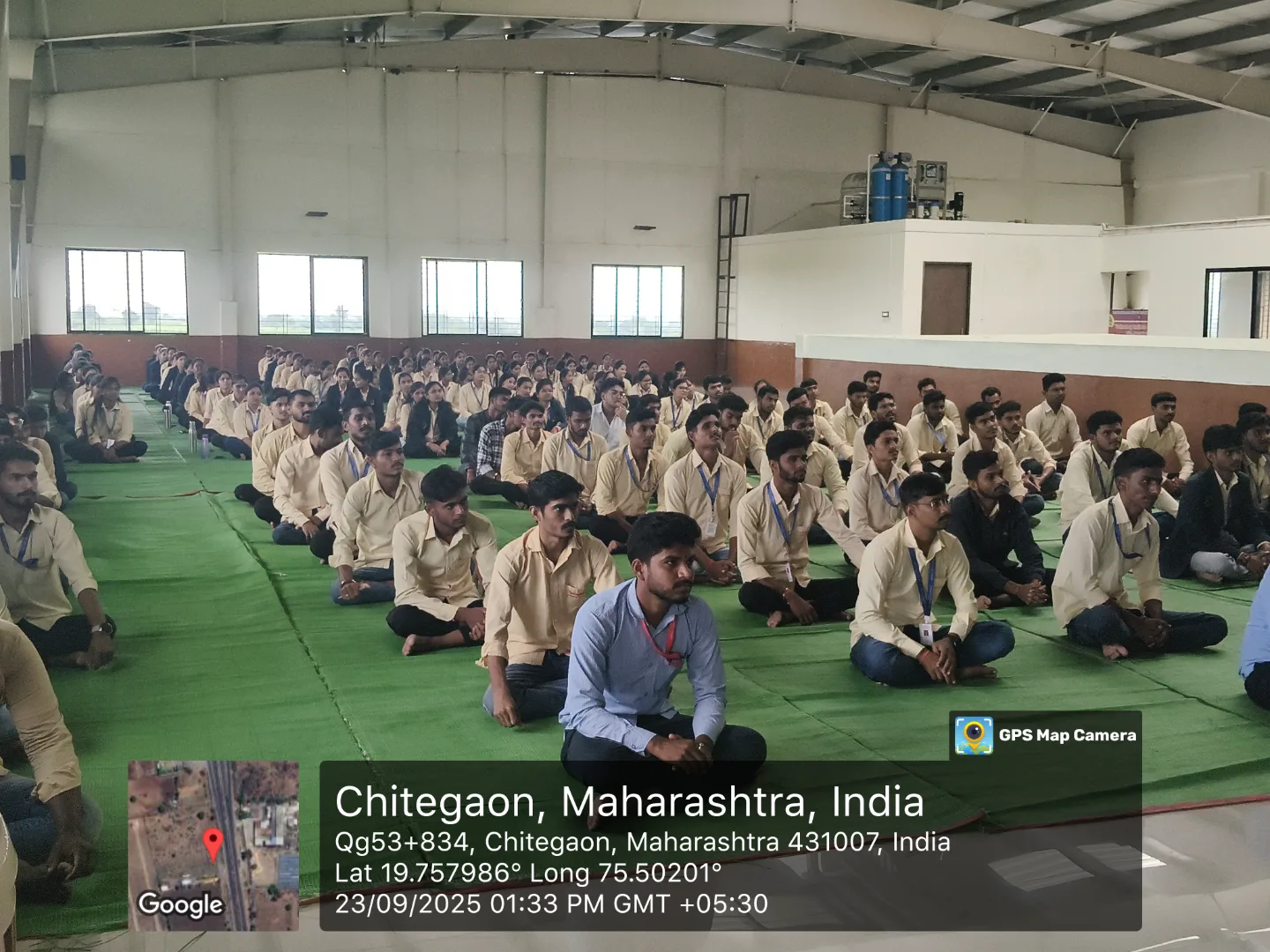
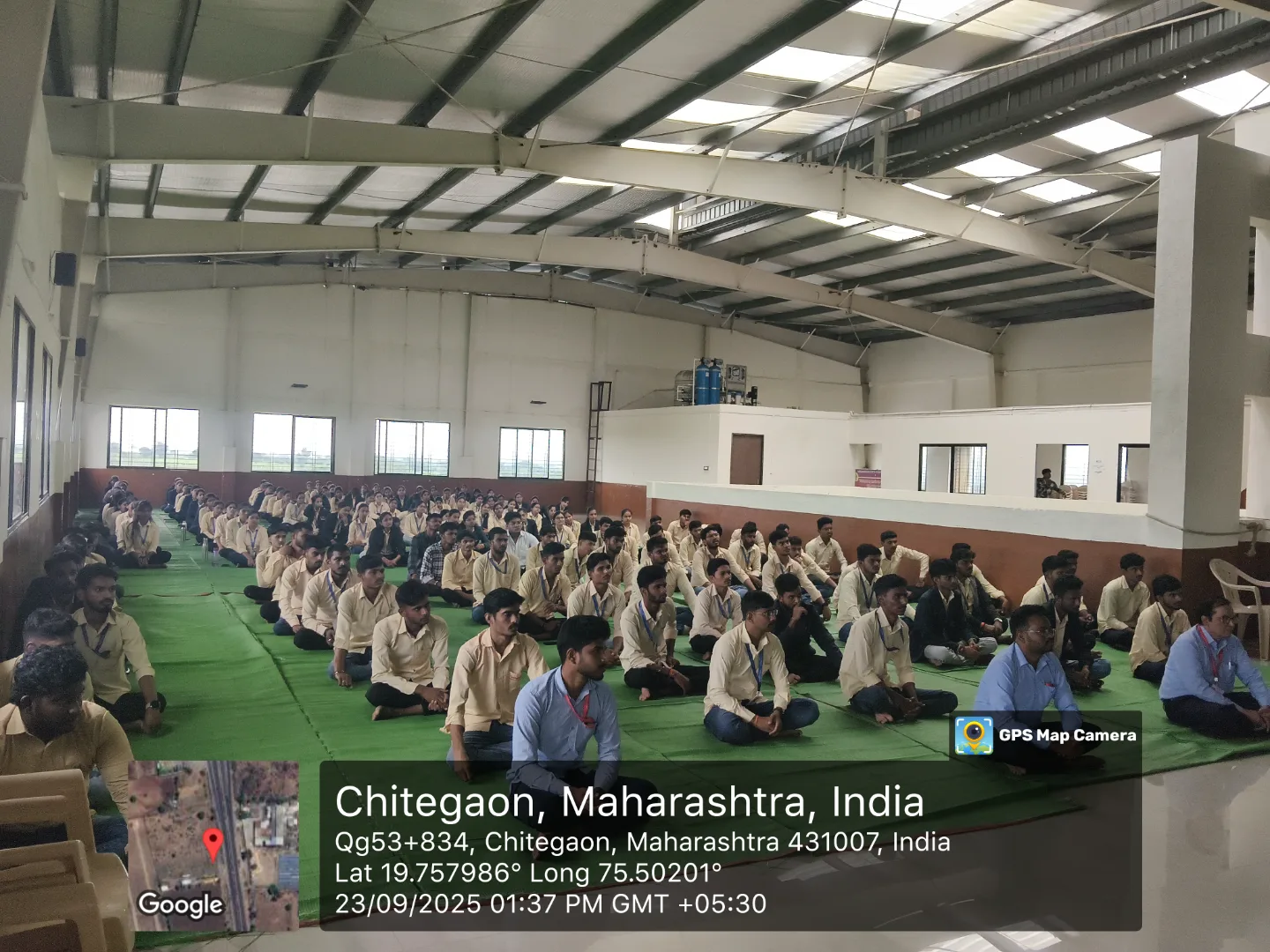
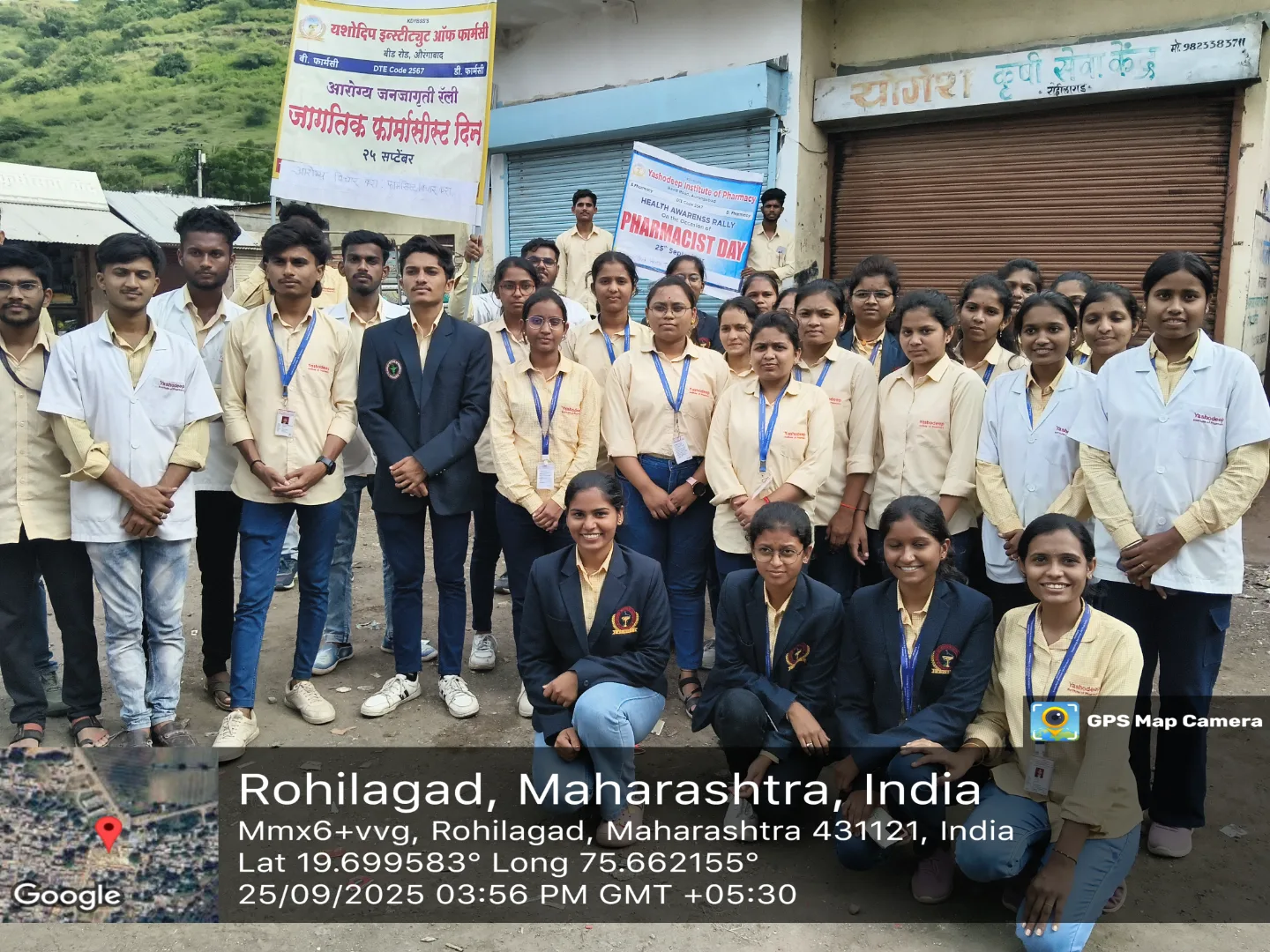
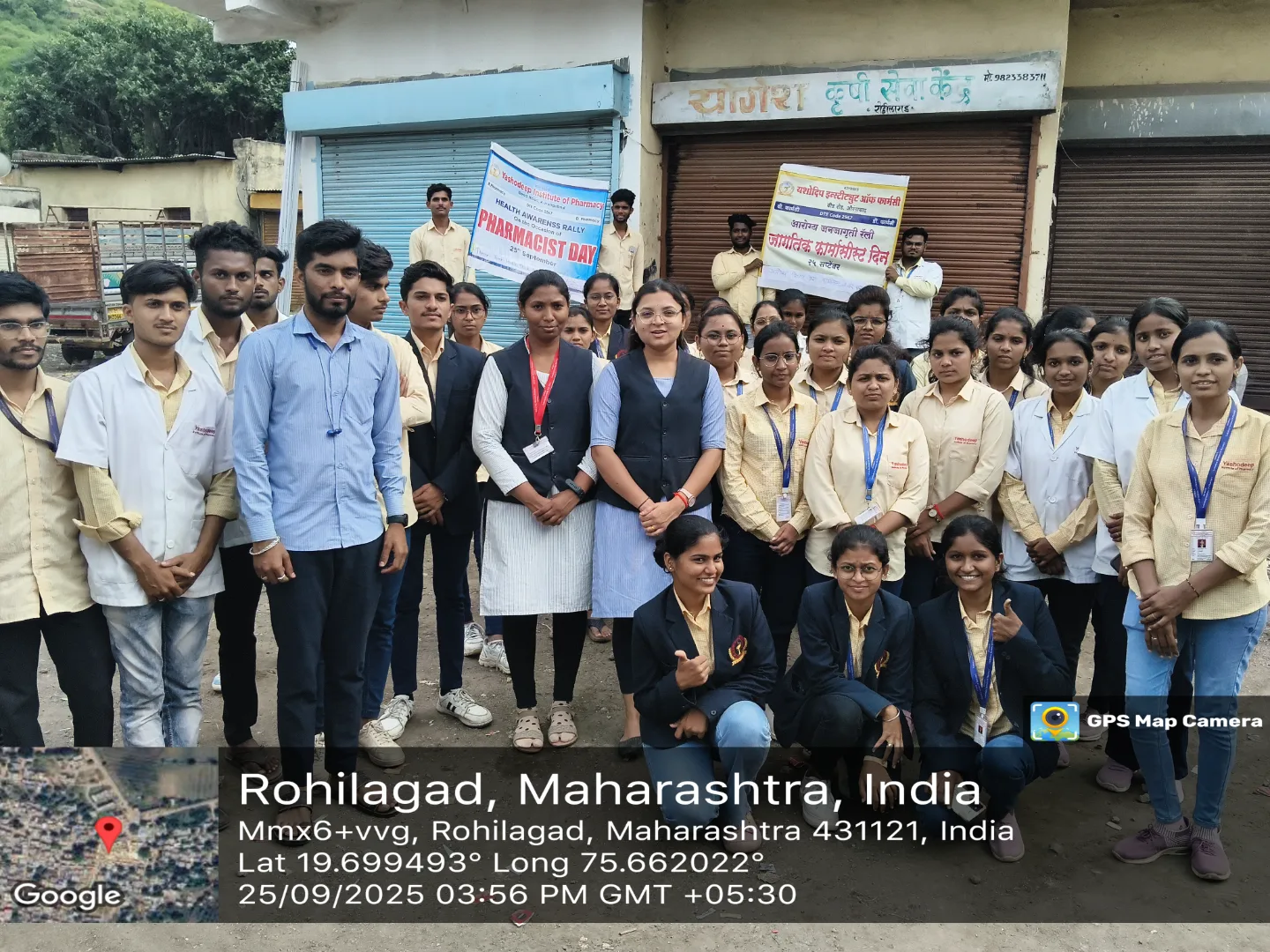
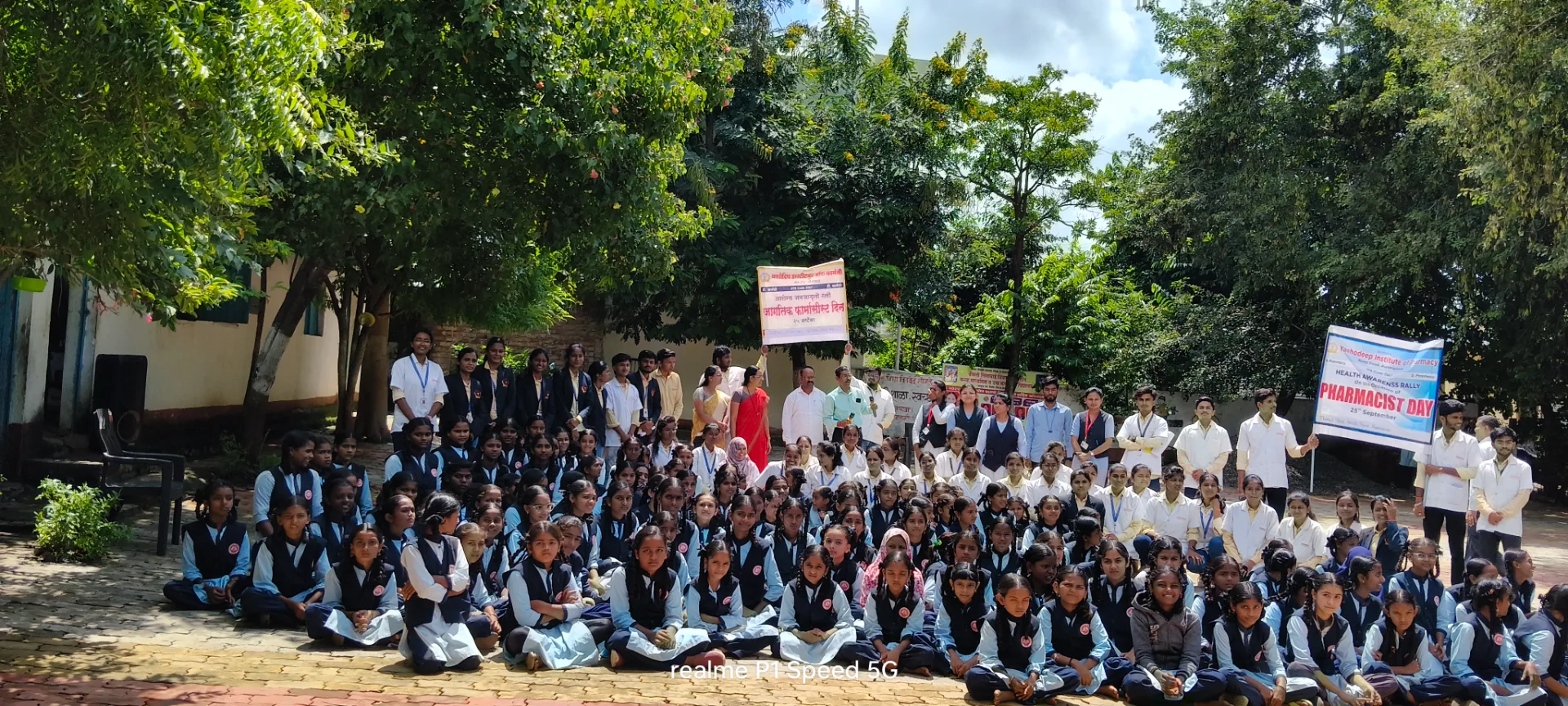
REPORT: 64th World Pharmacist Day 2025
Date: 25th September 2025
Venue: Yashodeep Institute of Pharmacy, Chhatrapati Sambhajinagar
Global Theme: “Think Health, Think Pharmacist”
FIP Initiative: Highlighting pharmacists’ role in sustaining qualified health workforces amid global healthcare challenges.
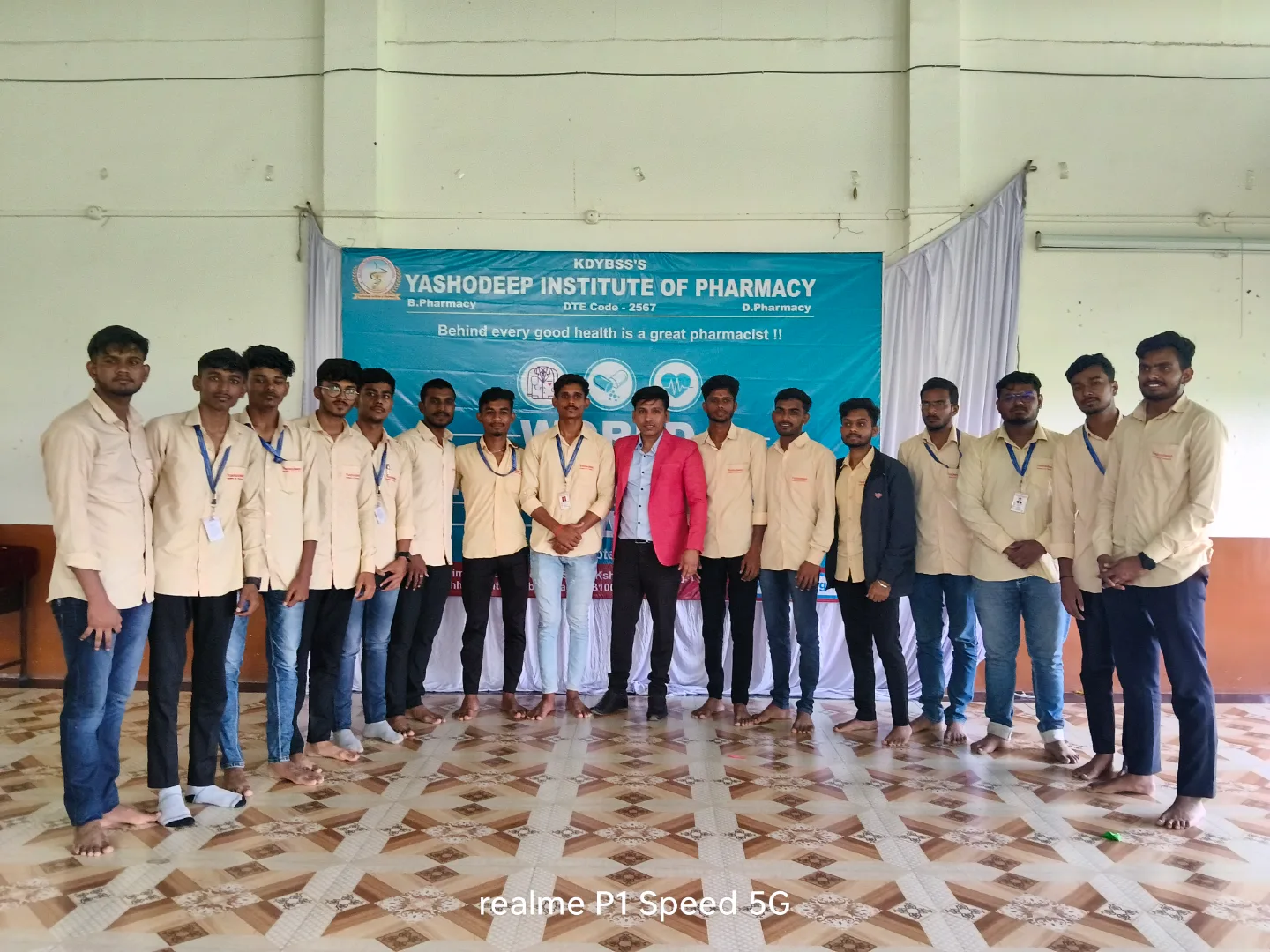
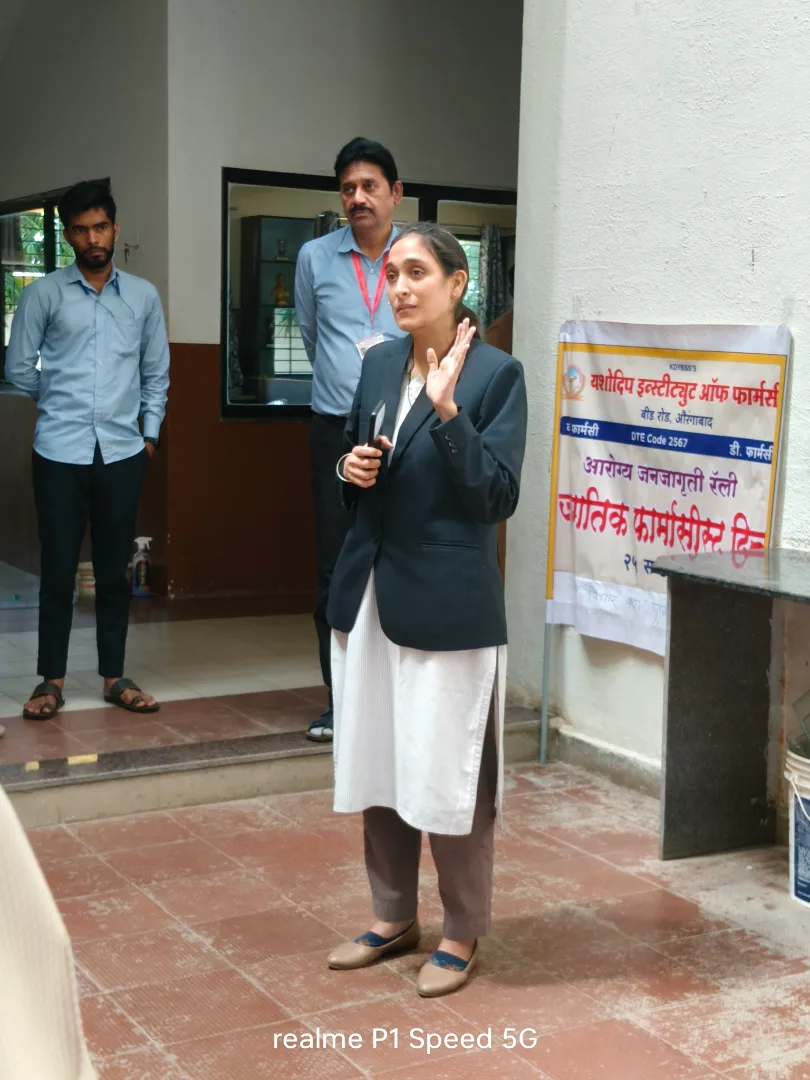
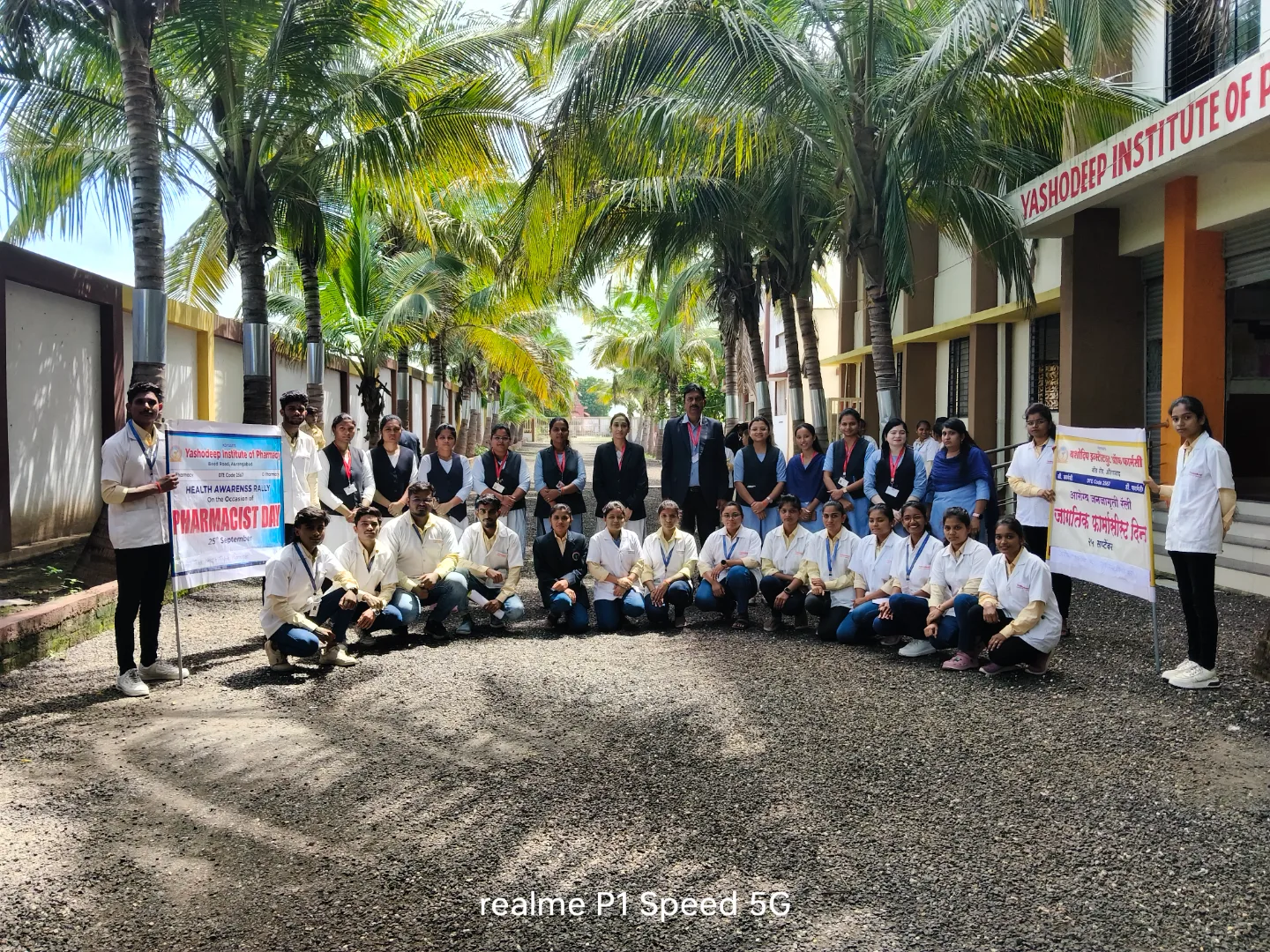
The 64th World Pharmacist Day was celebrated with great zeal on September 25, 2025 at Yashodeep Institute of Pharmacy . The program commenced with a prayer and ceremonial lamp lighting by dignitaries, symbolizing the spread of knowledge.
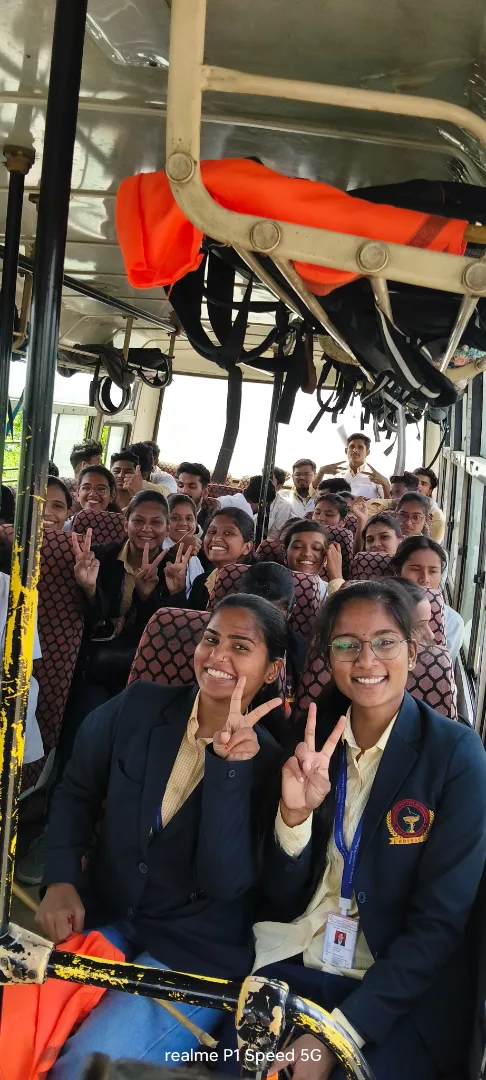
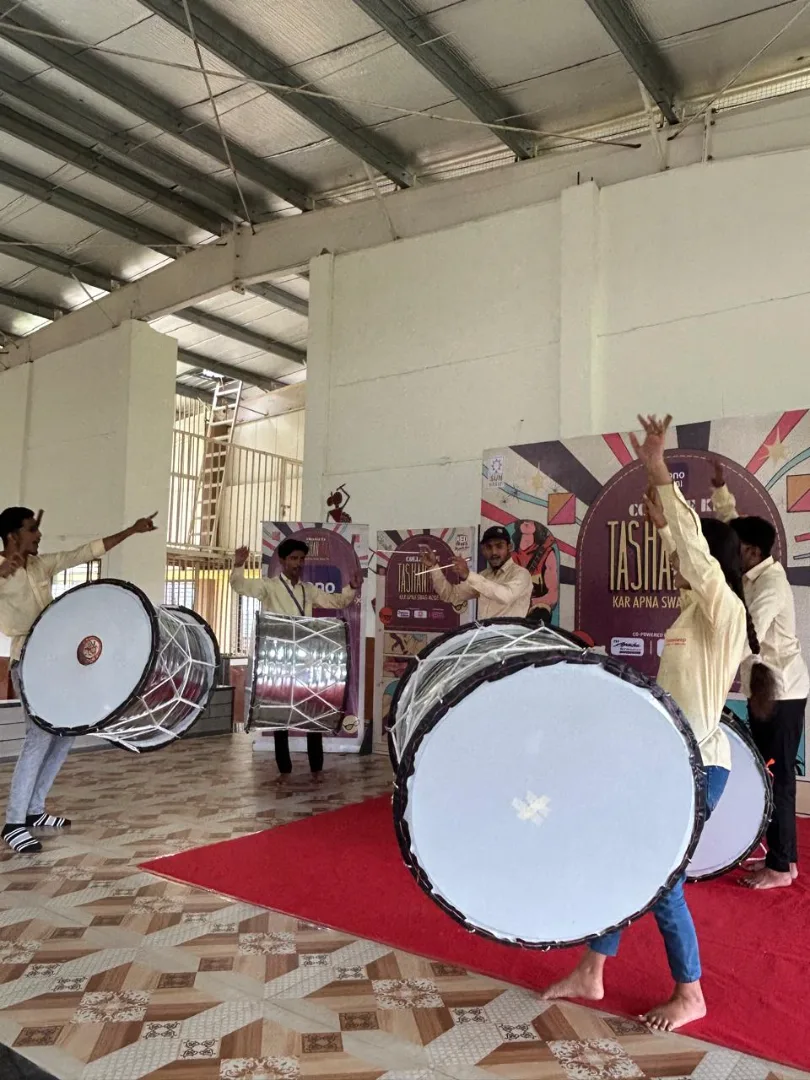
Street Show & Awareness Campaign | 27th September 2025
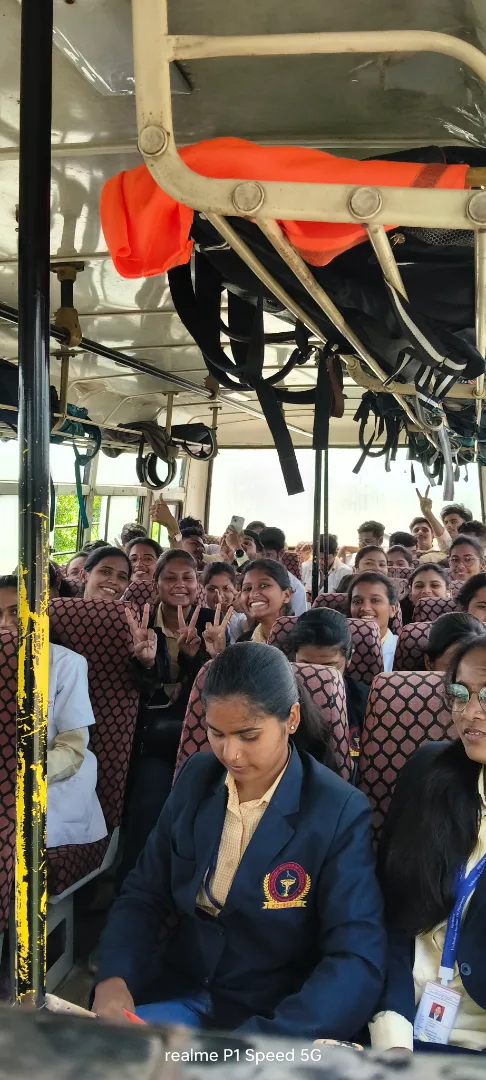
A vibrant street show and Swacchata Rally were organized at Kanya Vidyalaya Adul & Rohilagad to educate the public on:
Theme 1: Misuse of “Spiritual Drugs”
- Message: “Spirituality is clarity, not intoxication.”
- Scene: A youth misled into substance abuse under religious pretexts is counseled by a pharmacist and guided to rehabilitation.
- Impact: Pharmacists portrayed as educators and counselors, not just dispensers.
Theme 2: Role of Pharmacists & Generic vs Branded Drugs
- Key Messages: Pharmacists ensure safe medication use, explain dosage/side effects, and bridge doctors and patients.
- Scene: A pharmacist explains to a family that generic drugs are equally safe, effective, and affordable as branded drugs.
- Street Play: Dramatization of antibiotic misuse corrected by a pharmacist; helping a rural family manage chronic disease medication.
Conclusion
The celebration effectively communicated that investing in pharmacists creates safer, sustainable health systems. It called for stronger integration of pharmacists into health strategies for a healthier future.
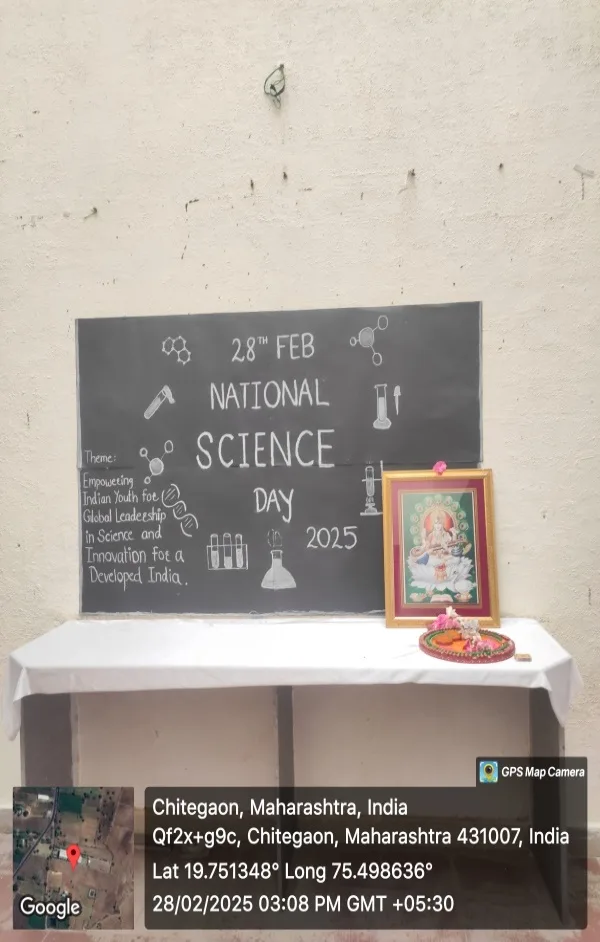
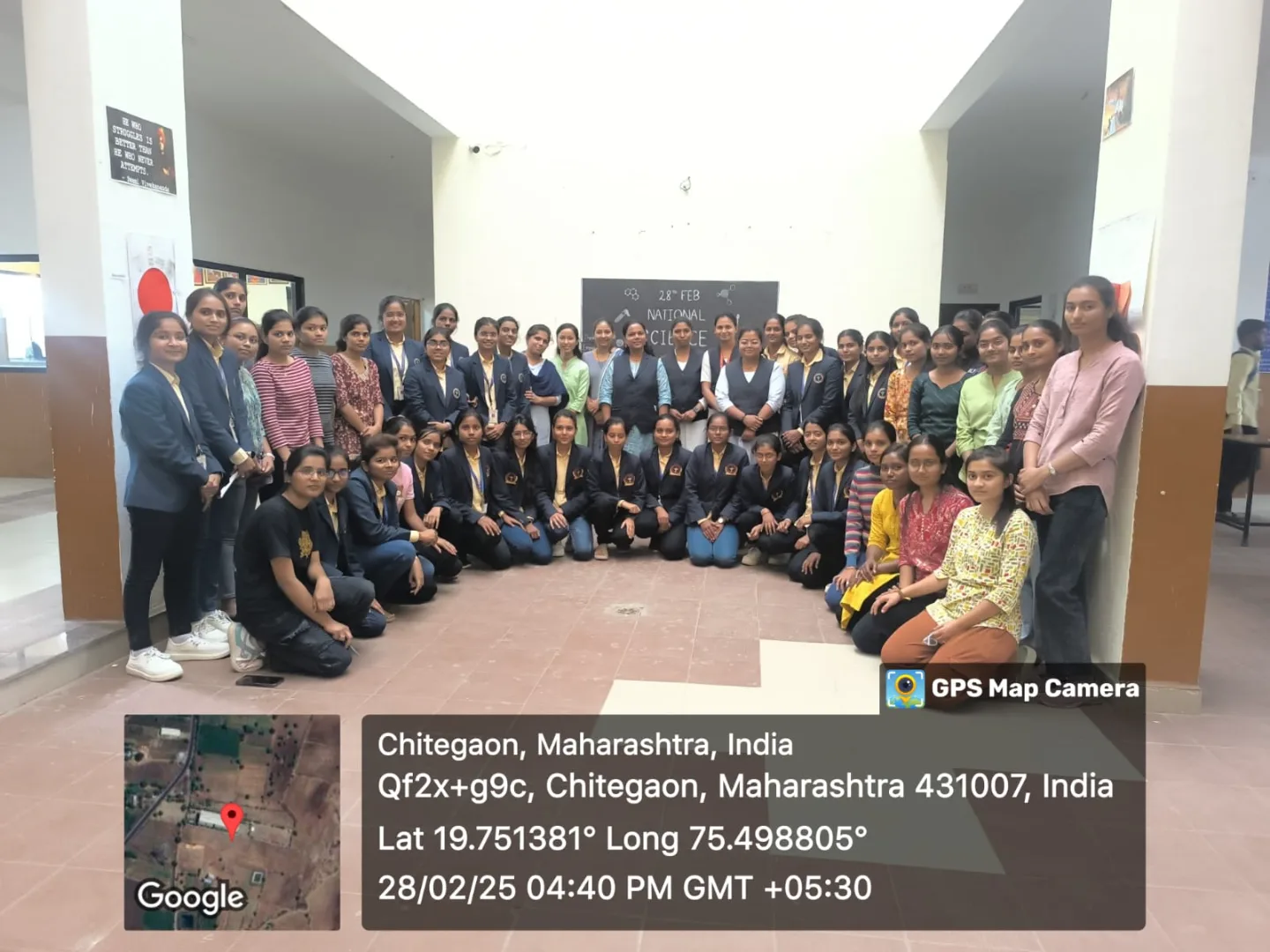
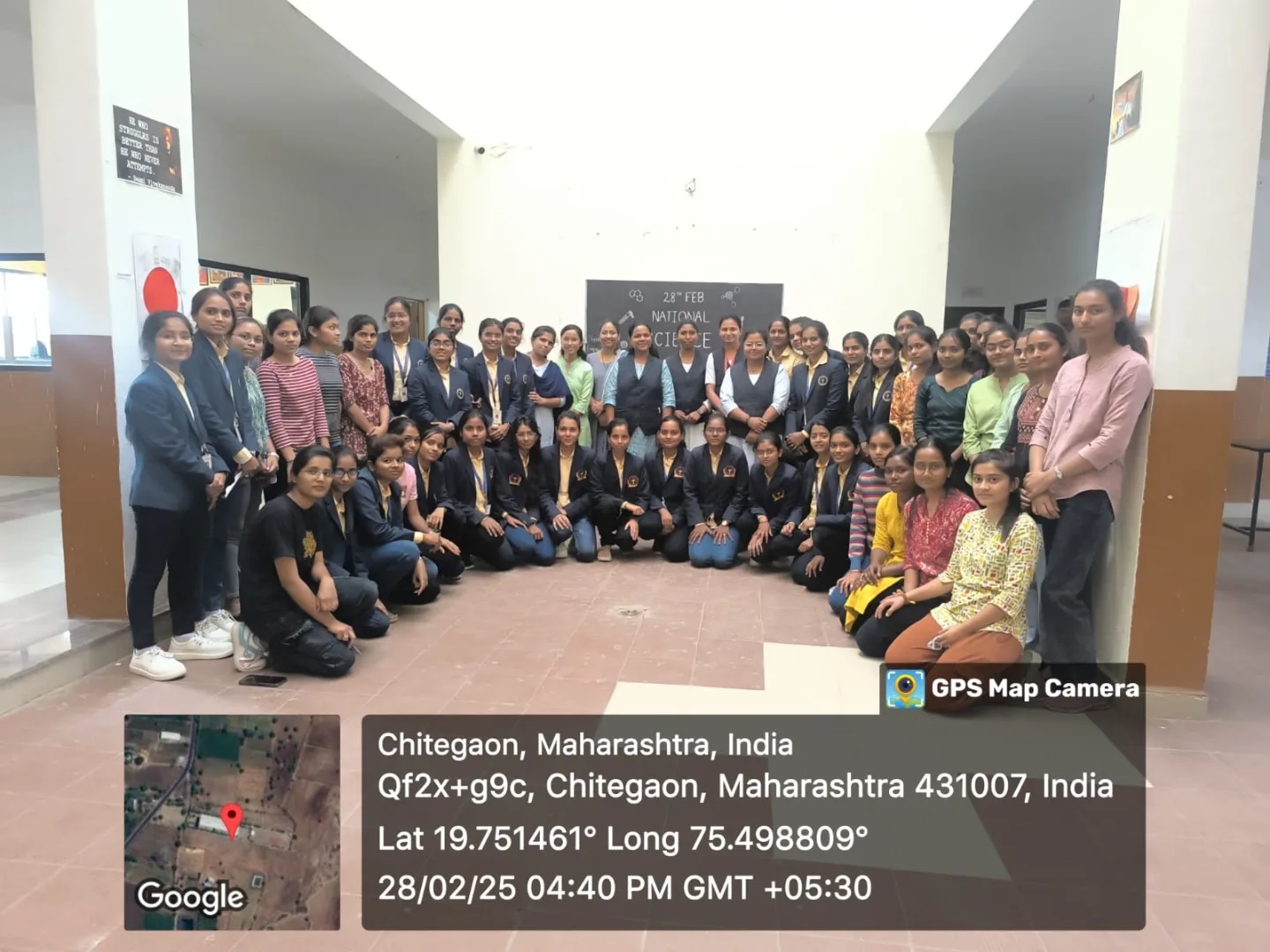
Date: 28th February 2025
Venue: YKH Auditorium
Date: 28th February 2025
Venue: YKH Auditorium
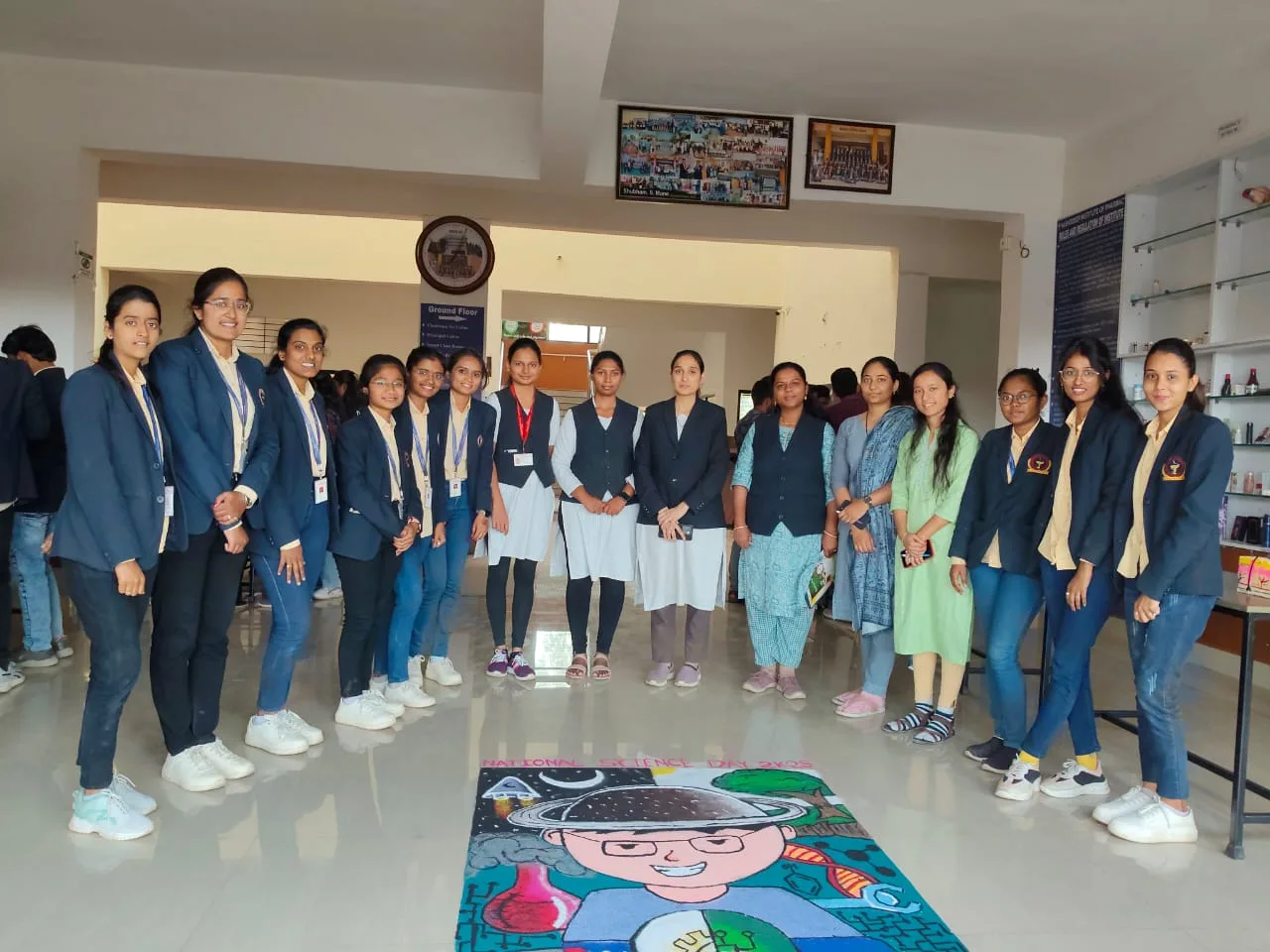
Theme: “Empowering Indian Youth for Global Leadership in Science & Innovation for Viksit Bharat”
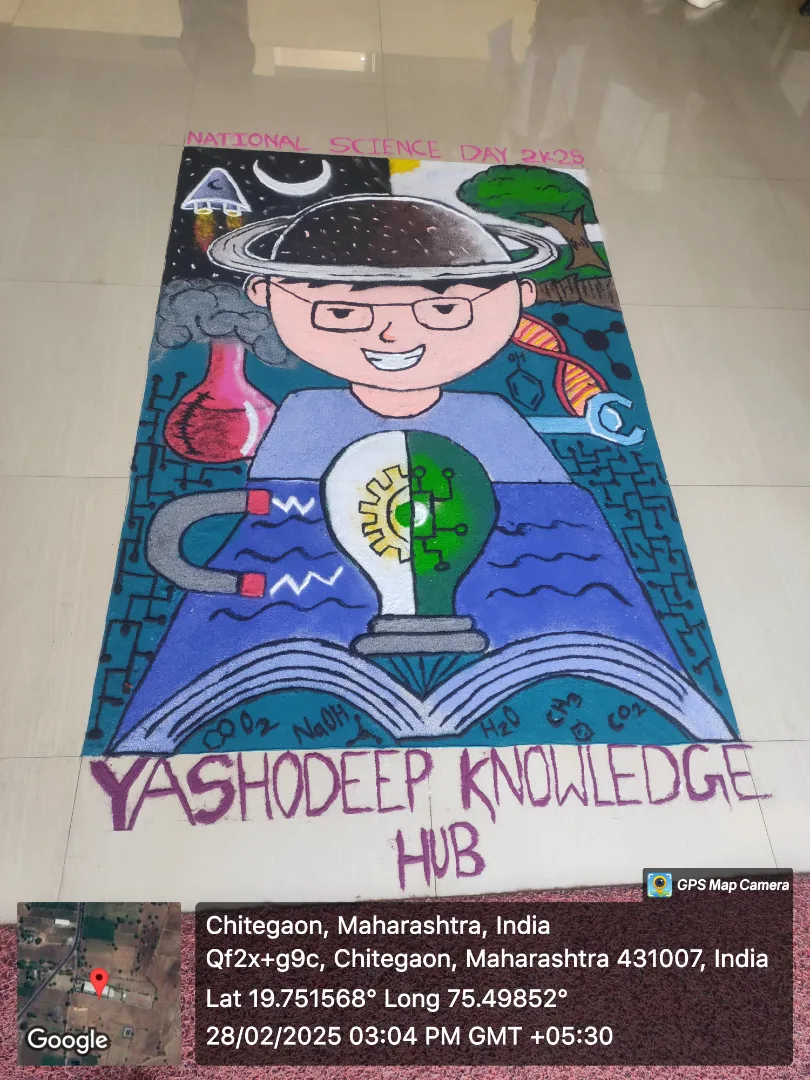
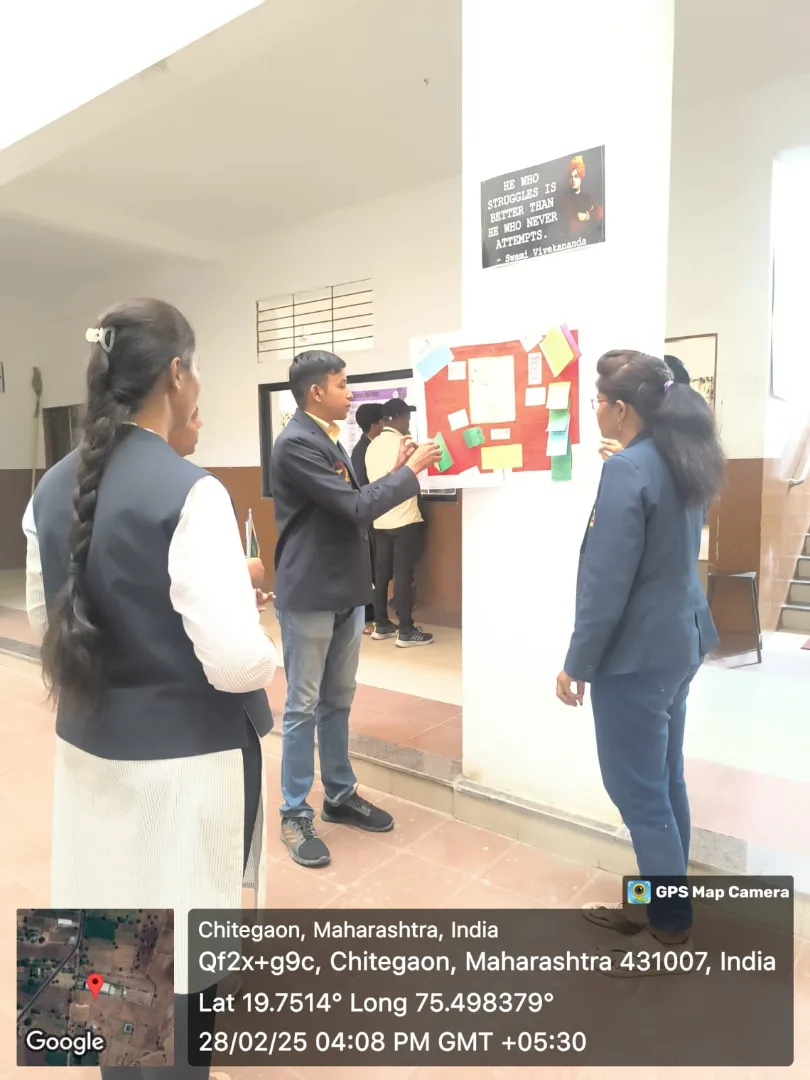
To mark the occasion, The institute organized inter-departmental competitions aimed at promoting research, innovation, and scientific communication among students. The event was graced by Hon. Chairman Shri Chandrakant Yeole, Respected Administrative Officer Shri Shyam Kulkarni, Ms. Aarti Bangad, and Principal Dr. Amanpreet Kaur Dumda. Their presence motivated students and reinforced the institute’s commitment to research and innovation.
Events were evaluated by Principal Dr. Amanpreet Kaur Dumda and a panel of faculty evaluators.
Competition Categories & Topics:
1. Poster Presentation
- Clinical Trials & Research in Pharmacy
- Phytochemical Analysis of Medicinal Plants
- Chromatography & Spectroscopy
- Structure-Activity Relationship Studies of Bioactive Molecules
- Pharmacokinetic & Pharmacodynamic Studies of New Drug Molecules
- Cellular Changes in Disease: Normal vs. Affected Cells
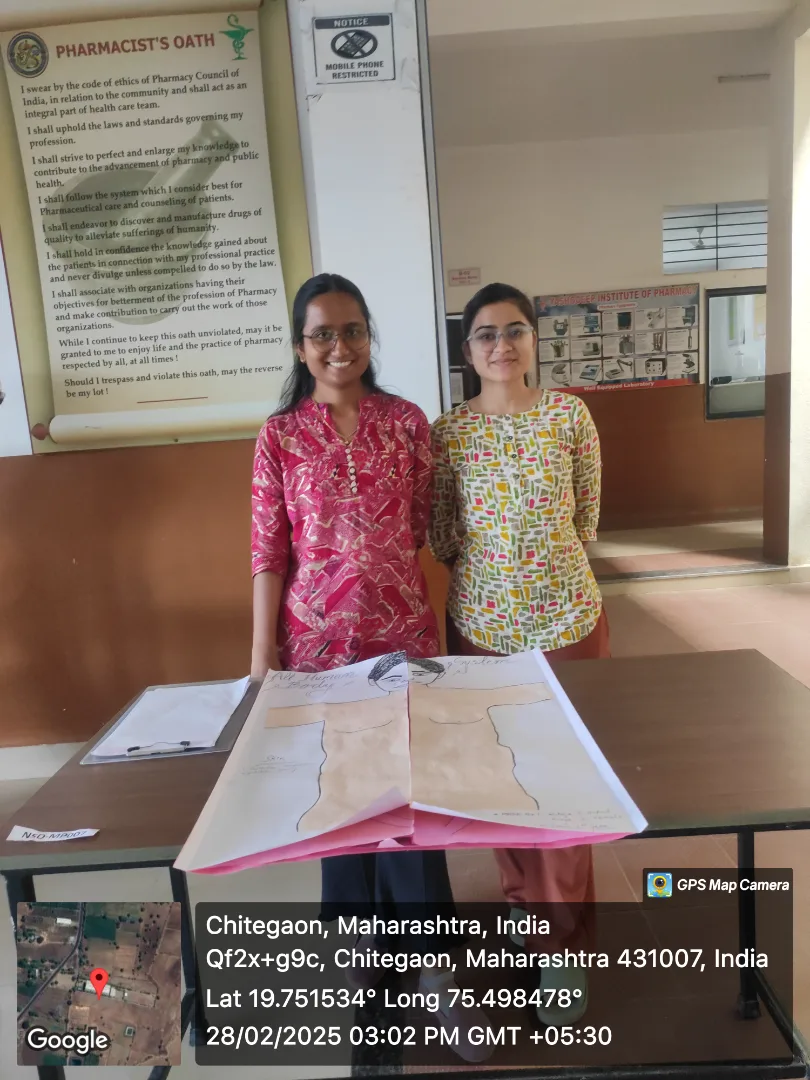
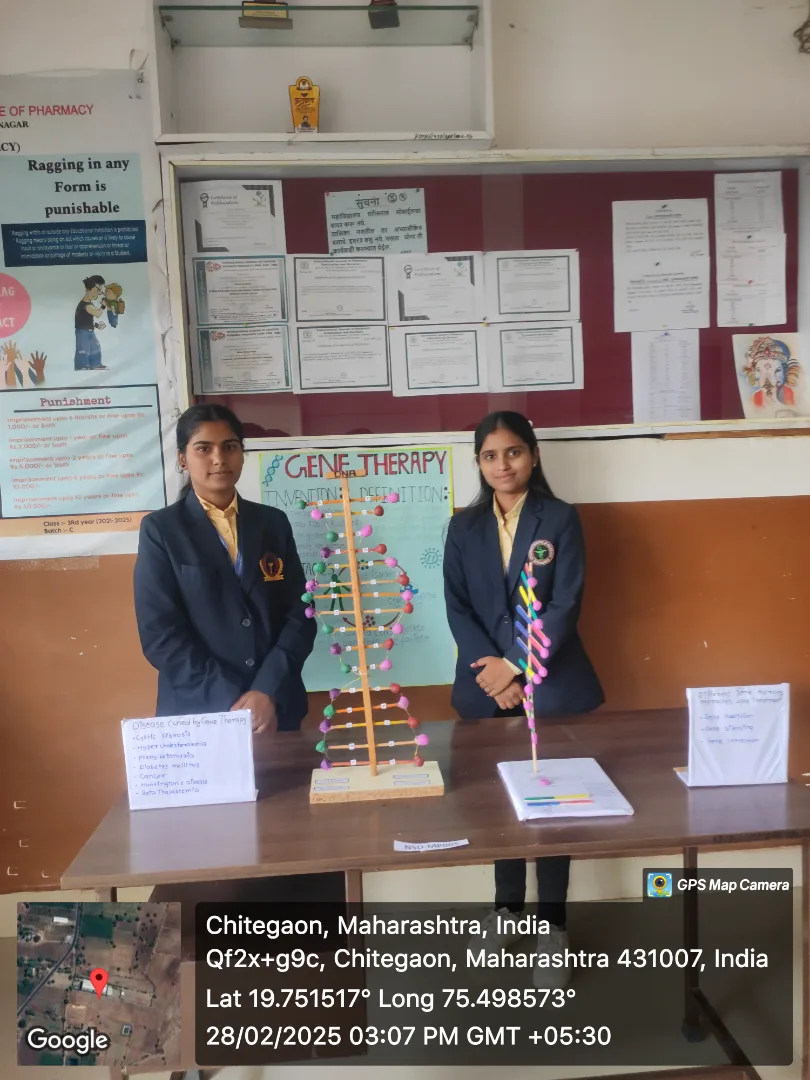
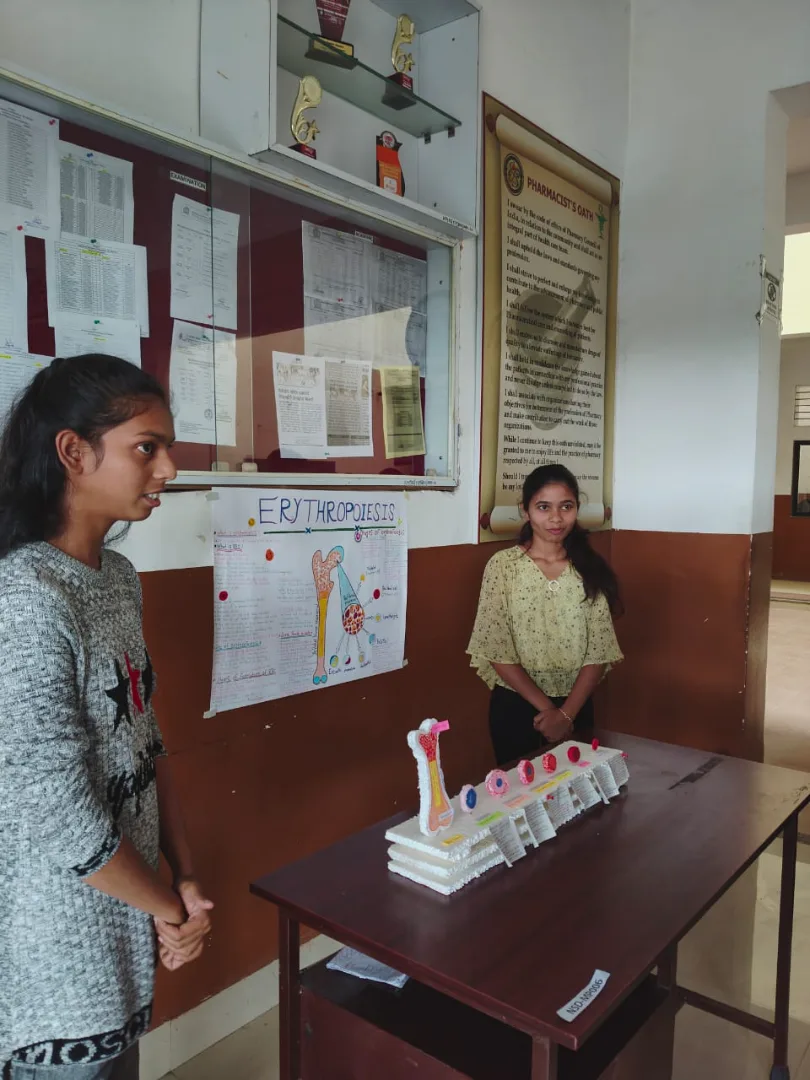
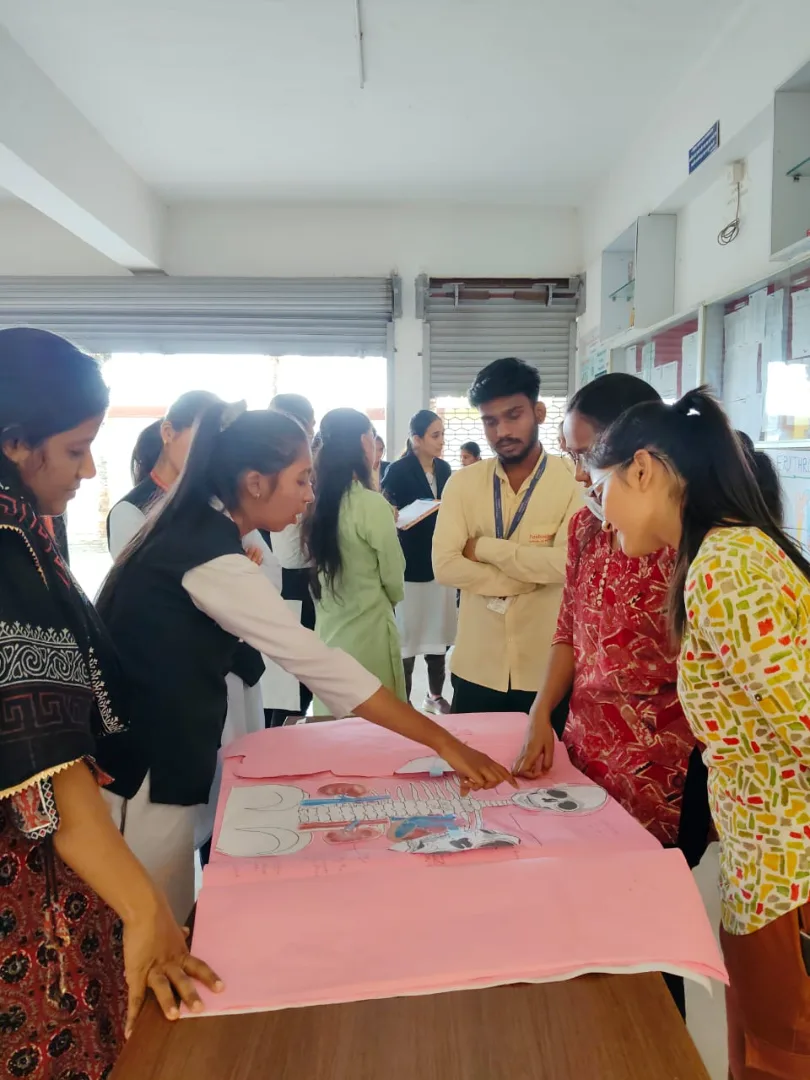
2. Model Presentation
- Pharmacy Compounding Laboratory Model
- Novel Drug Delivery System Design
- Gene Therapy Models
- Public Health Models – Human Organs/Tissues
- Pharmaceutical & Analytical Instrument Models
3. PowerPoint Presentation
- Nanotechnology in Drug Delivery
- Drug Discovery and Development
- Sustainable Drug Development
- Molecular Docking
- Pharmacovigilance
Students showcased their research, working prototypes, and innovative solutions through visually engaging posters, detailed models, and impactful presentations, embodying the spirit of scientific inquiry.
Conclusion
The National Science Day 2025 celebration at Yashodeep Institute of Pharmacy witnessed enthusiastic participation from students and faculty. The event successfully promoted scientific awareness, encouraged innovation, and fostered healthy academic competition. It reinforced the critical role of youth in achieving the mission of Viksit Bharat through leadership in science and technology.
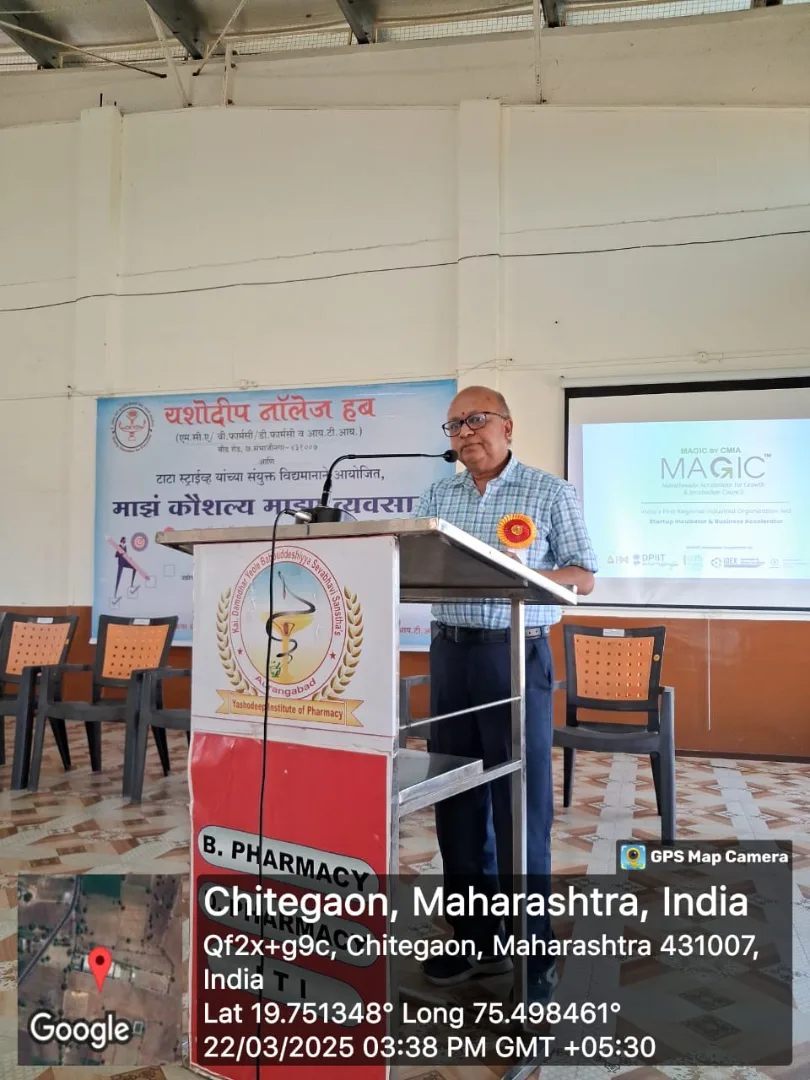
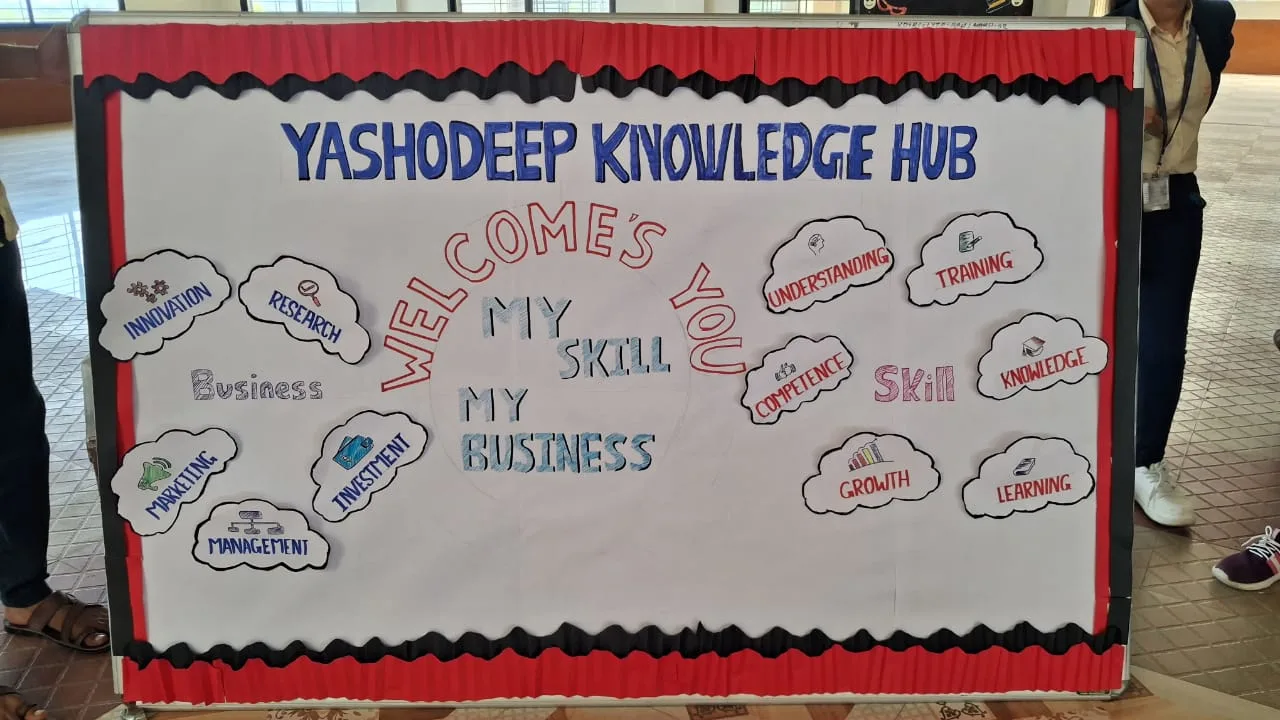
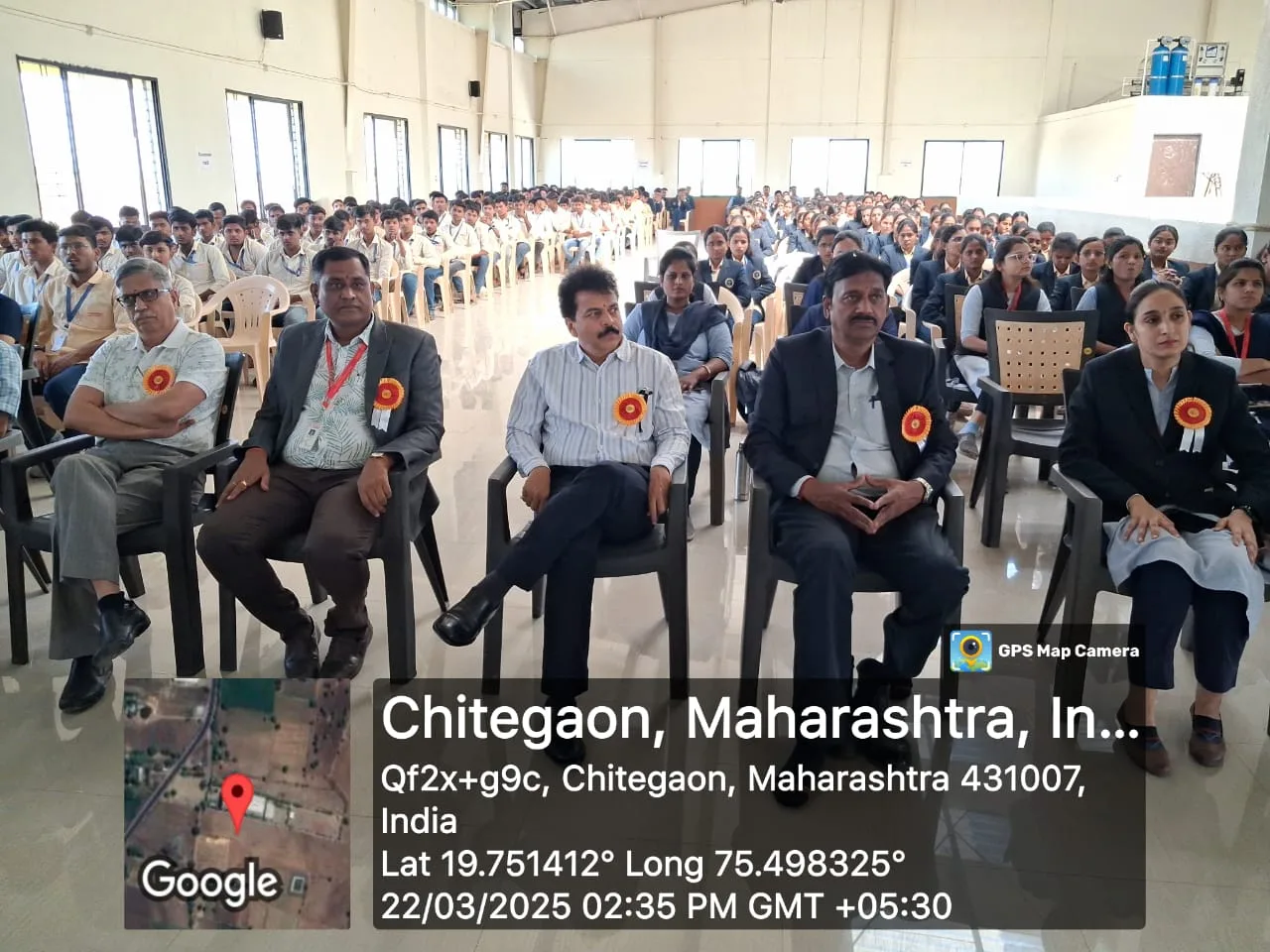
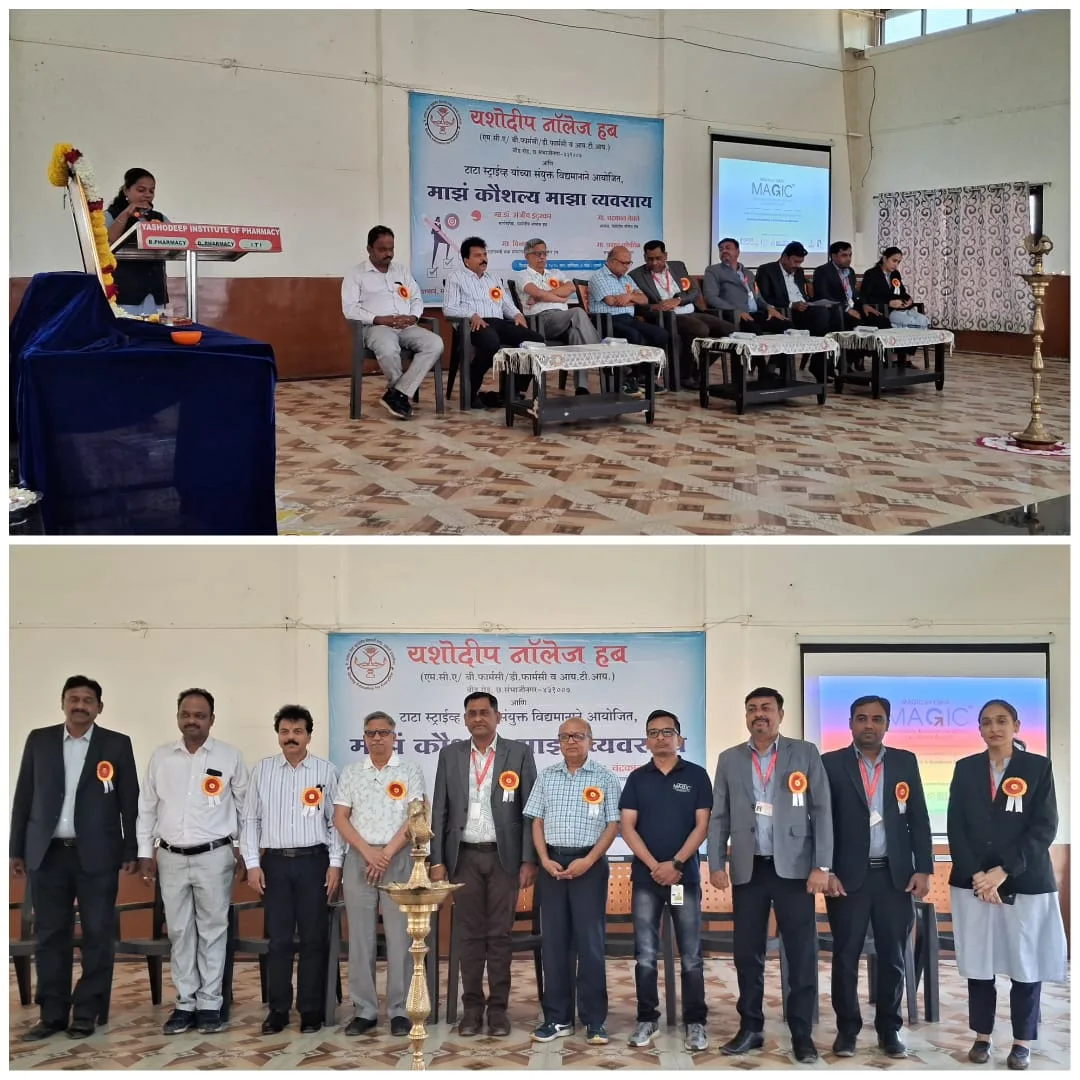
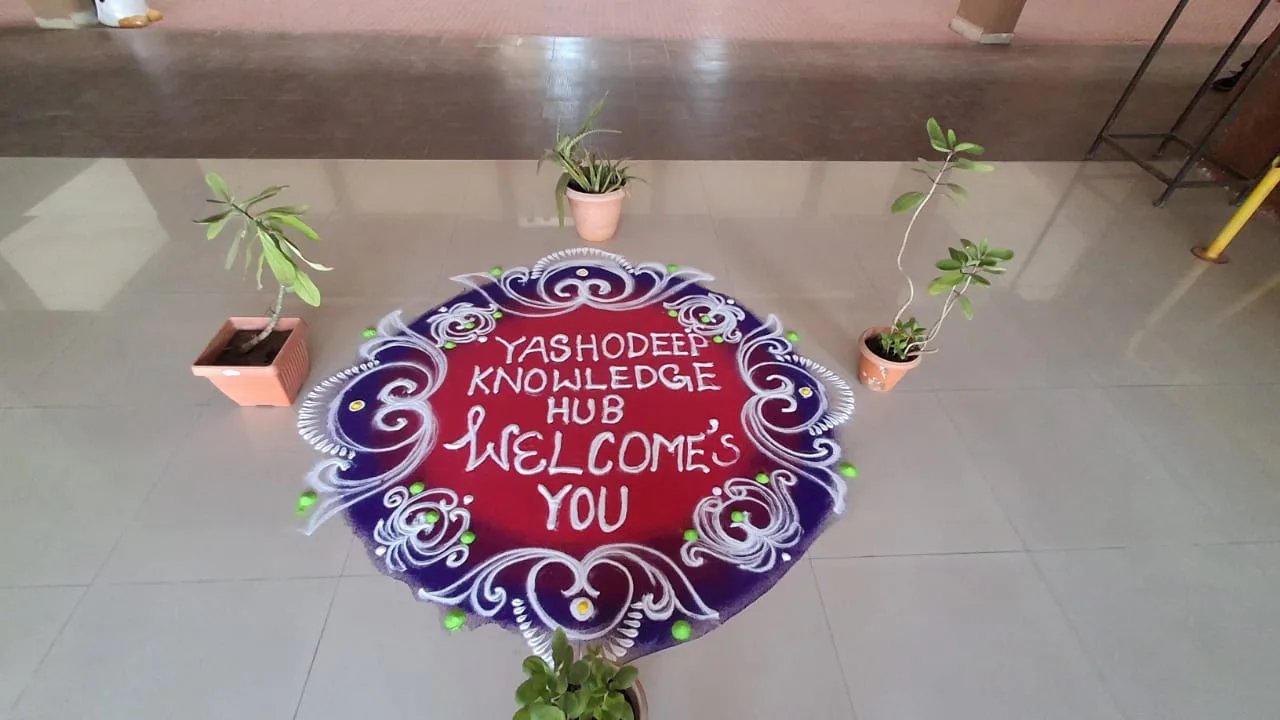
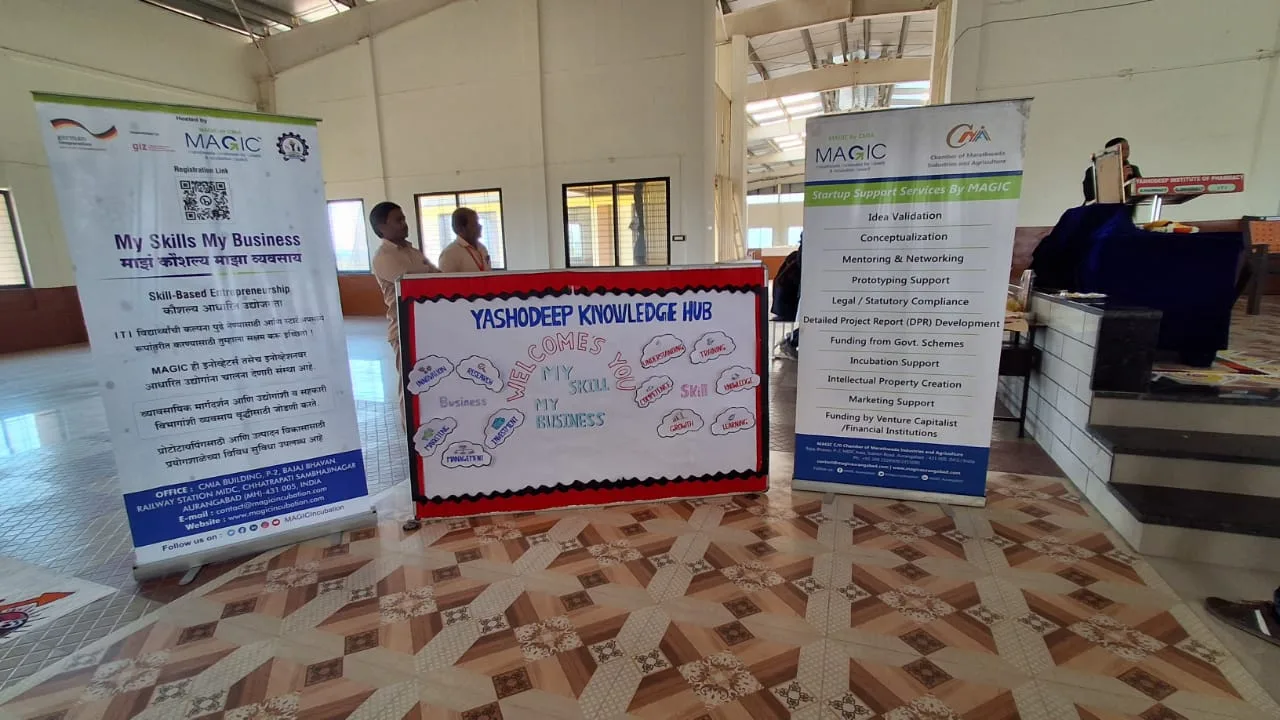
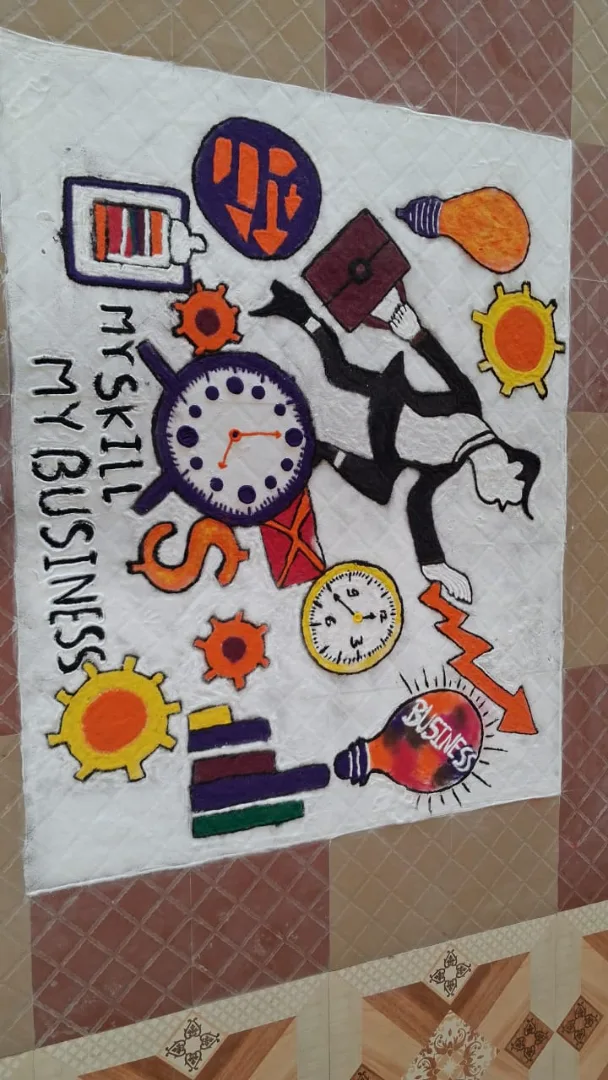
Yashodeep Knowledge Hub organized a successful event focused on skill development and business. The guest lecture aimed to empower entrepreneurs and small business owners to leverage their skills to build successful businesses.
Yashodeep Knowledge Hub organized a successful event focused on skill development and business. The guest lecture aimed to empower entrepreneurs and small business owners to leverage their skills to build successful businesses.
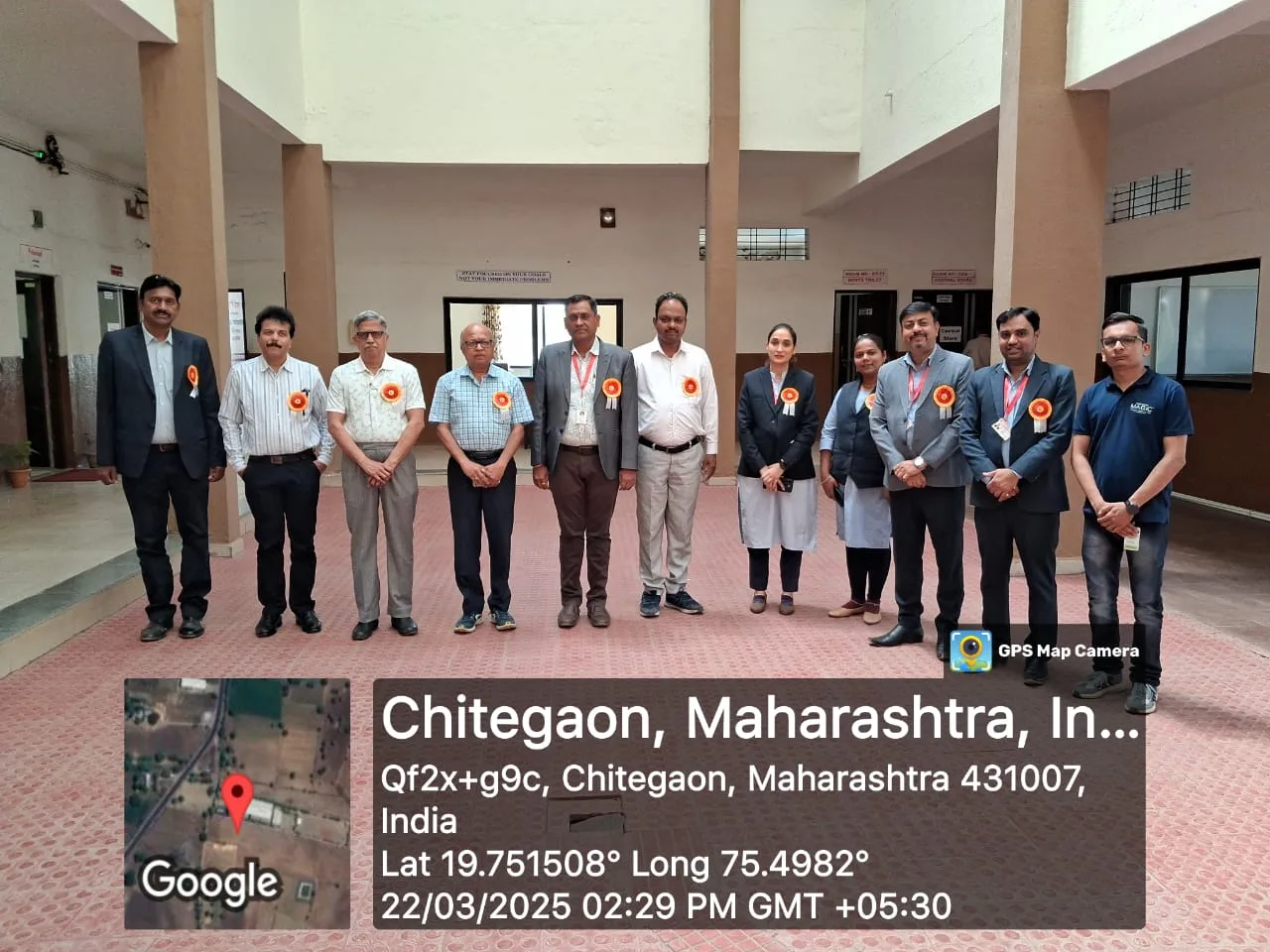
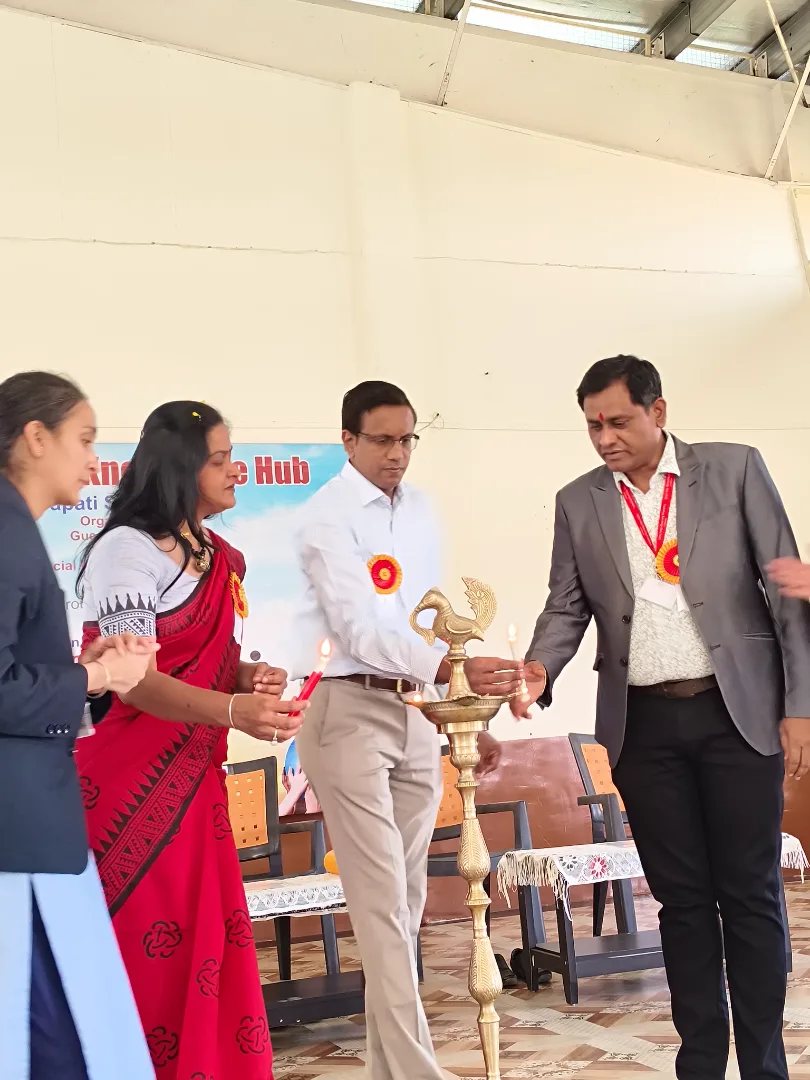
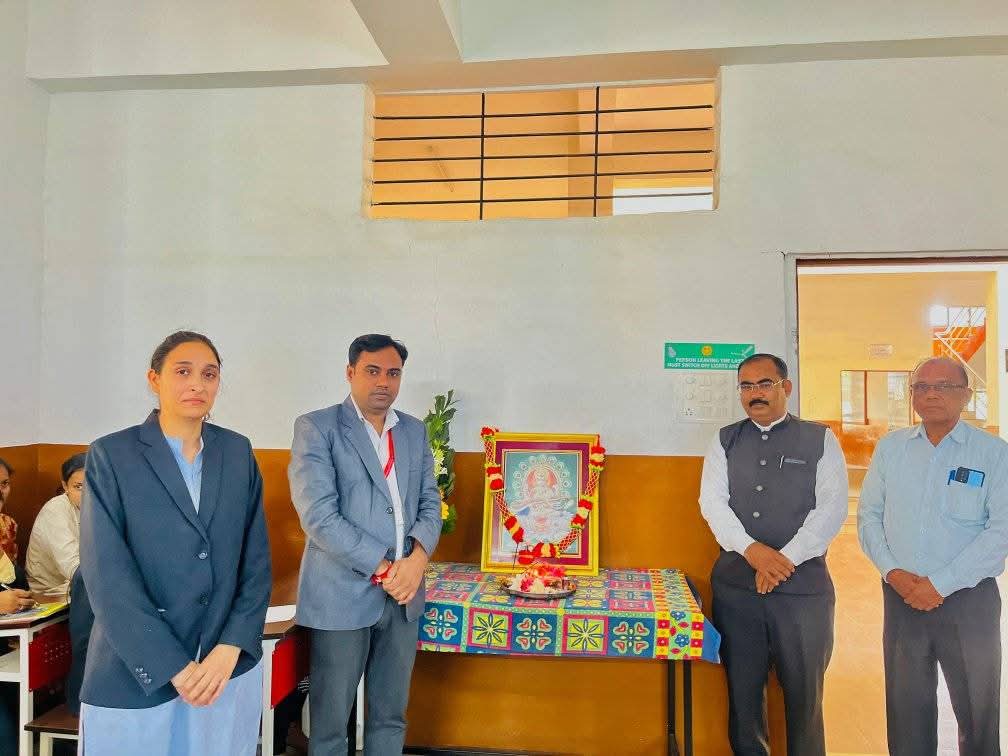
The event began with Saraswati Pujan and lamp lighting, followed by a welcome address. Dignitaries present included:
- Dr. Sanjiv Indurkar
- Mr. Vinay Joshi
- Mr. Chandrakant Yeole
- Mr. Prasad Kokil
- Mr. Sudarshan Dharurkar
- Mr. Krushna Tekpal
- Mr. Shyam Kulkarni
- Mr. Millind Kulkarni
- Mr. Pravin Mali
- Amanpreet Kaur Dumda
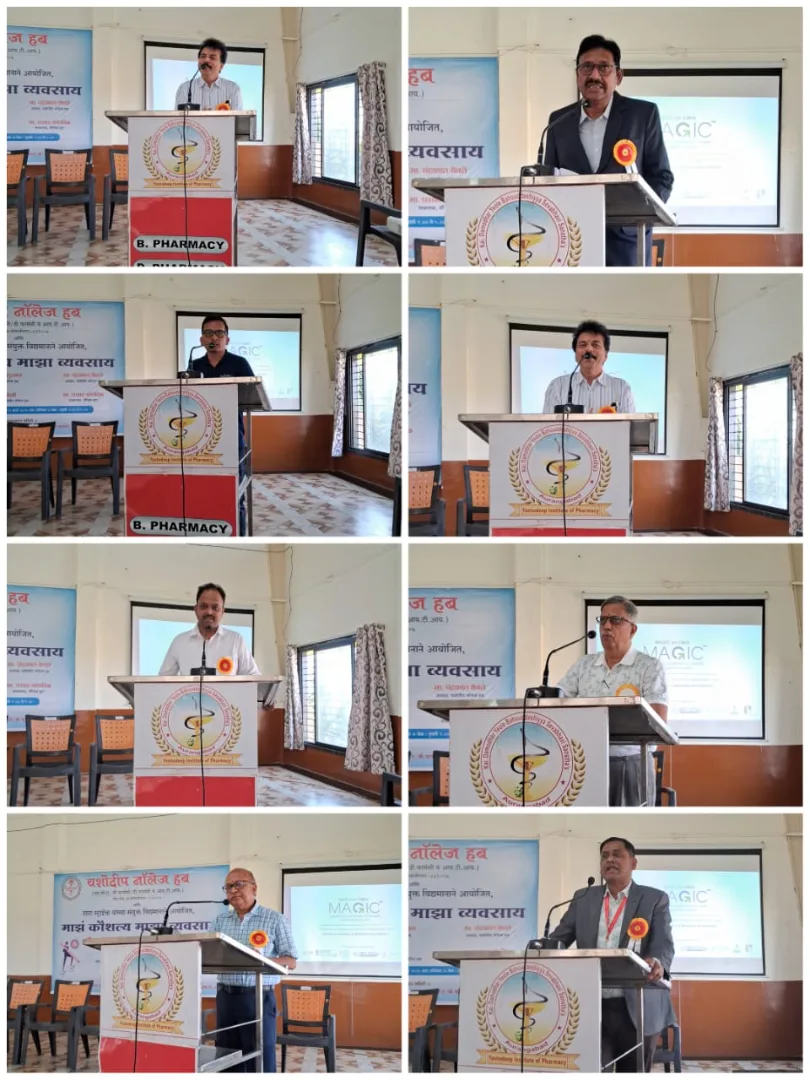
Key speakers shared their insights:
- Mr. Sudarshan Dharurkar motivated students with his experiences.
- Mr. Krushna Tekale presented on Magic Group and market status.
- Mr. Prasad Kokil(Director, Magic Group) guided attendees to understand their strengths and create a successful business.
The event concluded with a speech by Hon. Chairman Chandrakant R. Yeole and a vote of thanks, providing valuable insights and inspiration.
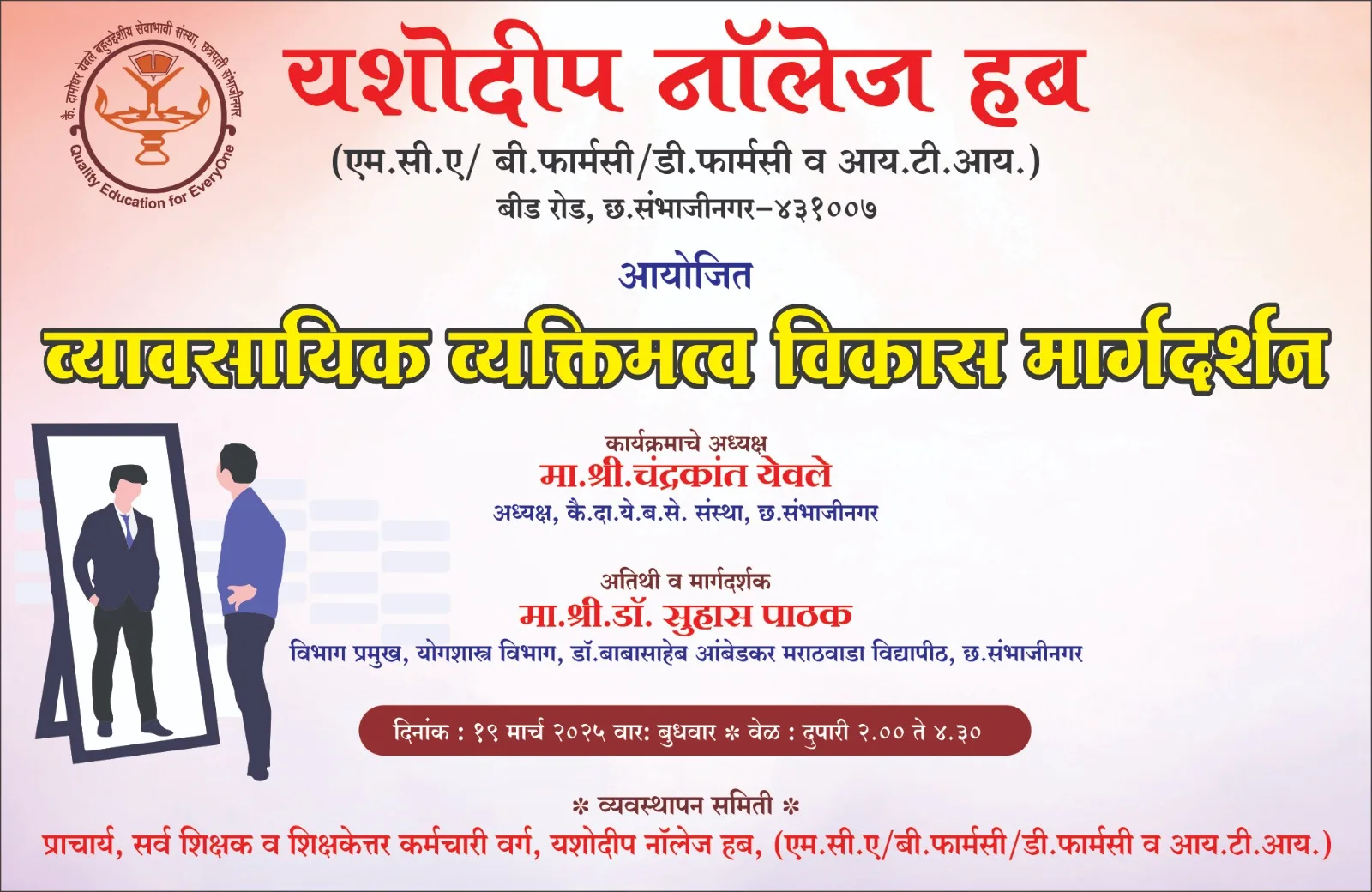
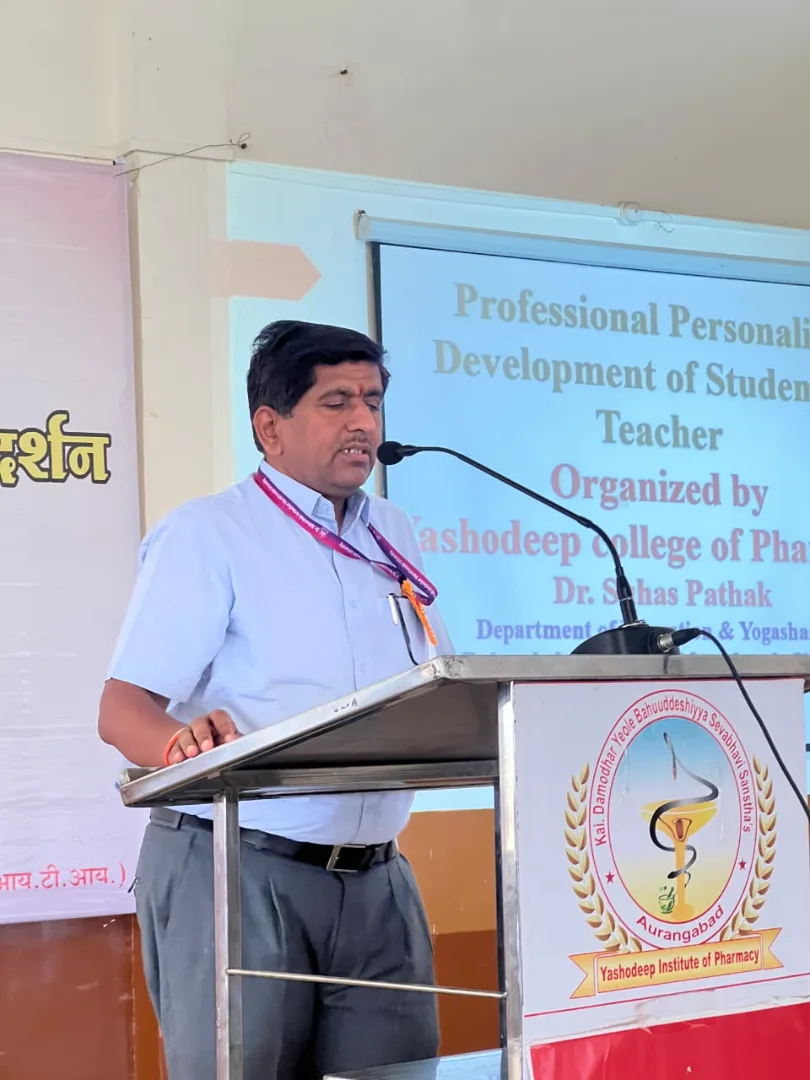
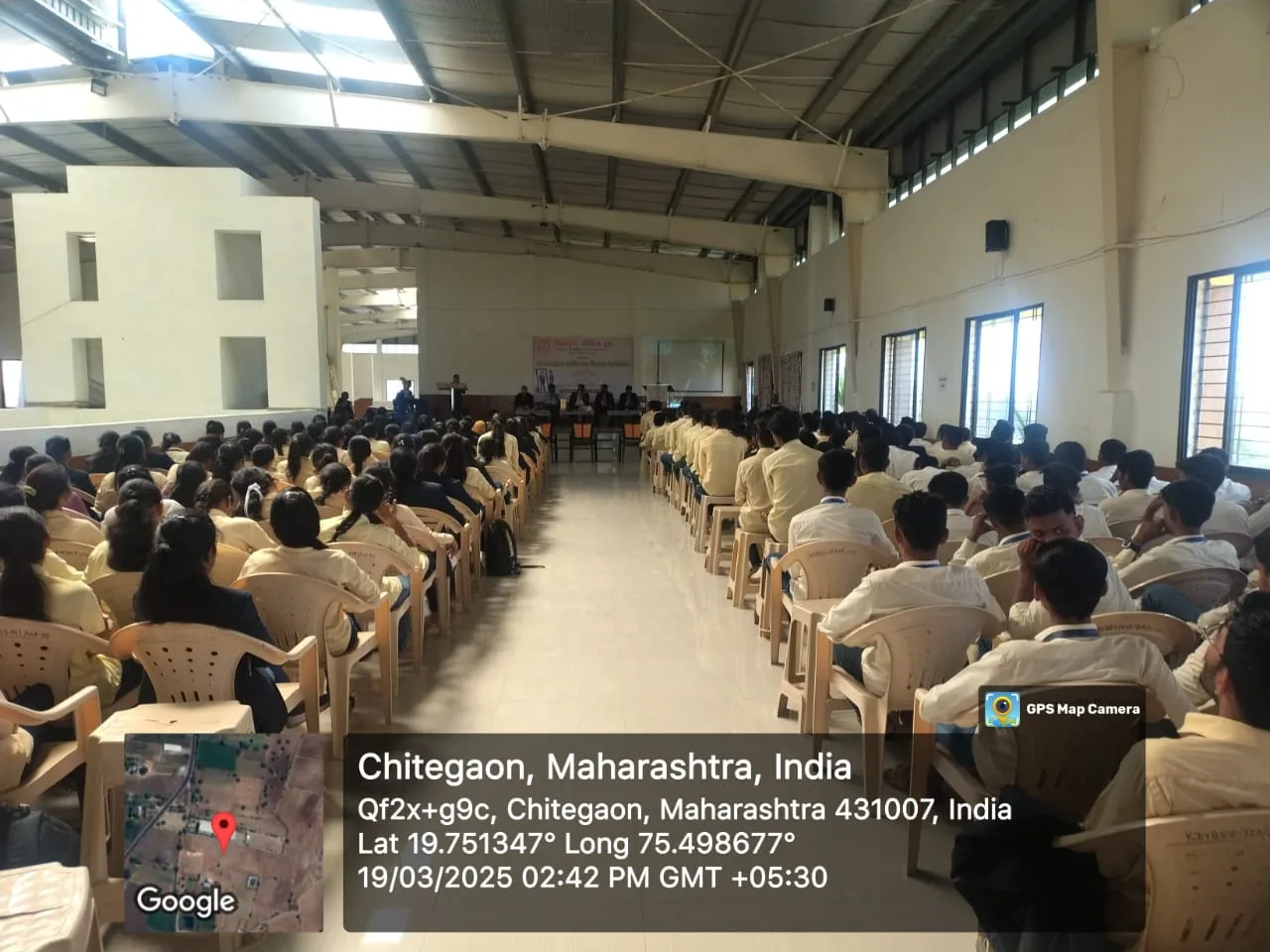
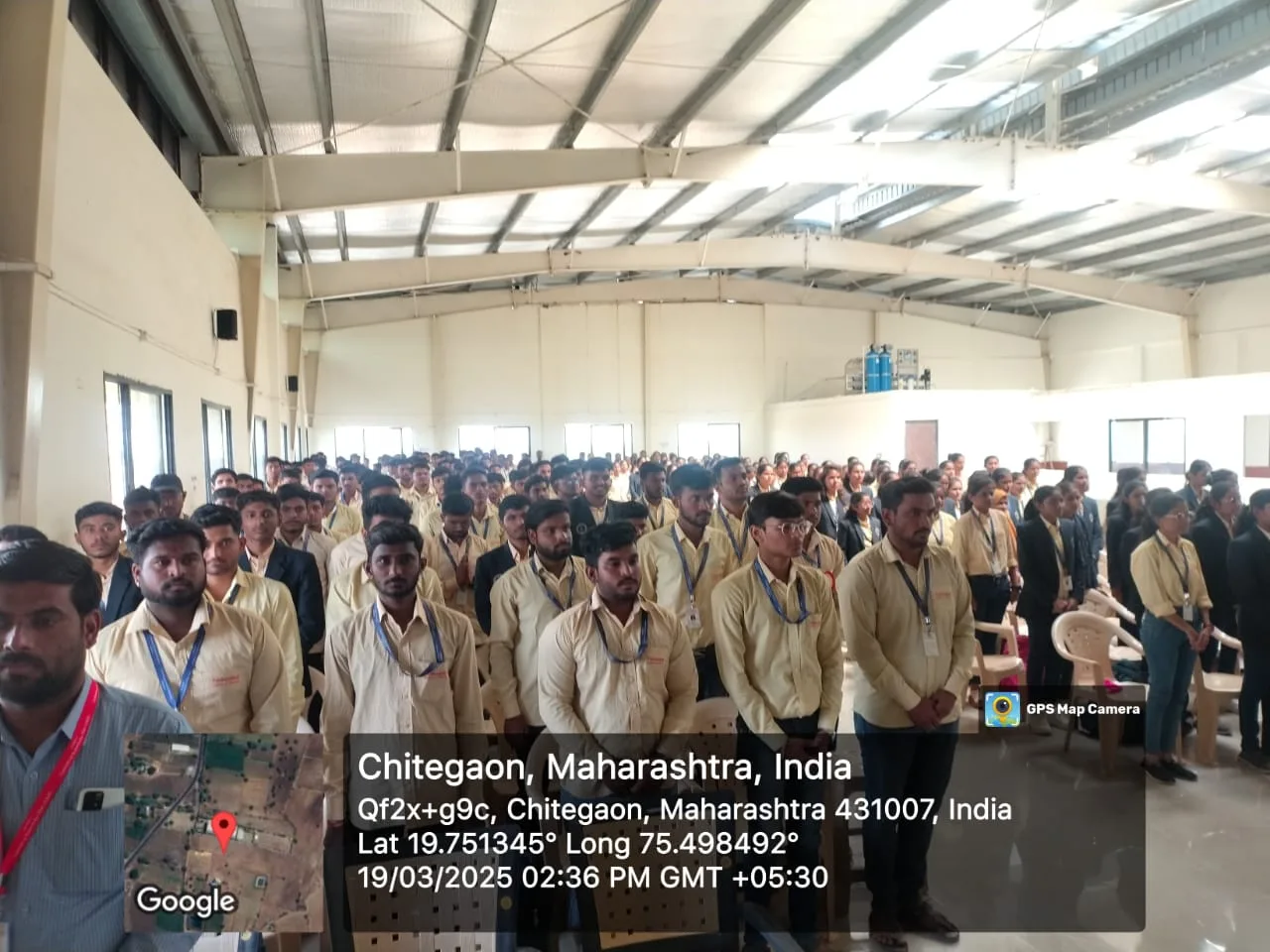
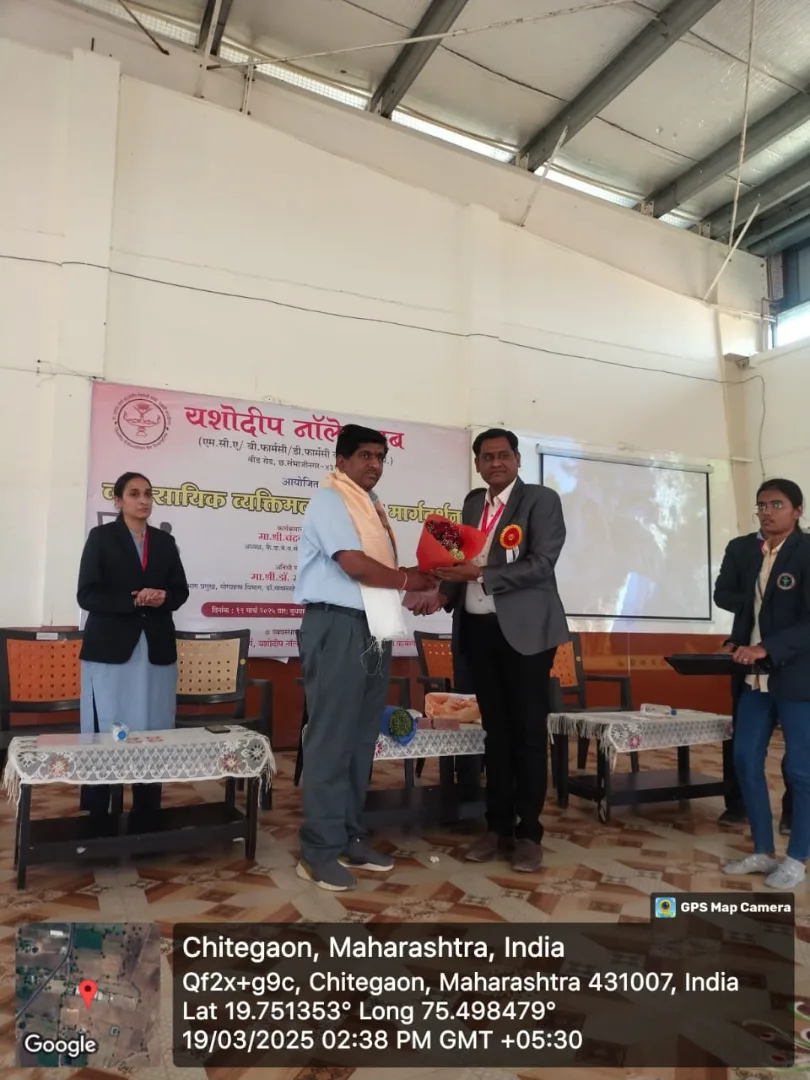
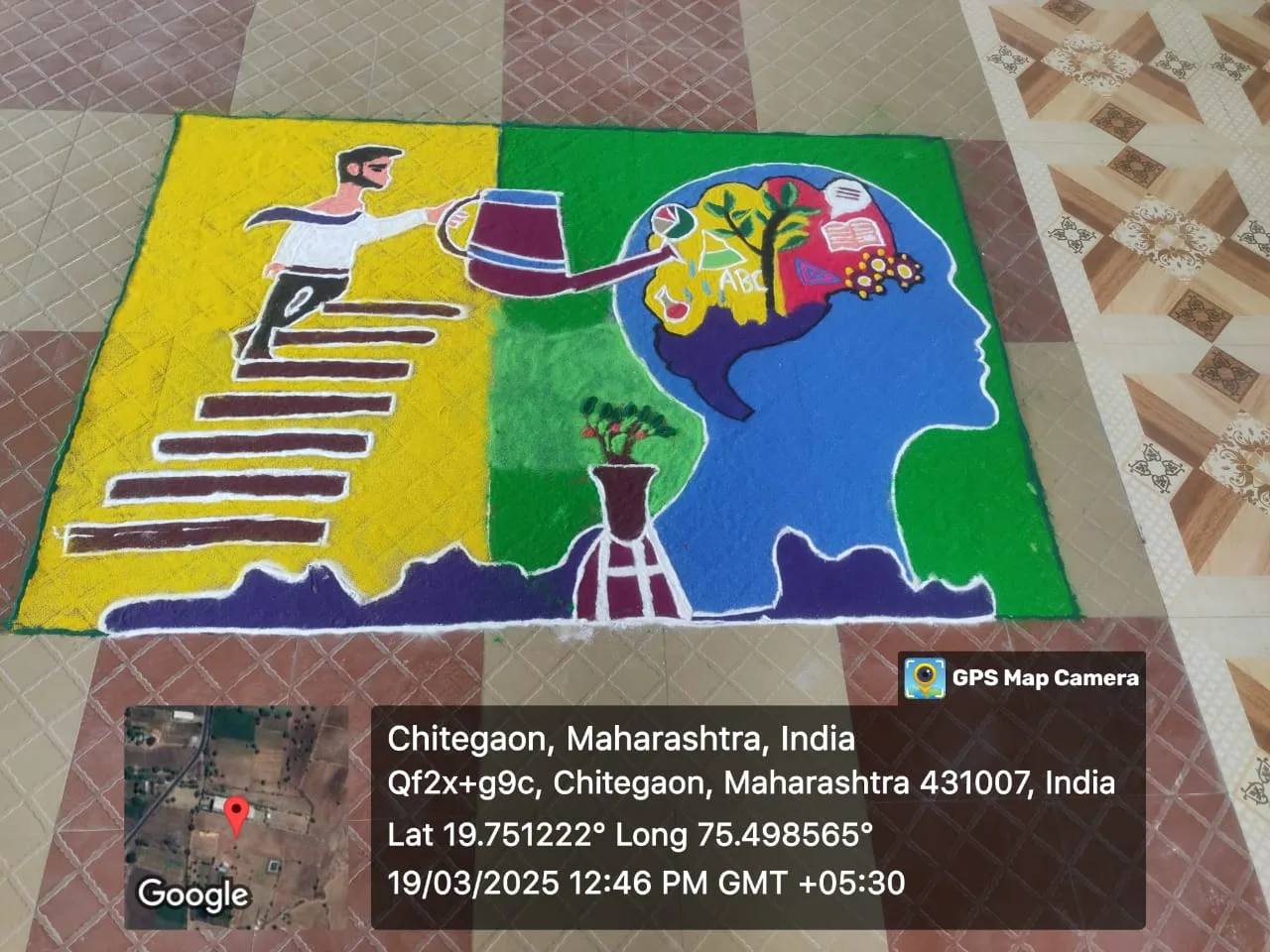
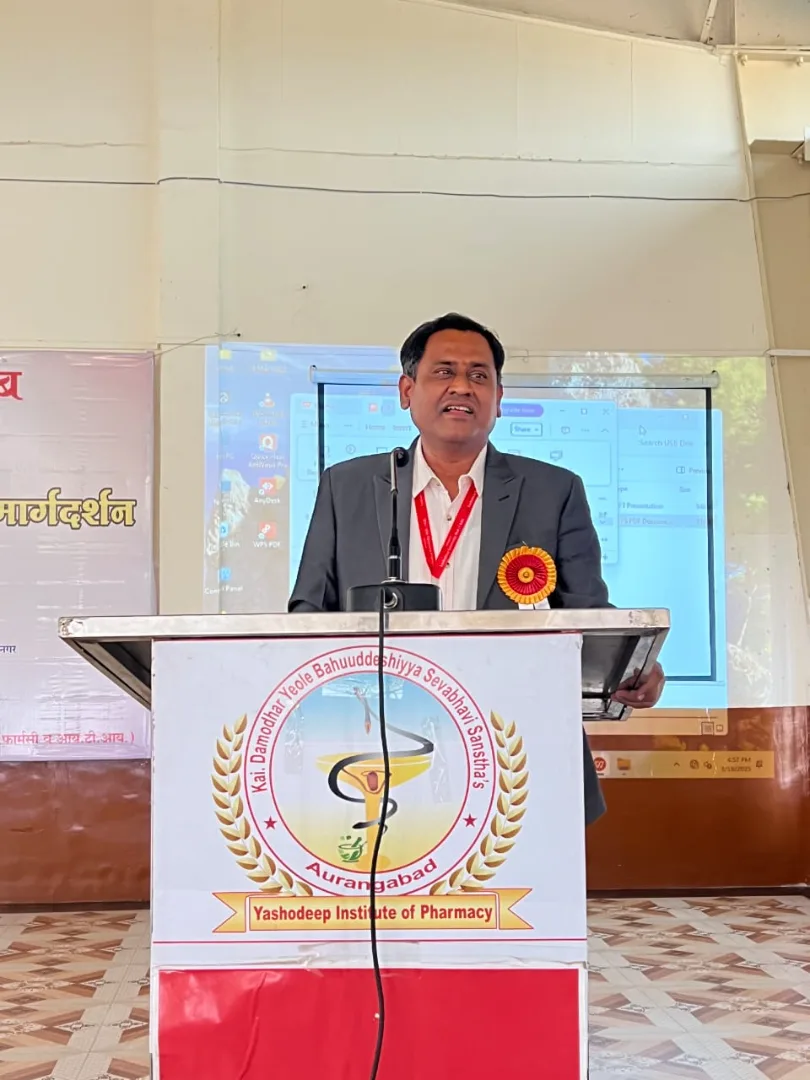
Yashodeep Institute of Pharmacy, Aurangabad, hosted a guest lecture on "Professional Personality Development" by Dr. Suhas S. Pathak, a renowned expert in personality development, on March 19, 2025, at YKH Auditorium. The event was graced by Hon. Chairman Chandrakant Yeole, Respected AO Shyam Kulkarni, Aarti Bangad, and Principals Amanpreet Kaur Dumda and Pravin Malli.
Objectives:
Yashodeep Institute of Pharmacy, Aurangabad, hosted a guest lecture on "Professional Personality Development" by Dr. Suhas S. Pathak, a renowned expert in personality development, on March 19, 2025, at YKH Auditorium. The event was graced by Hon. Chairman Chandrakant Yeole, Respected AO Shyam Kulkarni, Aarti Bangad, and Principals Amanpreet Kaur Dumda and Pravin Malli.
Objectives:
- Educate students on professional personality development
- Provide practical tips on confidence, communication, and adaptability
- Inspire students to focus on personal and professional growth
Dr. Pathak shared valuable insights on professional personality development, emphasizing its role in shaping career trajectories. He discussed building confidence, self-awareness, effective communication, and adaptability, with practical tips and real-life examples.
The session sparked a lively Q&A, allowing students to clarify doubts and gain advice. Students networked with peers and professionals, expanding connections and opportunities.
Key Takeaways:
- Importance of professional personality development in career success
- Building confidence and self-awareness
- Effective communication and interpersonal skills
- Adapting to changing work environments and building resilience
Dr. Pathak's expertise and engaging presentation provided students with practical tools to apply in their academic and professional lives, empowering them to enhance their professional skills and achieve their full potential .
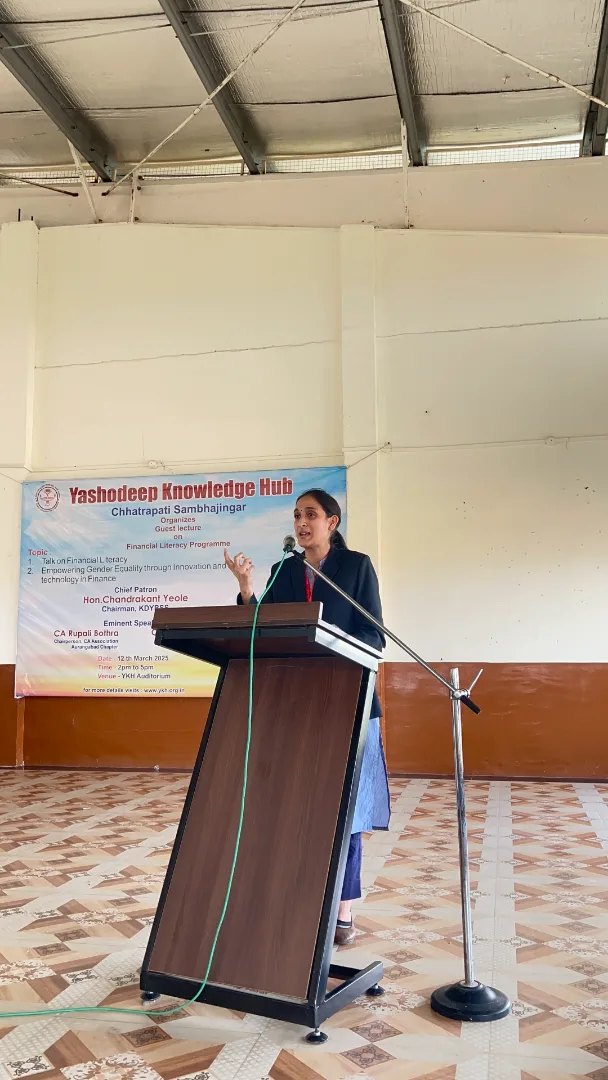
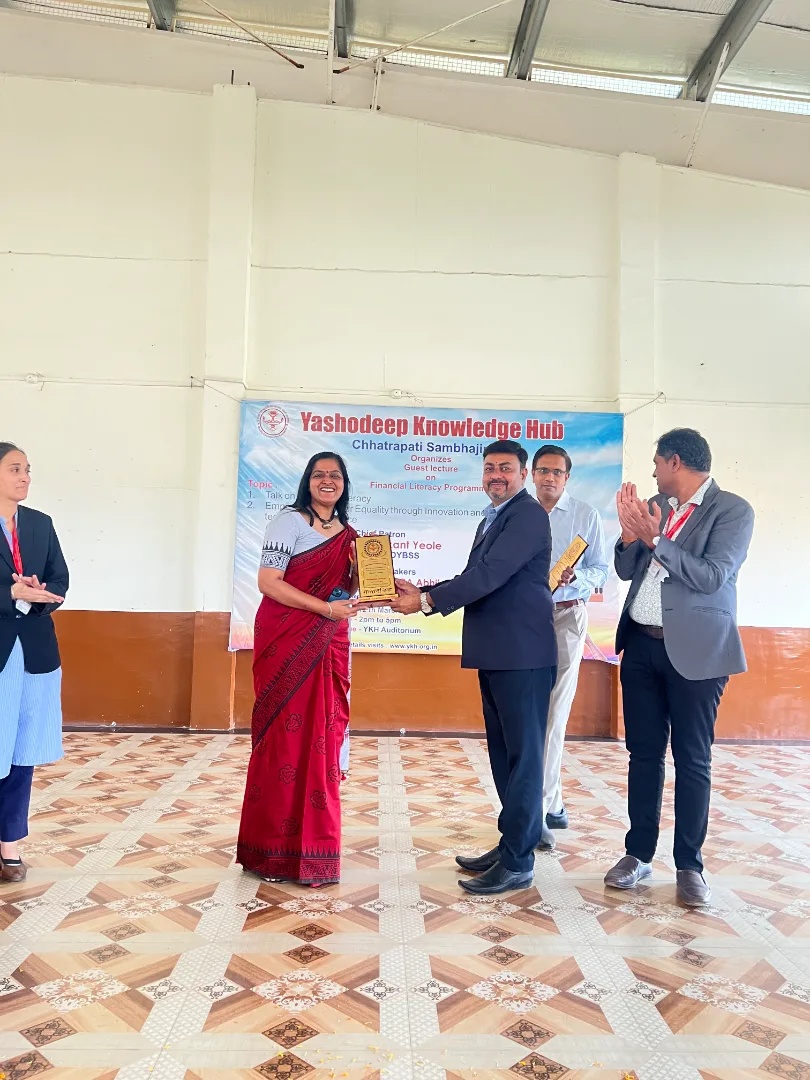
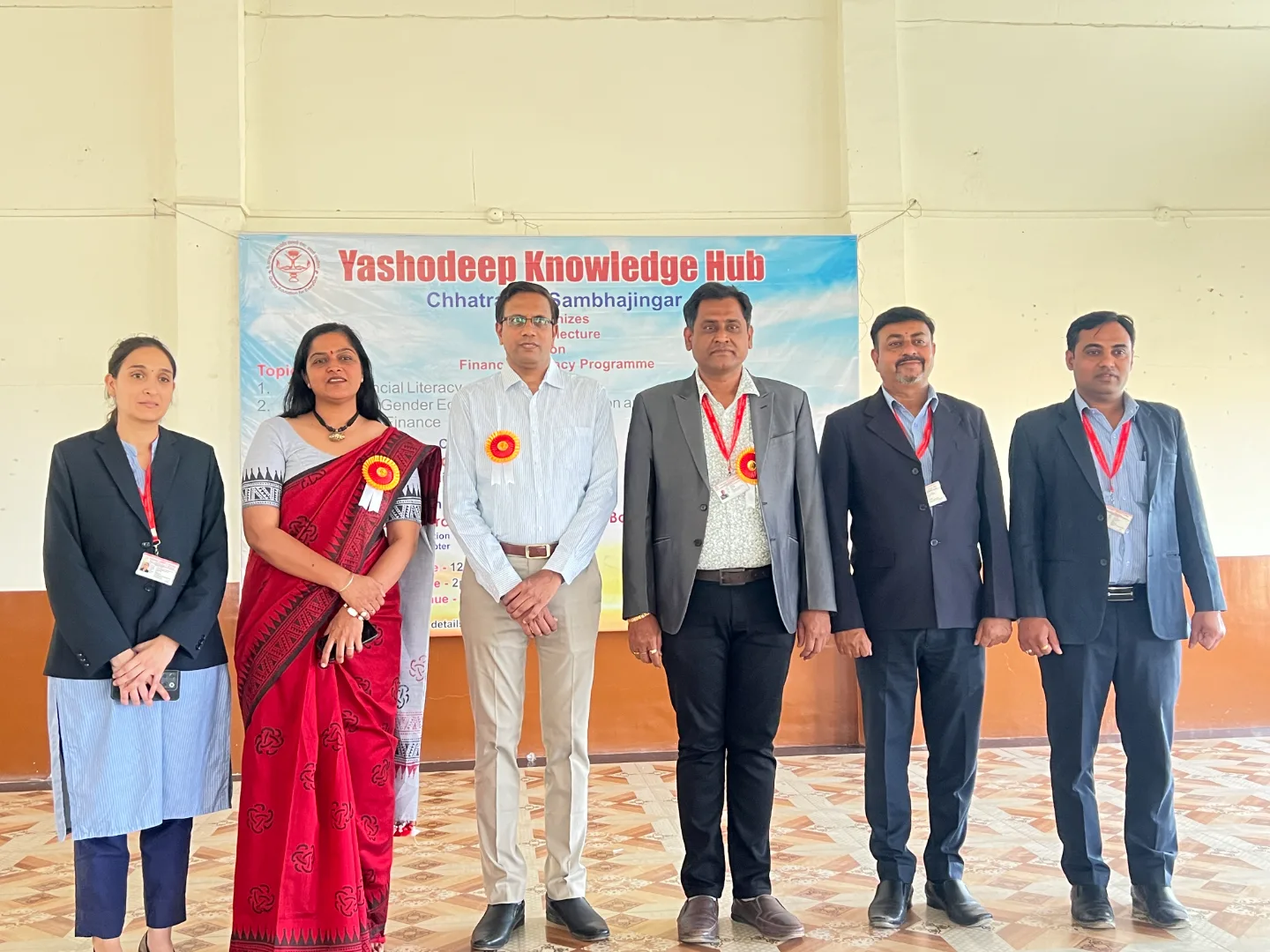
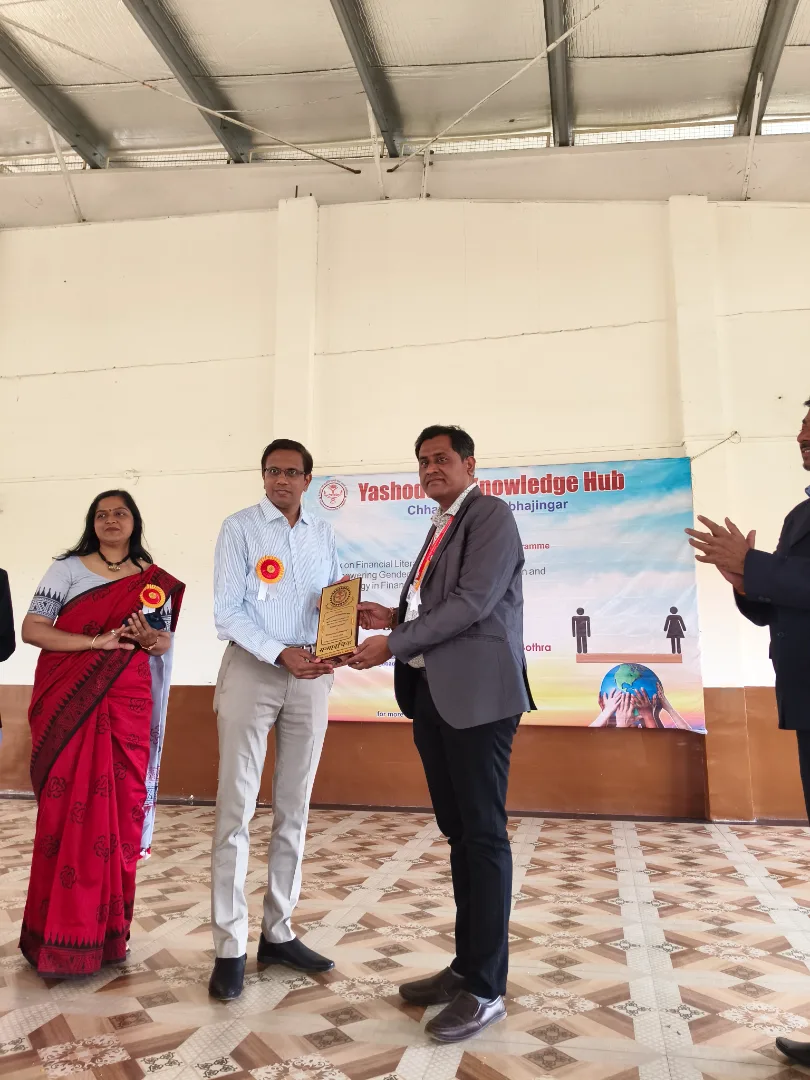
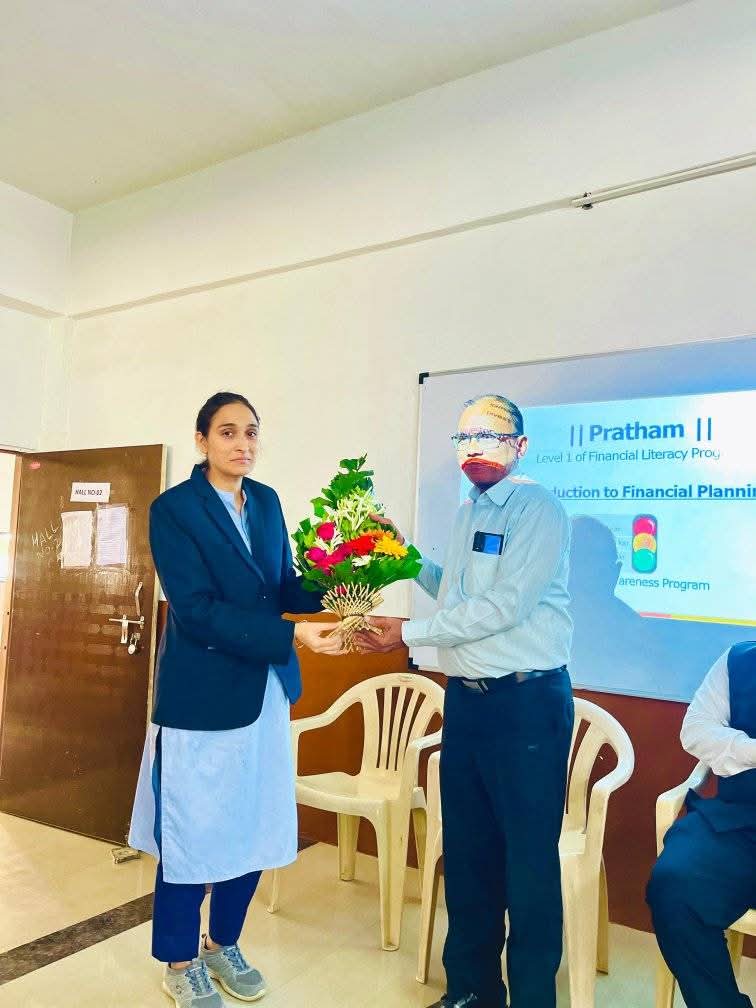
Yashodeep Institute of Pharmacy organized a Financial Literacy Programme on 12th March 2025 at YKH Auditorium. The event was graced by Hon. Chairman Chandrakant Yeole, Respected AO Shyam Kulkarni, Aarti Bangad, Pravin Malli, and Pharmacy Principal Amanpreet Kaur Dumda.
The programme focused on two key topics:
Yashodeep Institute of Pharmacy organized a Financial Literacy Programme on 12th March 2025 at YKH Auditorium. The event was graced by Hon. Chairman Chandrakant Yeole, Respected AO Shyam Kulkarni, Aarti Bangad, Pravin Malli, and Pharmacy Principal Amanpreet Kaur Dumda.
The programme focused on two key topics:
- Empowering Gender Equality through Innovative Finance and Technology in Finance
- A Talk on Financial Literacy
Speakers:
- Mrs. Rupali Bothra, Expert in Financial Services
- Mr. Abhijeet Bothra, Finance Expert
Mrs. Rupali Bothra discussed how technology can empower women economically, bridging the gender gap in finance. Mr. Abhijeet Bothra elaborated on financial knowledge, money management, investment strategies, and financial products.
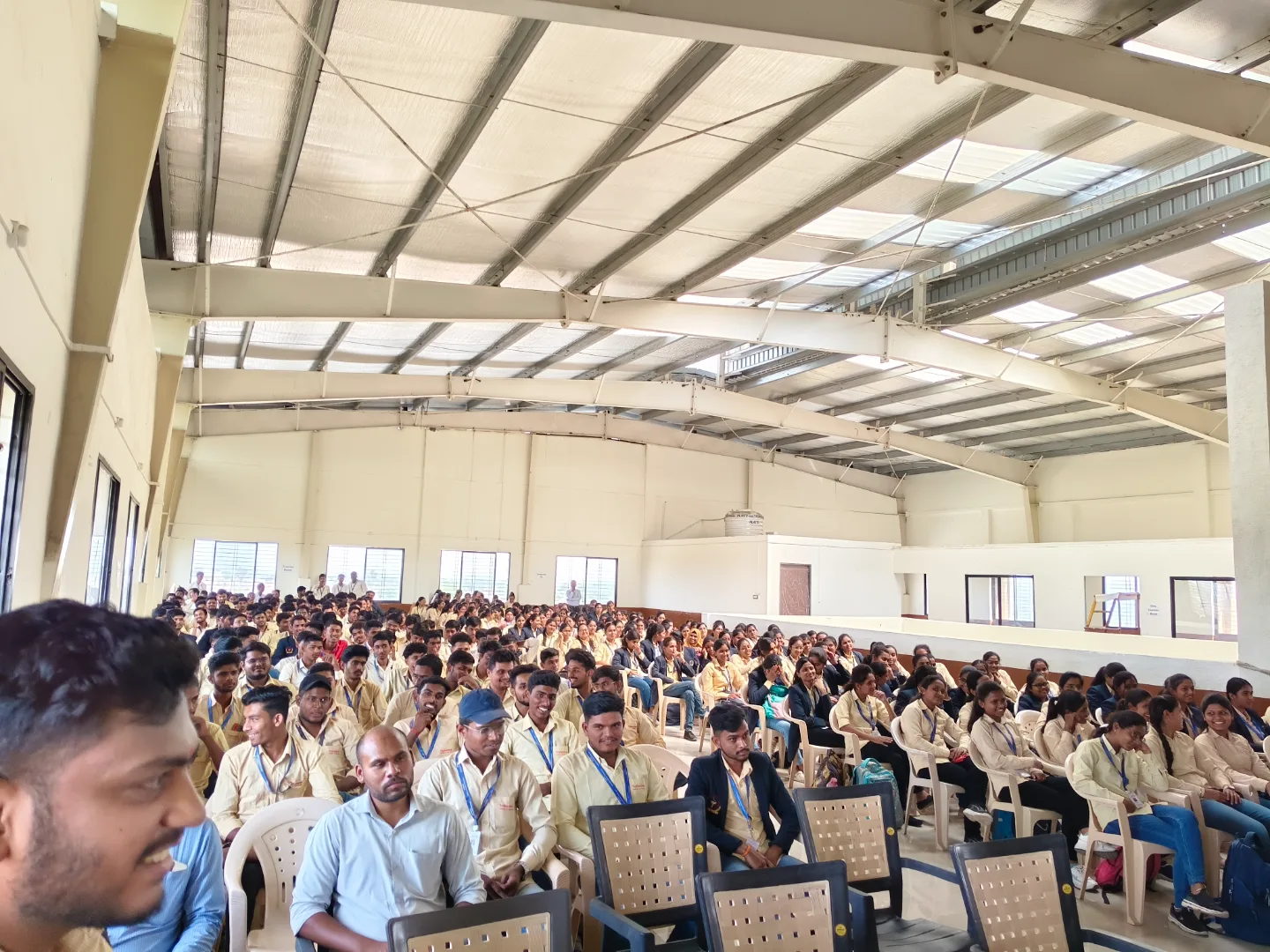
The event saw active participation from students and faculty, with opportunities for Q&A and discussions on personal finance and career growth. The programme concluded with a vote of thanks, emphasizing financial literacy and women's empowerment through finance and technology .
The Financial Literacy Programme was a success, providing students with a deeper understanding of financial concepts and the importance of empowering women through finance and technology.
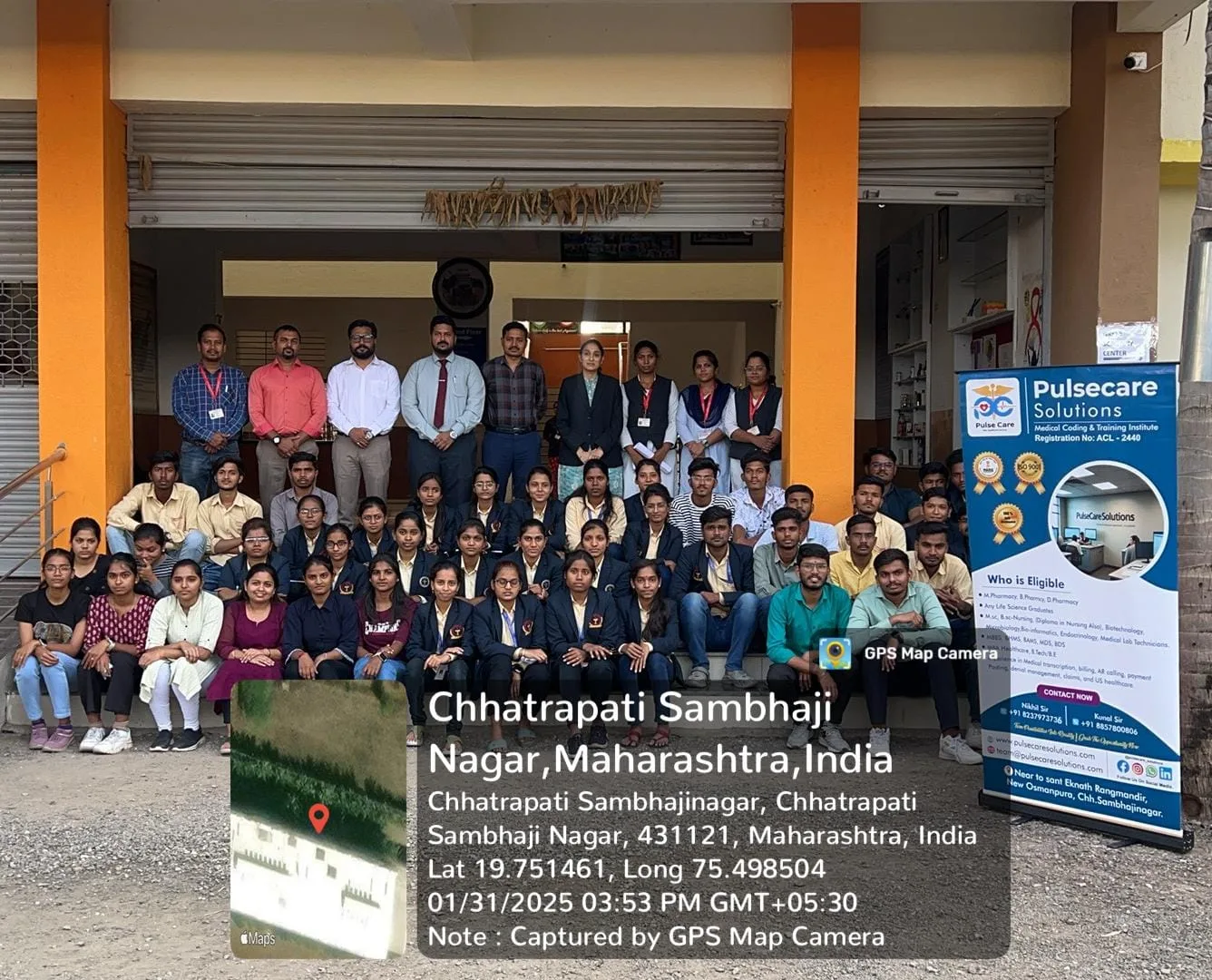
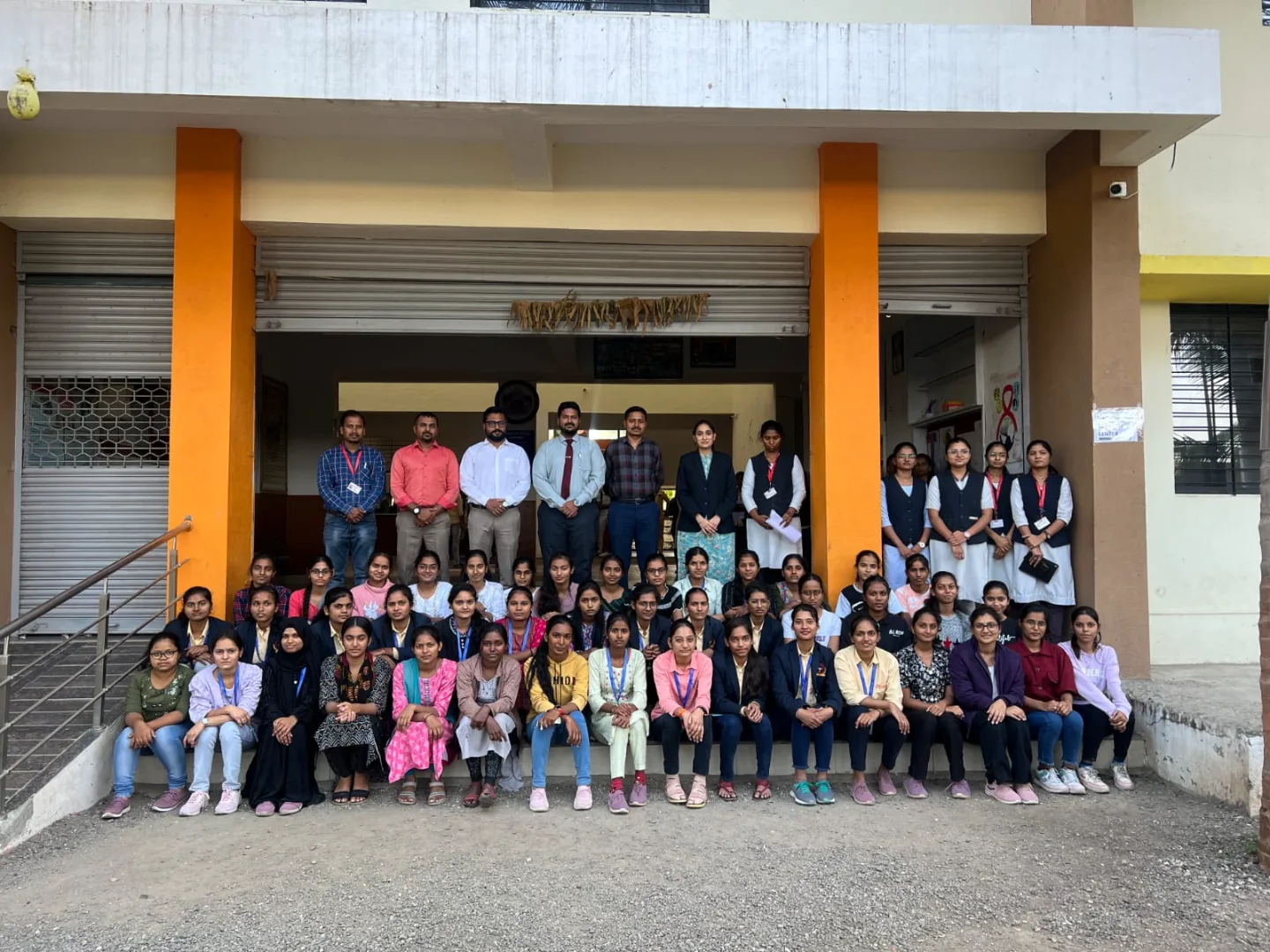
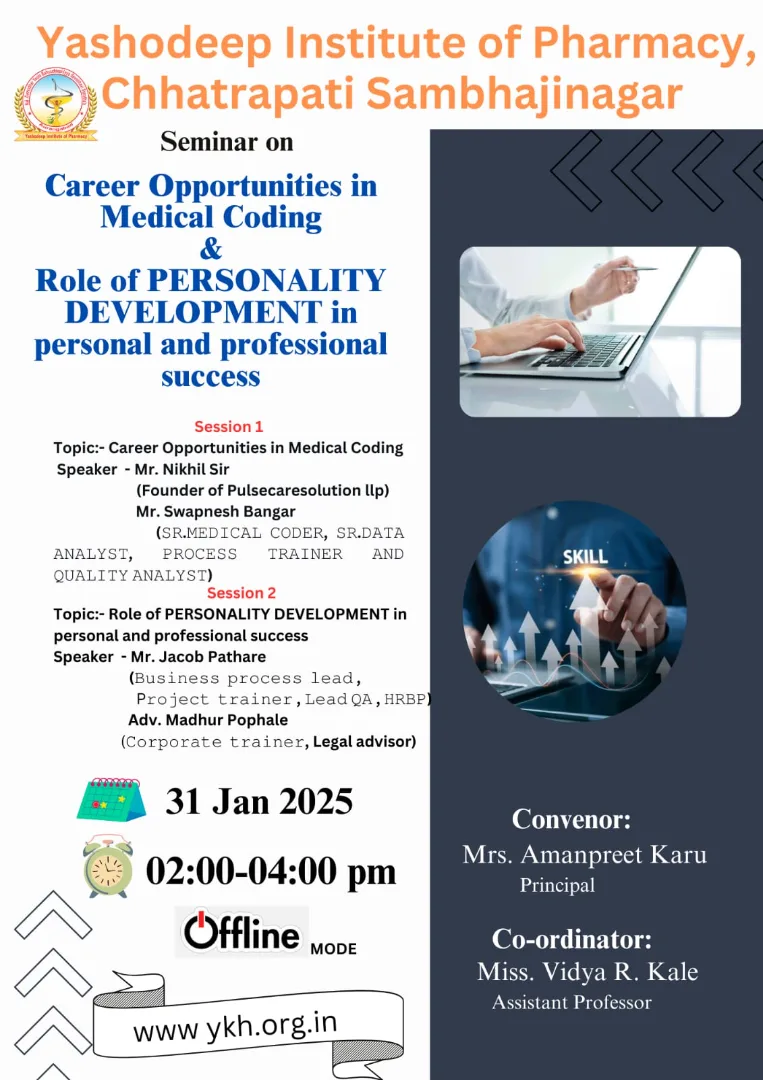
A seminar was arranged with Pulsecaresolution LLP, scheduled on 31 January 2025, from 2:00-4:00 pm, in offline mode.
A seminar was arranged with Pulsecaresolution LLP, scheduled on 31 January 2025, from 2:00-4:00 pm, in offline mode.
Introduction:
The healthcare industry is rapidly evolving, and with the increasing demand for accurate and efficient healthcare services, medical coding has emerged as a vital profession. Yashodeep Institute of Pharmacy, Chh. Sambhaji Nagar, organized a seminar on "Career Opportunities in Medical Coding and Role of Personality Development in Personal and Professional Success" on 31 January 2025. The seminar aimed to create awareness about the career opportunities in medical coding and the importance of personality development in achieving personal and professional success.
Objectives:
1. Understand personality development and its importance in personal and professional life.
2. Identify key personality traits for success and explore career opportunities in medical coding.
3. Develop self-awareness, emotional intelligence, and learn about required skills and qualifications for medical coding.
4. Acquire effective communication and interpersonal skills, and stay updated on industry trends and developments in medical coding.
5. Create a personal development plan and a career development plan in medical coding.
Speakers:
1. Mr. Nihil Sir (Founder of Pulsecaresolutions LLP)
2. Mr. Swapnesh Bangar (Senior Medical Coder, Senior Data Analyst, Process Trainer, and Quality Analyst, Pulsecaresolutions)
3. Mr. Jacob Pathare (Business Process Lead, Project Trainer, Lead QA, HRBP)
4. Adv. Madhur Popale (Corporate Trainer, Legal Advisor)
Seminar Highlights:
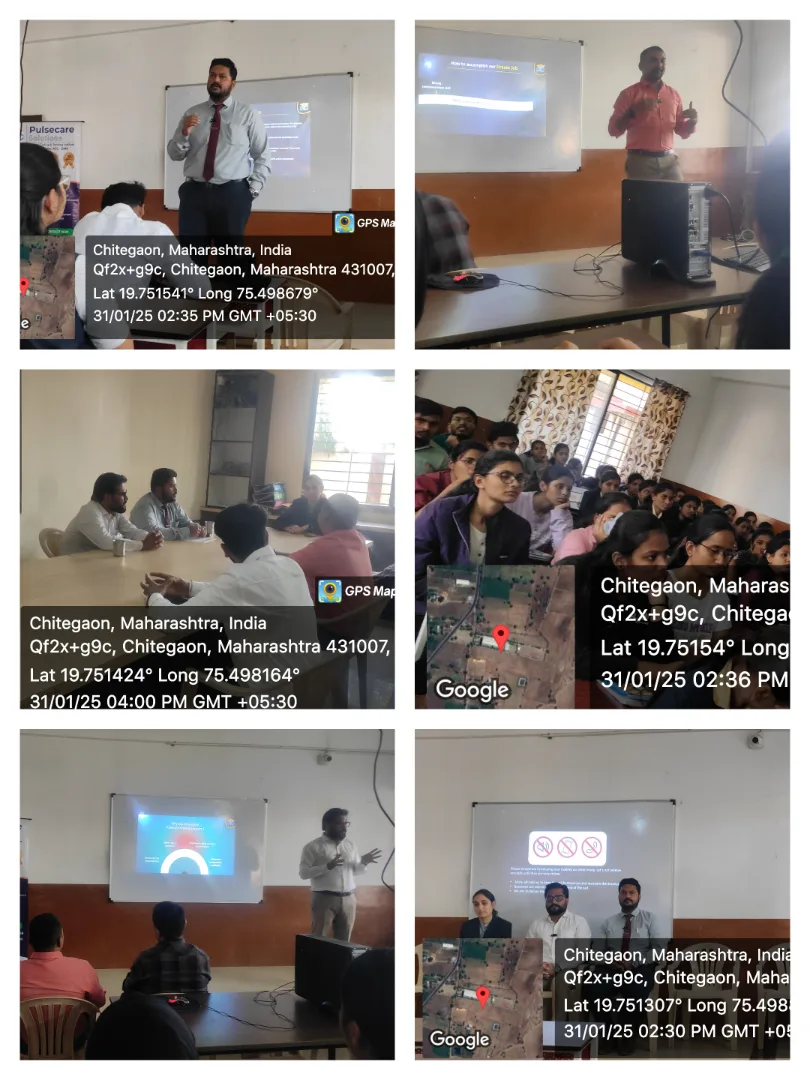
1. Career Opportunities in Medical Coding: Mr. Nihil Sir and Mr. Swapnesh Bangar highlighted the growing demand for medical coders in the healthcare industry. They discussed various career paths in medical coding, including certified medical coder, clinical coding specialist, and medical coding auditor. The speakers introduced medical coding courses and certification programs to equip students with necessary skills and offered internship opportunities for hands-on experience.
2. Role of Personality Development: Mr. Jacob Pathare and Adv. Madhur Popale emphasized the importance of personality development in achieving personal and professional success. They discussed key aspects of personality development, including communication skills, emotional intelligence, and problem-solving skills, focusing on challenges and opportunities in medical coding.
Conclusion:
The seminar provided valuable insights into career opportunities in medical coding and the importance of personality development in achieving personal and professional success. The event was well-attended by students, faculty members, and industry professionals.
Vote of Thanks:
The seminar concluded with a vote of thanks to the keynote speakers and participants.
Date: January 24, 2025
Time: 11:30 AM - 1:00 PM
Date: January 24, 2025
Time: 11:30 AM - 1:00 PM
Platform: Offline
Speakers: Dr. Anil Jadhav
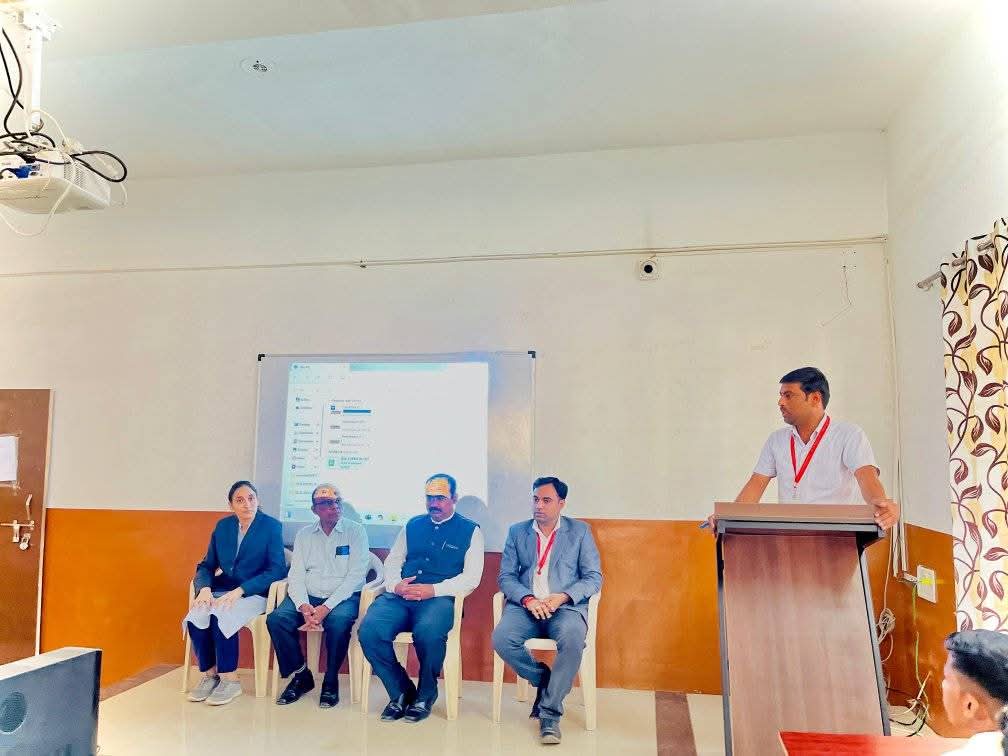
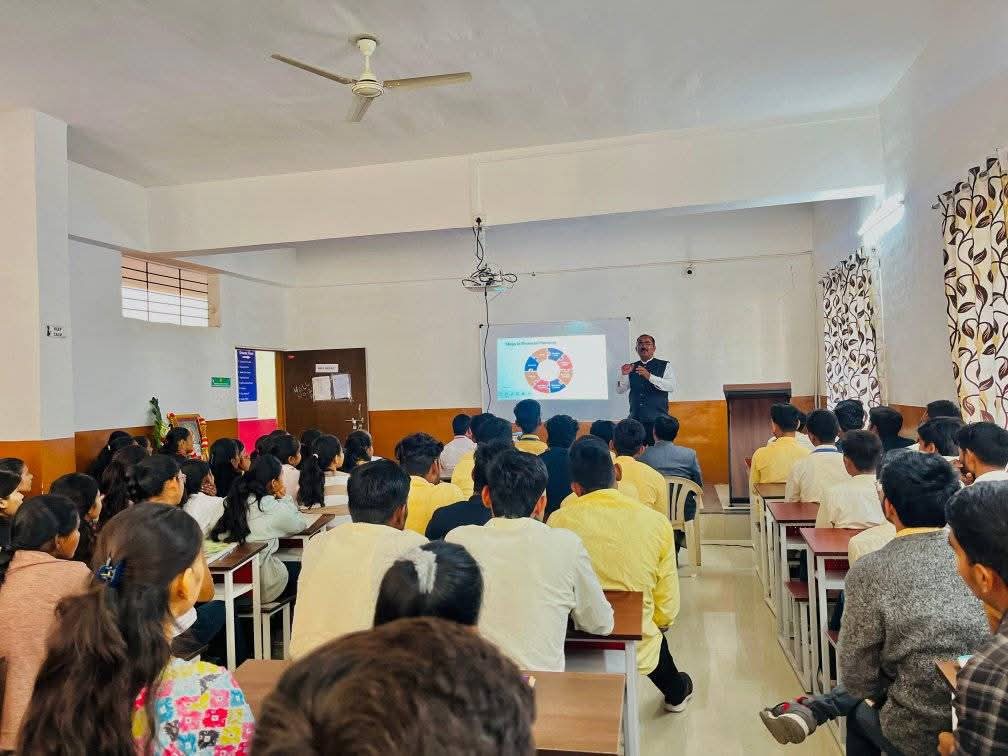
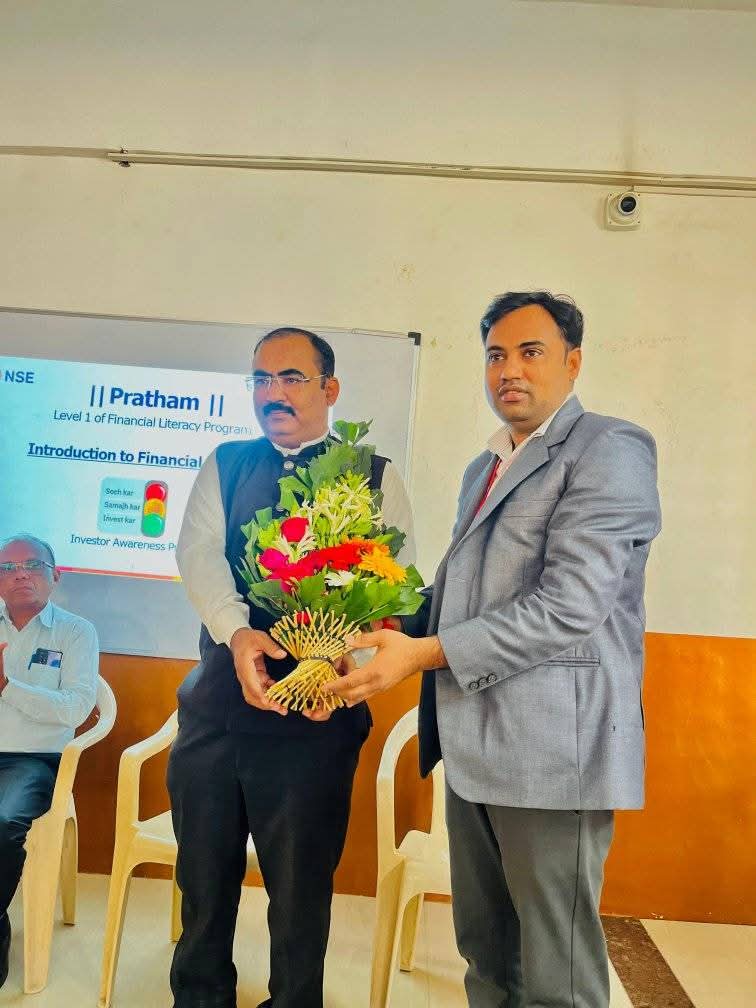
Under the Ministry of Labour & Employment, Government of India, and guidance by National Career Service, a campus career service event was organized at Yashodeep Institute of Pharmacy on January 24, 2025.
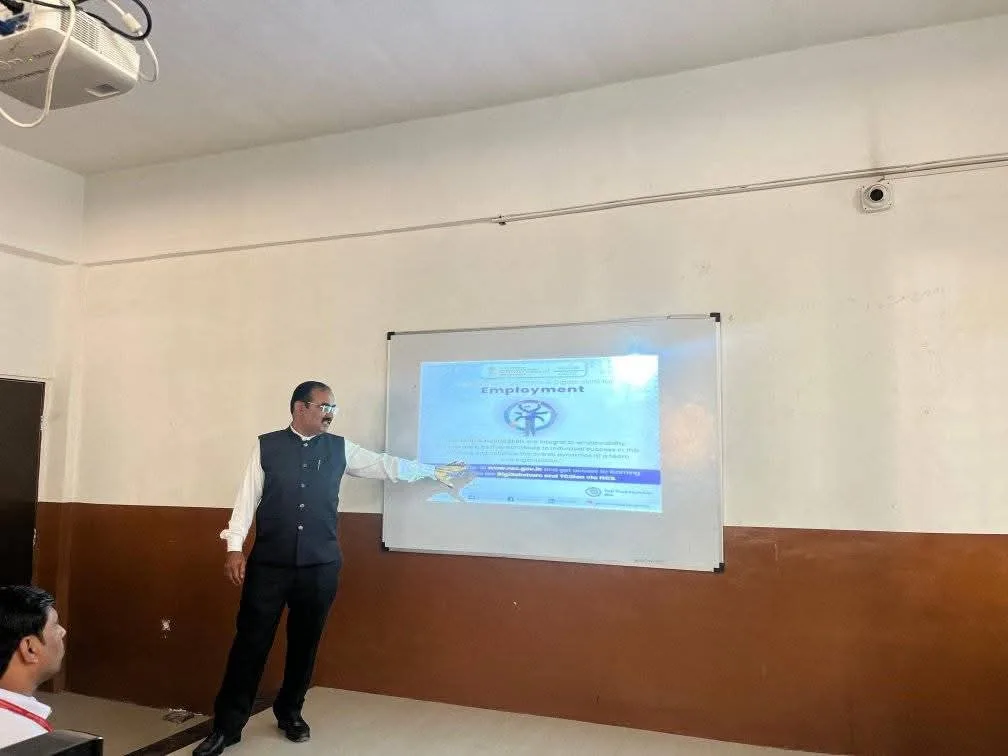
Dr. Anil Jadhav, a SEBI smart trainer, emphasized the importance of goal-based financial planning and investing for a secure future. He advised avoiding extra expenses and focusing on investments. He highlighted the benefits of financial investments, stating, "If you have financial investment, your future is safe."
The event was held under the guidance of Chairman Hon. Chandrakant YeOle, Administrative Officer Mr. Shyam Kulkarni, and in the presence of Pharmacy Principal Mrs. Amanpreet Kaur, I.T.I Principal Mr. Praveen Mali, and Assistant Administrative Officer Mrs. Aarti Bangad.
Dr. Anil Jadhav provided informative insights on financial planning, mutual funds, and risk-including funds. He also discussed government schemes and apps offering educational courses and job opportunities.
During the Q&A session, experts addressed students' queries and clarified doubts. Dr. Jadhav highlighted mutual funds as a best investment option, citing benefits like professional management, transparency, and liquidity, all controlled by the Security Exchange Board of India.
The event concluded with a vote of thanks by Mr. Dnyandev Thore.
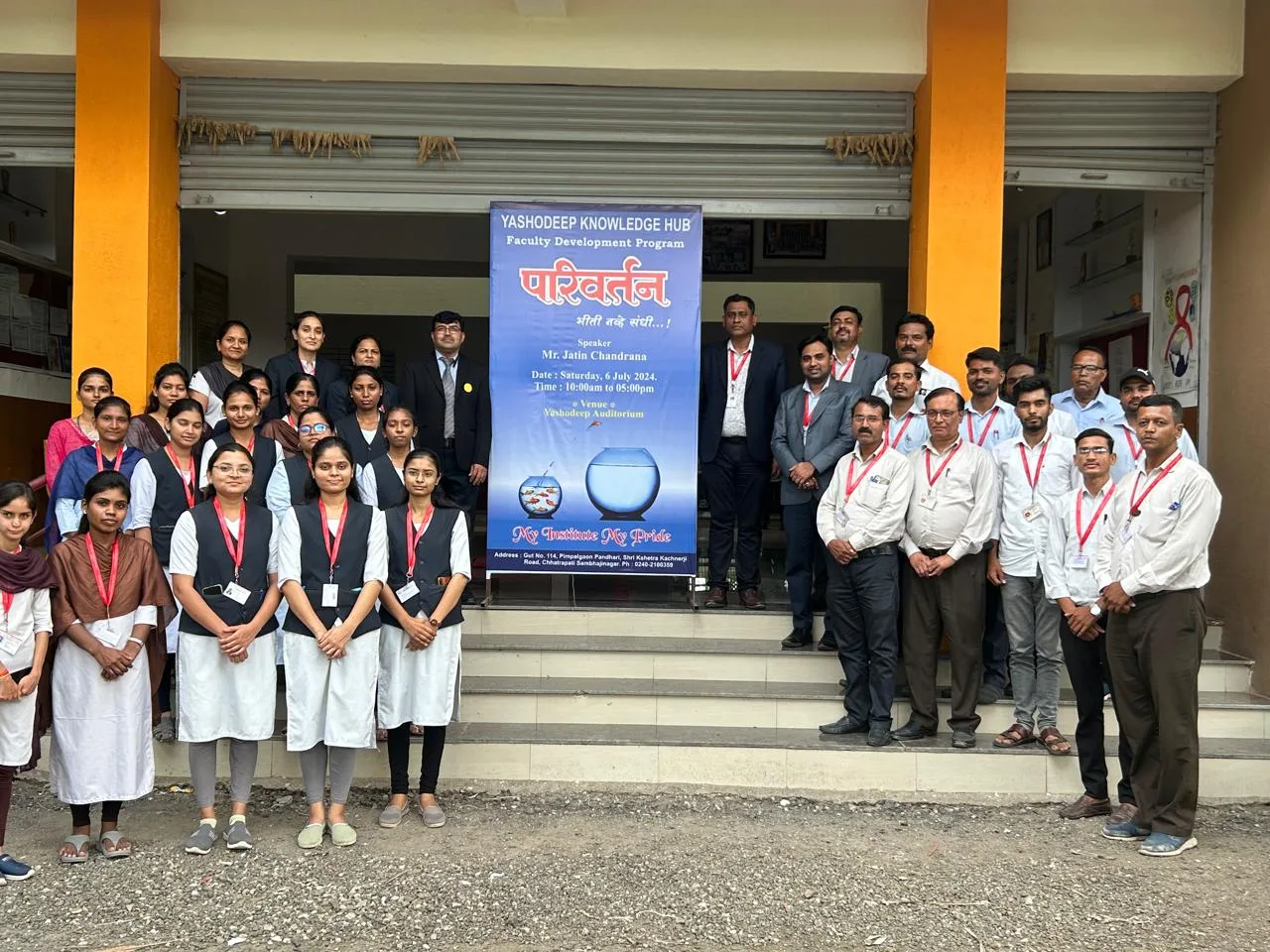
Date: 06 July 2024
Venue: Yashodeep Institute of Pharmacy, Yashodeep Knowledge Hub
Date: 06 July 2024
Venue: Yashodeep Institute of Pharmacy, Yashodeep Knowledge Hub
Resource Person: Mr. Jatin Chandrana
The Faculty Development Programme (FDP-2024) was successfully conducted on 06 July 2024. The programme was inaugurated in the presence of Hon. Chairman Mr. Yeole Sir, Respected Shyam Kulkarni Sir, and Mr. Jatin Chandrana.
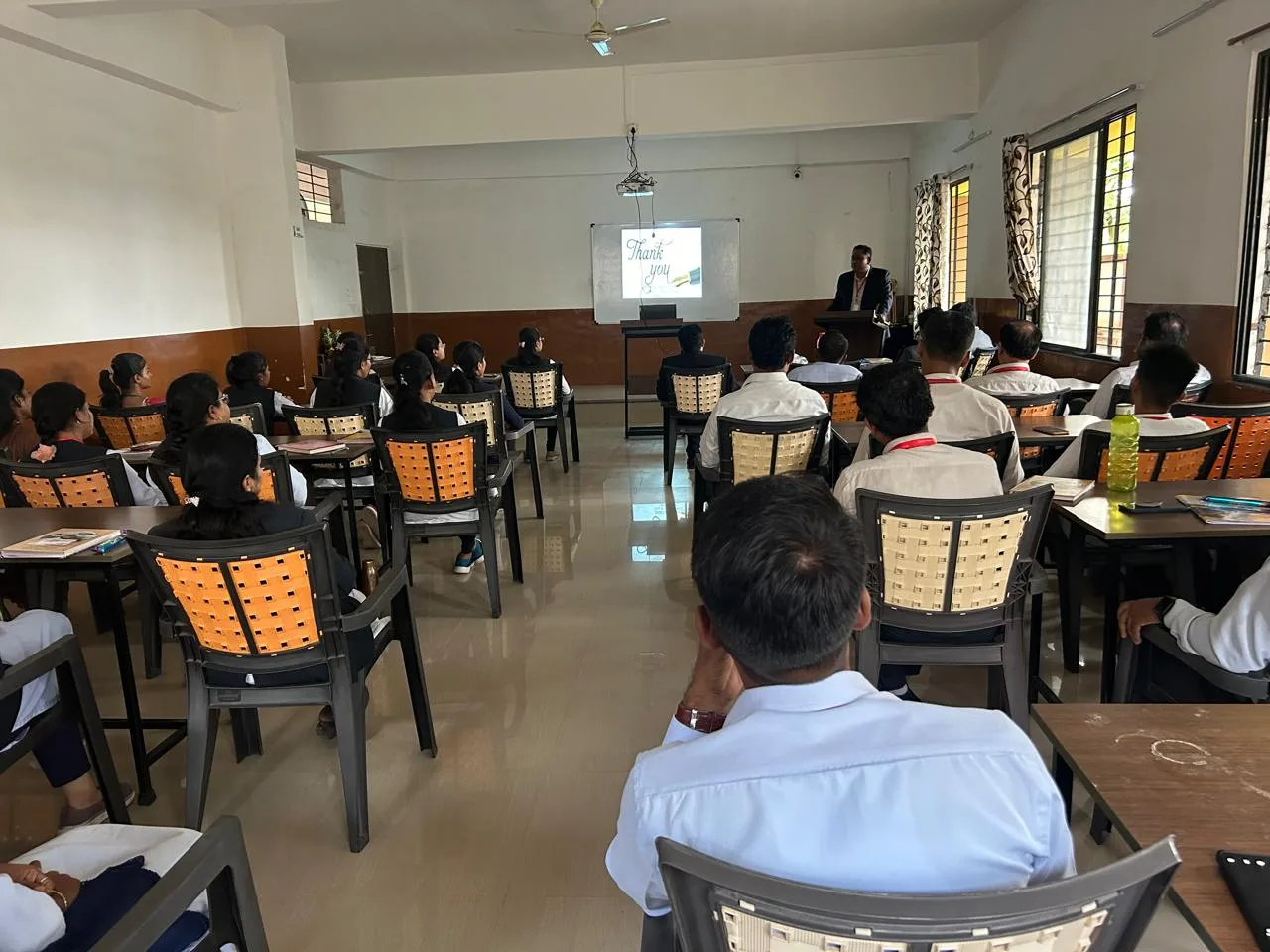
Morning Session:
Mr. Jatin Chandrana discussed the concept of education, learning, and teaching, highlighting the importance of change and domains of learning (interactive, communication, and cognitive). He shared his knowledge through a power-point presentation, examples, and quizzes, engaging participants and creating interest.
Afternoon Session:
Mr. Jatin Chandrana emphasized the importance of communication, mindsets, role and responsibilities, and information process in teaching, sharing motivational stories. He focused on how teachers can develop students' subject knowledge, mind, and personality, and provided ideas on creating interest among students and fulfilling institute missions.
Key Takeaways:
- Importance of change and adaptability in teaching
- Domains of learning: interactive, communication, and cognitive
- Useful skills for teachers:
i) Patience
ii) Adaptability
iii) Imagination
iv) Teamwork
v) Risk Taking
vi) Constant Learning
vii) Communication
viii) Mentoring
ix) Leadership
The session concluded with a vote of thanks by Ms. Kale and a group photo. The programme was a success, providing participants with valuable insights and skills to enhance their teaching practices.